
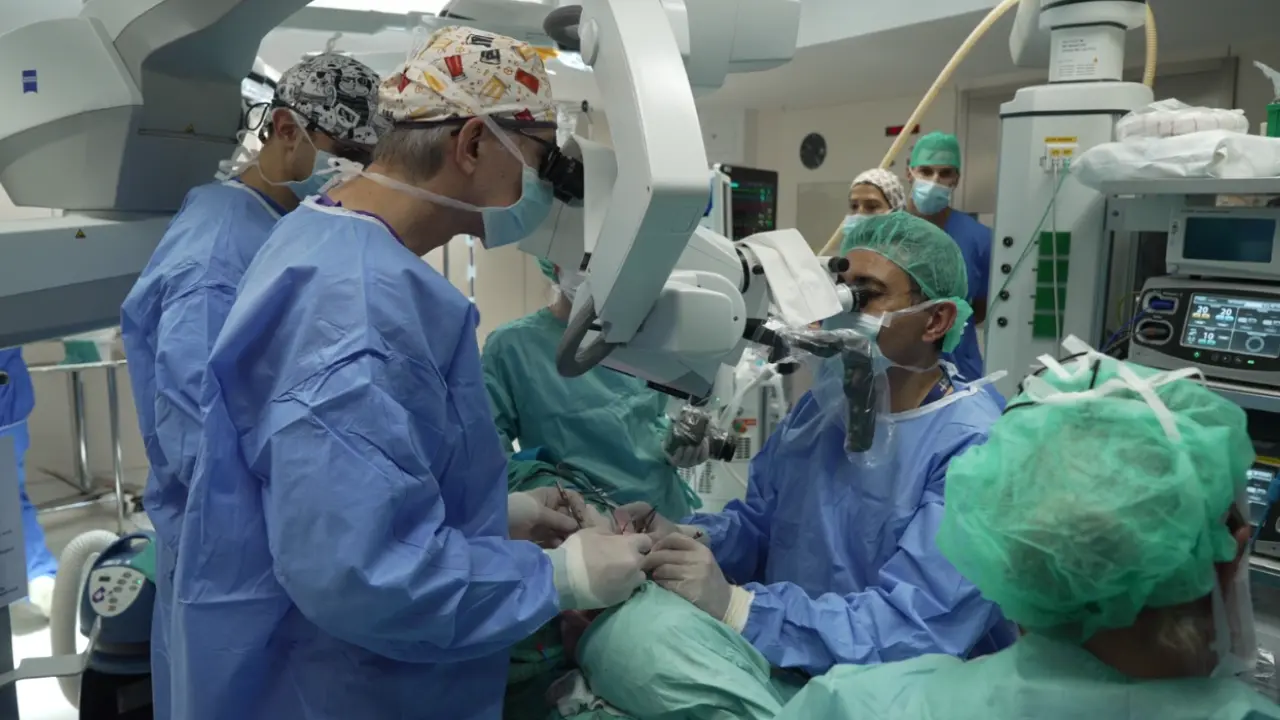

Spain has successfully carried out its first-ever kidney transplant between two people living with HIV.
The moment marks a major medical milestone just a year after the country lifted a decades-old legal ban on the procedure.
Doctors at Barcelona’s Vall d’Hebron Hospital confirmed on Friday that both the donor and recipient, who have chosen to remain anonymous, are recovering well following the operation.
The transplant is the first of its kind in Spain after legislation introduced in 2025 repealed a 1987 law that prohibited organ donations between people living with HIV.
Medical teams said neither patient has experienced complications from combining anti-rejection drugs, which are routinely prescribed after a transplant, with their antiretroviral HIV treatment.
Until last year, people living with HIV in Spain were unable to donate organs to others with the virus, despite HIV-positive patients having been eligible to receive organs from HIV-negative donors since 2005, provided they met strict medical criteria, including maintaining an undetectable viral load.
According to Spain’s National Transplant Organisation (ONT), only six European countries explicitly allow organ transplants between HIV-positive donors and recipients.
Since 2011, around 70 kidney transplants have been performed between HIV-positive patients across Europe, almost all involving deceased donors in the UK, France and Italy. Only two previous living-donor cases have been recorded on the continent.
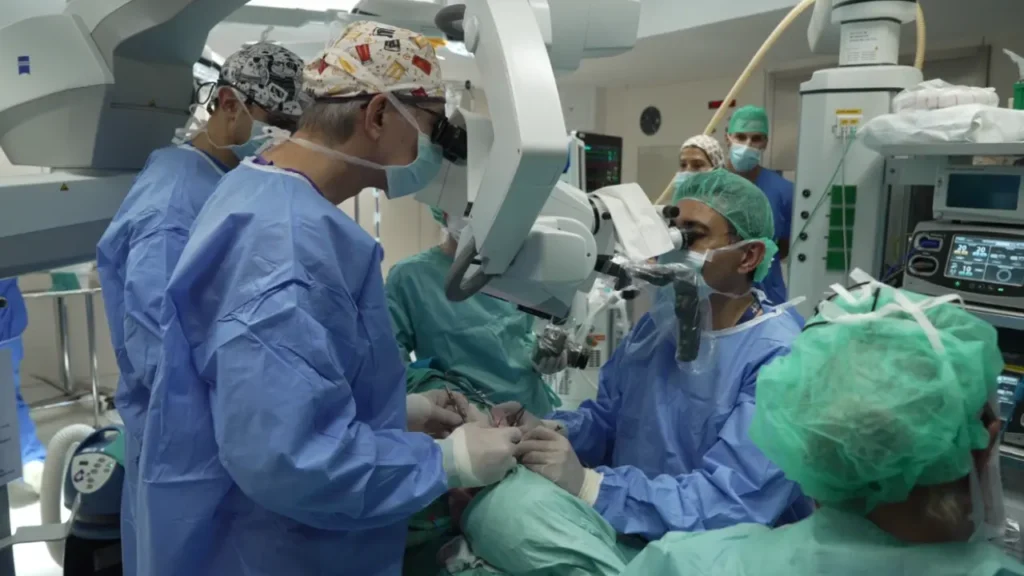
Beatriz Dominguez-Gil, director of the ONT, said the legal change finally allows people living with HIV ‘to exercise their right to become organ donors if they wish’.
Around 50 people living with HIV are currently waiting for an organ transplant in Spain each year, including around 30 awaiting a kidney, 15 a liver and five needing a heart, lung or pancreas.
Albert Sandiumenge, Vall d’Hebron’s coordinator for organ donation and transplantation programmes, said allowing HIV-positive living donations could also help reduce transplant waiting lists while expanding opportunities for patients previously excluded by the law.