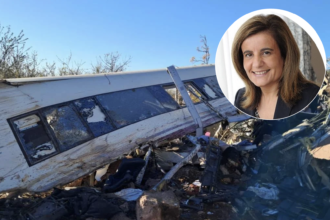
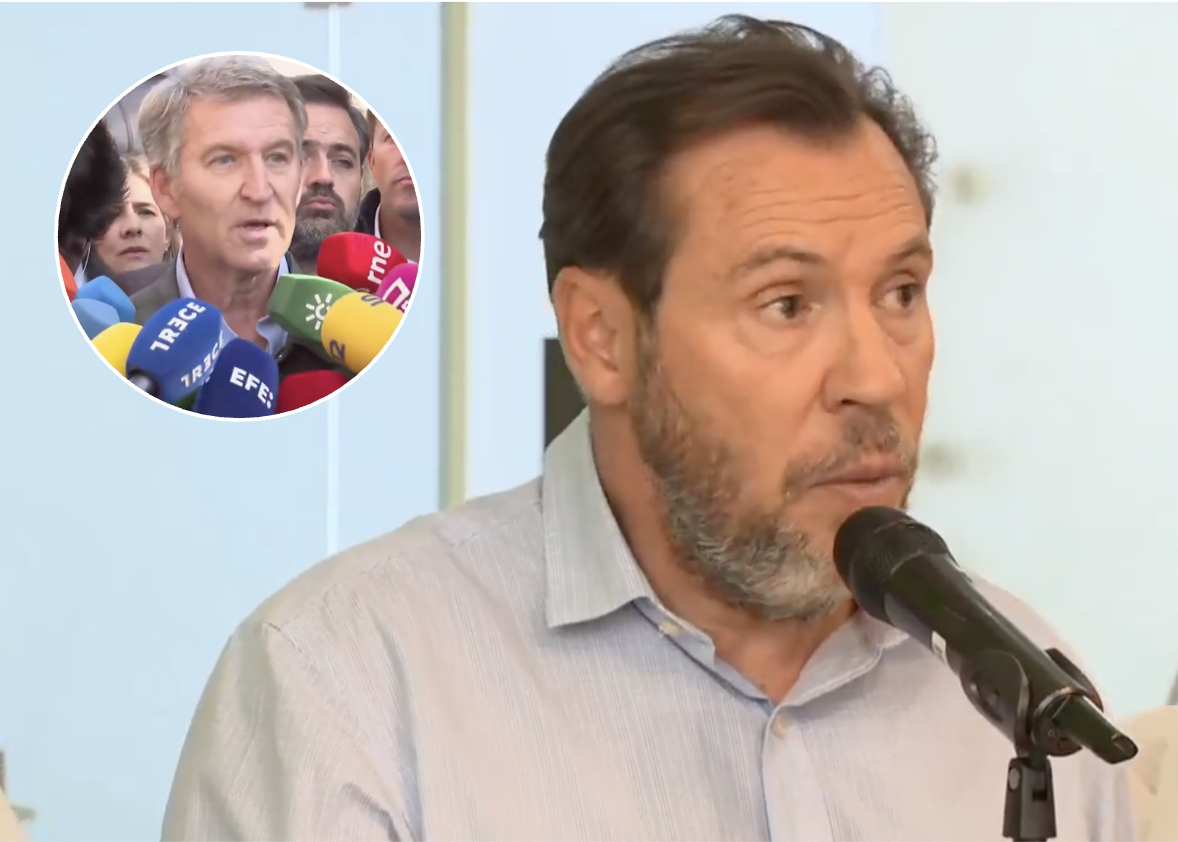

Spain’s opposition leader Alberto Núñez Feijoo has accused Transport Minister Oscar Puente of rushing to blame a railway worker for the deadly Toledo train collision.
Speaking during a visit to the emergency command centre in Urda on Thursday, the Partido Popular leader criticised Puente’s focus on an operator at Madrid’s Atocha control centre.
‘Blaming an Atocha operator is a frivolity unbecoming of a minister,’ he said.
Feijoo argued that confidence in Spain’s railways had been undermined by the Urda and Adamuz disasters, which together have claimed more than 100 lives in nine months on the Madrid–Sevilla high-speed route.
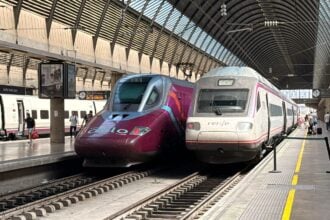
His intervention followed Puente’s initial account of Wednesday’s collision, which focused on a decision to allow a Renfe AVE service to resume normal running after a signalling failure. It then struck a stationary Iryo train ahead.
According to reports, audio extracts circulated to media outlets captured an Atocha operator instructing the AVE driver to proceed at normal speed.
However, the instruction followed a technical failure affecting the line’s LZB safety system. The recordings alone do not establish the full chain of responsibility, which remains under investigation.
The disaster has also brought renewed scrutiny of a delayed project to replace the signalling system.
LZB entered service on the Madrid-Sevilla route when the line opened in 1992. In September 2021, Adif awarded Thales a €93.8million contract to replace it with the newer ERTMS system.
The contract was formalised on October 13 that year with a 52-month execution period, pointing to a February 2026 completion date.
The replacement was still not operational when Wednesday’s collision occurred.
A contract modification published in June changed the project’s funding source from EU regional development funds to NextGenerationEU money.
The delay raises questions about the upgrade’s delivery, although whether ERTMS would have prevented this particular collision is yet to be established.
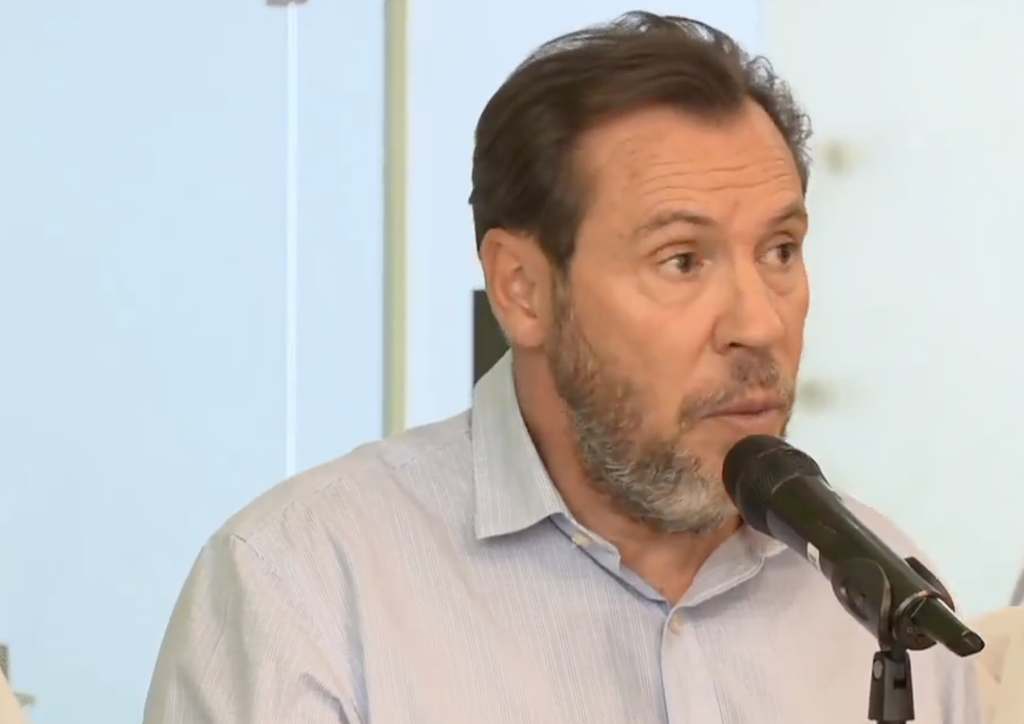
Feijoo also criticised Prime Minister Pedro Sanchez, who described two such disasters within months on the same route as unacceptable.
The opposition leader argued that acknowledging the gravity of the situation was insufficient without corresponding action.
He also claimed nobody from the central government had called to brief him, saying Castilla-La Mancha president Emiliano Garcia-Page had instead provided information.
Puente has said his immediate priority is establishing what happened and resolving the crisis, rather than considering his resignation.