

Spain’s property market is facing a structural shortfall of more than 730,000 homes, according to new research by CaixaBank.
Since 2021, just 474,000 homes, including private and subsidised housing, have been completed, while 1.2 million new households have been created.
This mismatch, combined with strong demand and limited supply, is putting sustained pressure on prices-
This is particularly true in high-demand areas such as Madrid, Barcelona, Valencia, Alicante and Murcia, where nearly half of the housing deficit is concentrated.
Supply lags behind
Housing demand reached levels not seen since before the 2008 financial crisis, with more than 714,000 property transactions recorded last year – an increase of 11.5%, following another strong rise the year before.
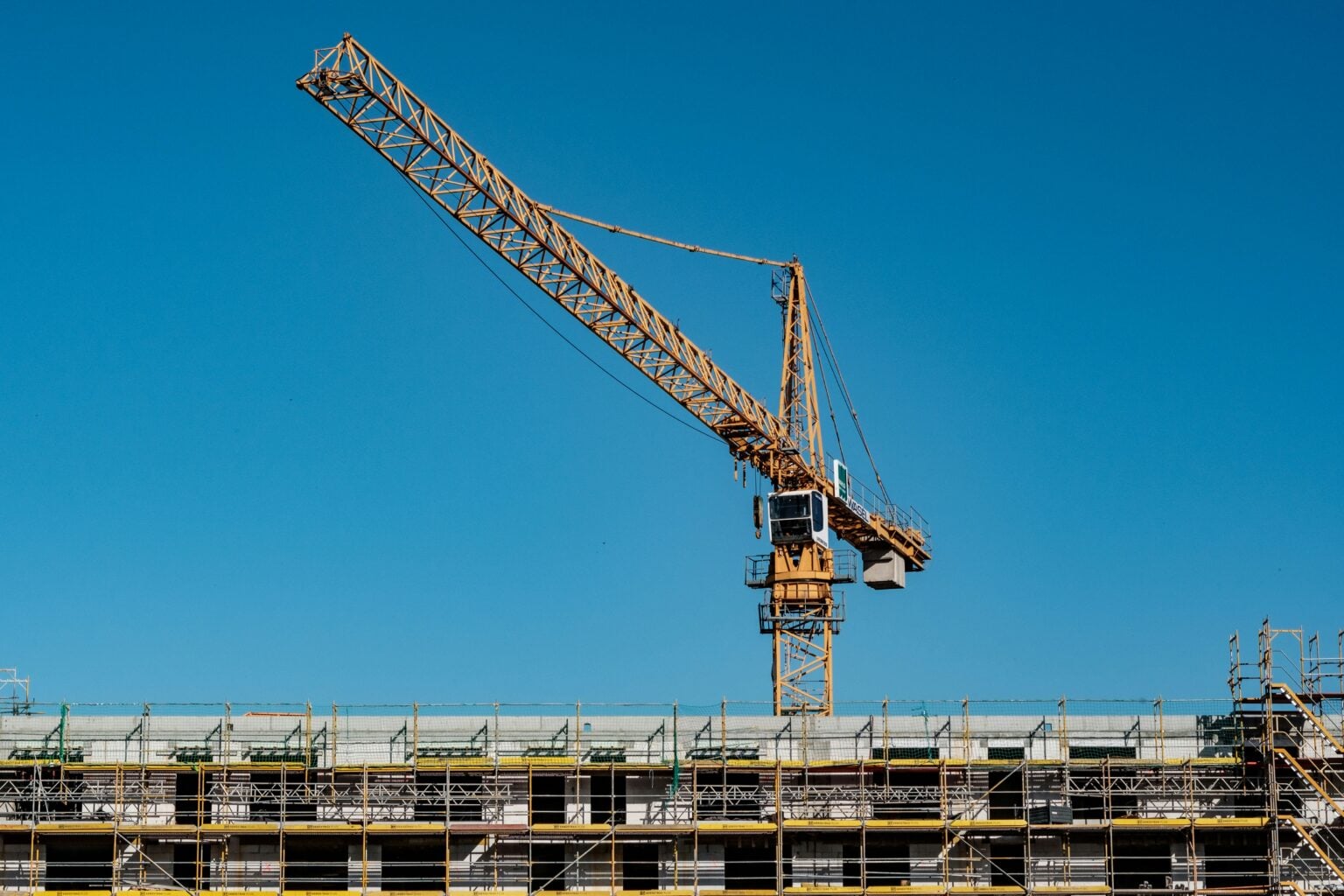
However, new construction is failing to keep pace.
Although building permits rose by 11.8% in 2025, this growth was slower than the previous year and, crucially, not always focused in the areas where housing is most needed.
In provinces with some of the highest shortages, such as Tarragona, Castellon and Murcia, new developments cover less than 10% of the existing deficit.
Meanwhile, construction activity is stronger in regions like Seville, Navarra, Cordoba and Asturias, where pressure is less intense.
This imbalance is partly due to local constraints, including land availability, regulation, costs and administrative capacity, all of which limit how quickly supply can respond in overheated markets.
Prices set to keep rising
The lack of available housing continues to push prices higher, making it increasingly difficult for younger buyers and lower-income households to enter the market.
According to the Bank of Spain, the proportion of households that own their main residence fell to 70.6% in 2024, the lowest level in recent years.
While overall household wealth has grown modestly, this has been driven more by reduced debt and financial assets than by real gains in property ownership.
Looking ahead, prices are expected to keep rising into 2026 and 2027, although at a slower pace. Growth is likely to be uneven, with stronger increases in areas where demand has been more contained, and signs of cooling in already overheated markets.
Interest rates and global tensions
The outlook is further complicated by global economic uncertainty, particularly linked to tensions in the Middle East.
CaixaBank Research warns that the conflict could impact Spain through higher inflation – expected to reach around 3% – weaker external demand and tighter financial conditions if interest rates rise.
Markets are already anticipating between two and three rate hikes from the European Central Bank in 2026. If confirmed, these increases would likely have a greater impact on households in 2027.
For mortgage holders, especially those on variable rates, changes in interest rates directly affect monthly repayments and, in turn, consumer spending.
Recent data shows that when mortgage costs fall, households tend to spend much of the savings. Conversely, rising borrowing costs have a dampening effect on consumption.
No quick fix
The underlying issue is that Spain is not building enough homes and not always in the right places.
Until supply catches up with demand, experts warn the housing deficit will continue to grow.