
Every year on October 12, Spain comes to a standstill to celebrate its Fiesta Nacional, better known as the Dia de la Hispanidad.
Spain’s national day is steeped in history, national pride and for some, debate.
October 12 marks the arrival of Christopher Columbus in the Americas in 1492, symbolising the first encounter between medieval Europe and the so-called ‘New World’.
The event not only reshaped global trade and culture but also laid the foundation for the vast Spanish-speaking world that now spans continents.
The day was first declared a national holiday in 1918, later renamed Dia de la Hispanidad under the Franco regime, and today it officially stands as Spain’s National Day, celebrating the country’s history and global cultural influence.
Military parade and royal presence
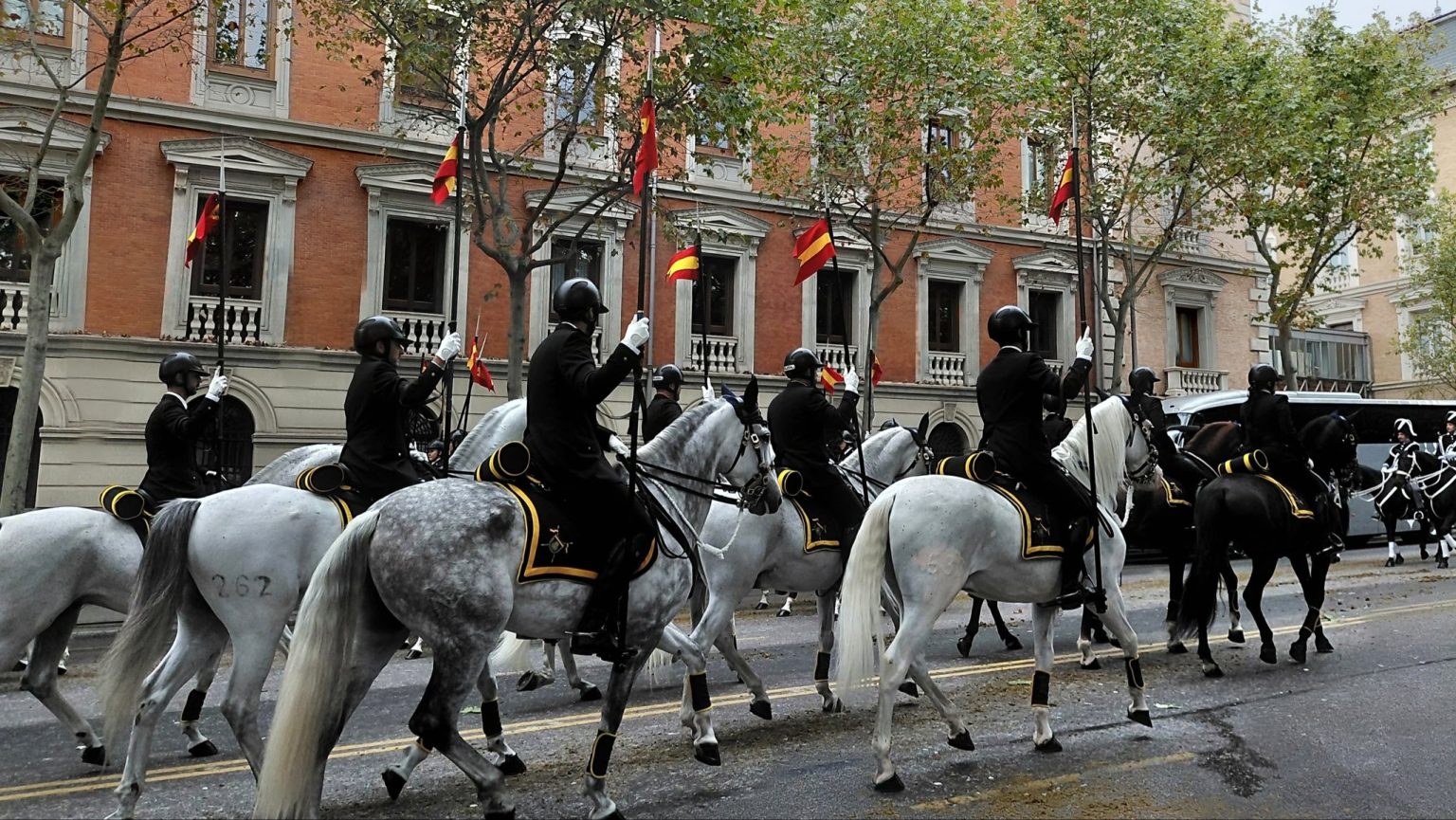
The main celebration takes place in Madrid, where the Spanish Armed Forces hold an impressive military parade along Paseo de la Castellana.
The King and Queen of Spain, members of the royal family, the Prime Minister and other government officials preside over the ceremony, which includes flyovers by the Spanish Air Force, tanks and military formations and the traditional raising of the national flag.
The event draws thousands of spectators, including tourists, while television broadcasts allow millions across the country to watch. A minute of silence is often observed to honour those who have died in service.
Regional and overseas celebrations
Beyond Madrid, the Dia de la Hispanidad is marked with parades, concerts, civic events and exhibitions in towns and cities across Spain. Many Spaniards take advantage of the public holiday to spend time with family or travel, as it often creates a long weekend.
In Latin America, the date is also recognised, though under different names and with distinct meanings – from Día de la Raza in Mexico and Colombia to Día de la Diversidad Cultural in Argentina – reflecting more complex perspectives on the colonial legacy.
A day of pride – and reflection
While many view October 12 as a celebration of Spain’s language, culture and global legacy, others see it as a moment to reflect on colonialism and its consequences.
In recent years, some protests have taken place alongside official ceremonies, calling for a more inclusive understanding of Spain’s past.