
A low-key policy shift in Brussels could spell trouble for homeowners in Spain – especially those with traditional properties in inland Andalucia or areas like the Costa Tropical.
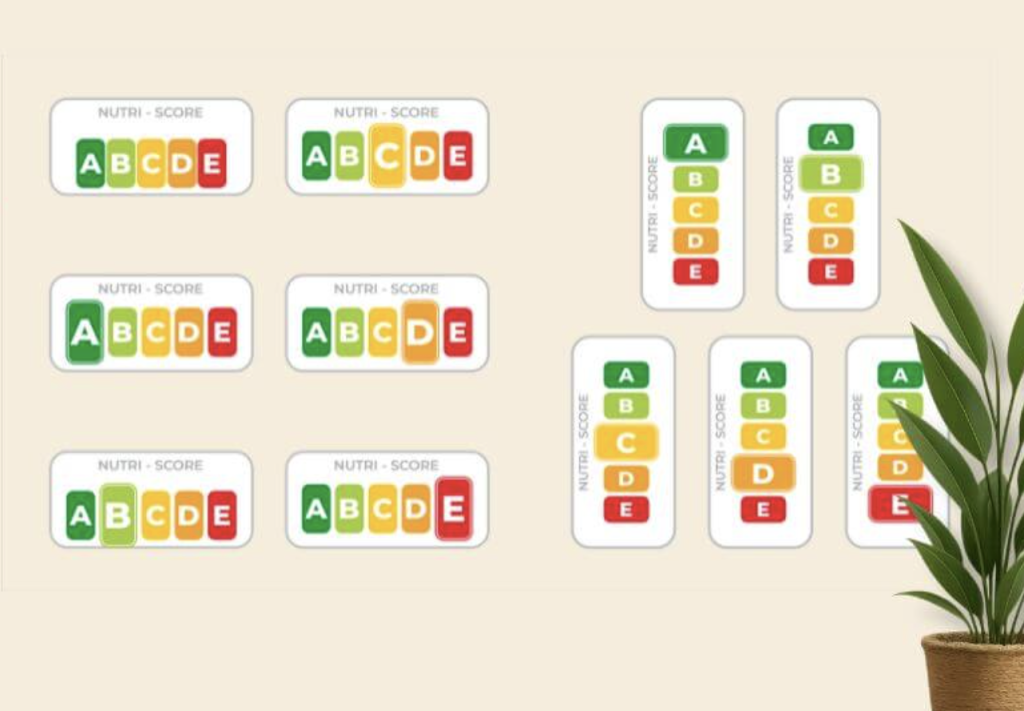
From 2030, homes with the poorest energy ratings (classified as F or G) could be banned from being sold or rented. And by 2033, even a D rating will no longer make the cut.
What this means in practice
So far, Spain’s energy performance certificate (EPC) has been seen as a formality – just another document to tick off when listing a property. Most buyers skim over it. Most sellers don’t give it a second thought.
But that’s changing fast. Under new EU legislation, any property falling below an E rating may soon be excluded entirely from the property market – that includes sales, long-term rentals, and even holiday lets.
Why southern Spain faces a bigger risk
The charm of southern Spain is part of the problem. Granada’s inland villages and the Costa Tropical are packed with homes that ooze character but often flunk modern energy standards. We’re talking about:
- Cortijos with no insulation.
- Village homes with outdated wiring and single-pane windows.
- Flats built decades ago with old boilers and inefficient systems.
Many of these score in the F or G range. Without upgrades, they could become ‘stranded properties’ – still owned, but not legally sellable.
What would upgrades cost?
To bring a home in line with the new rules, owners may need to invest in:
- Double or triple-glazing.
- Wall and roof insulation.
- Renewable systems like heat pumps or solar panels.
These upgrades don’t come cheap – expect anything from €15,000 to over €50,000, depending on the property’s size and state.
Government grants exist, but applying for them can be time-consuming, and the rules change frequently. It’s worth speaking to a gestor or visiting your local town hall for up-to-date advice.
What sellers should do now
Even though having a valid EPC is already mandatory when listing a property, now is the time to get ahead. If you’re thinking of selling in the next five to seven years, act early – before the market shrinks.
Right now, buyers may be open to taking on a property that needs energy upgrades. But come 2030, the pool of willing buyers could dry up completely if your home doesn’t meet the legal standards.
Price realism is key. More and more buyers are asking about energy efficiency, and many will reduce their offers to account for expected renovation costs.
At Hola Properties, we carry out full legal and technical checks before listing any home – including a close review of the energy rating. If improvements or price changes are needed, we’ll advise early.
A better market for buyers – with some caveats
For British buyers moving to certain parts of Andalucia, these new rules are a double-edged sword. On one hand, they’ll help clean up the market and make it easier to compare long-term running costs. But they also mean higher standards – and potentially more upfront work.
If you’re looking to buy, make sure to:
- Ask for the EPC as part of your due diligence.
- Factor in renovation costs for energy compliance.
- Think long-term about heating, cooling, and insulation costs.
Don’t wait until it’s too late
The 2008 crash showed how quickly market rules can shift in Spain. Back then, lending rules changed overnight. This time, it’s climate regulation, and it could hit just as hard.
If you own a rural home or a traditional village property in southern Spain and don’t know your energy rating, get it checked now. Waiting until 2030 could be the difference between closing a deal – or watching your home sit on the market indefinitely.
Mathew Wood, co-founder of Hola Properties, has more than 30 years of experience in real estate, and has dealt with international sales at the highest level. He previously started the number one rated agency in the UK and has a vast network of contacts across Northern Europe, the USA.
Read more Spain property news at the Spanish Eye.