
Politicians in Spain are set to vote on a bill that would fine booking platforms up to €1million for advertising and selling stays at illegal tourist flats.
EH Bildu’s economic spokesperson in Congress, Oskar Matute, has called on the Spanish government to support the party’s proposed law.
The legislation would ban online platforms from advertising or booking illegal tourist accommodation without a valid registration number or licence. The proposal will be debated and voted on in the Congress of Deputies’ plenary session on Tuesday.
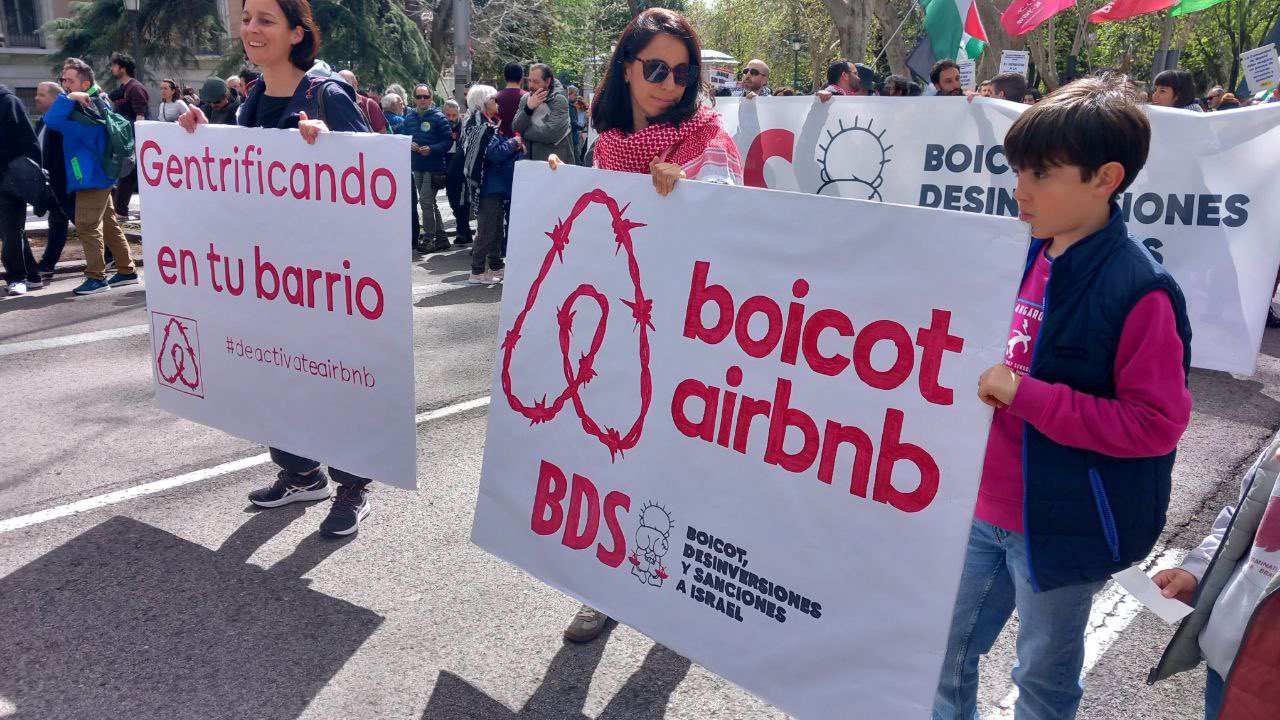
The initiative seeks to curb what Bildu describes as an ‘out-of-control phenomenon’ (the boom in unlicensed tourist rentals), which the party argues has driven gentrification, pushed out long-term residents and fuelled mass tourism.
Bildu notes that many local councils and regional governments lack the means to monitor or regulate illegal tourist flats, either due to resource shortages or, in some cases, ‘deliberate permissiveness.’
As a result, property owners have continued advertising and renting out homes without licences, allowing the black market for short-term rentals to flourish unchecked.
Fines of up to €1million
To tackle this, the party is proposing legislation that would impose fines and make digital platforms legally responsible for preventing the spread of unlicensed tourist rentals.
Penalties could reach €1 million for hosting listings without proper permits, registration numbers, or habitability certificates. The same fine would apply if listings were posted without linking them to the host’s personal identification details.
‘We need to stop the growth of illegal tourist flats on digital platforms,’ Matute told RNE radio. He stressed that the sector must be properly regulated so that profits are earned legally, with all required licences and taxes in place, while ensuring minimum quality standards for guests.
Matute urged the government to act proactively rather than reactively.
The Bildu MP also expressed optimism about cross-party support, noting that the proposal is not ‘clearly ideological.’
Sources within the PSOE told Europa Press the party has not yet decided its position on the bill.
Tuesday’s vote will only determine whether the proposal moves forward for full parliamentary consideration.
If admitted, it will proceed to committee stage, where MPs can propose amendments — a process that could take several weeks, depending on the Congress board’s timetable (currently dominated by PSOE and Sumar).