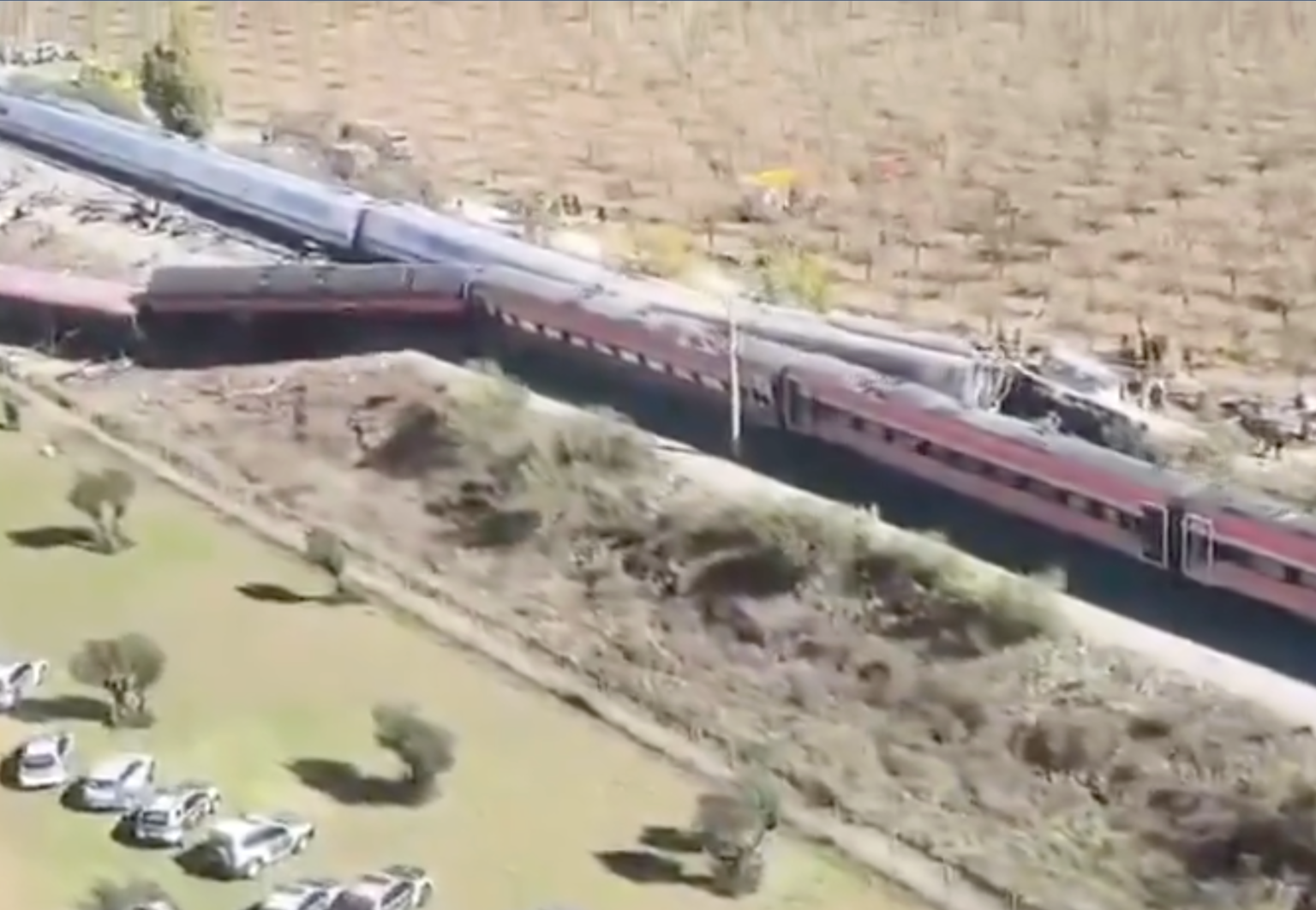

The head of Iryo identified recurring signalling problems on the Madrid-Andalucia high-speed line just weeks before one of his company’s trains was struck from behind in the Toledo disaster.
Giving evidence to a Senate inquiry earlier this month, chief executive Fabrizio Favara said the most frequent problems reported on the route involved the LZB protection system.
‘It is a safe system, but quite old,’ he told senators.
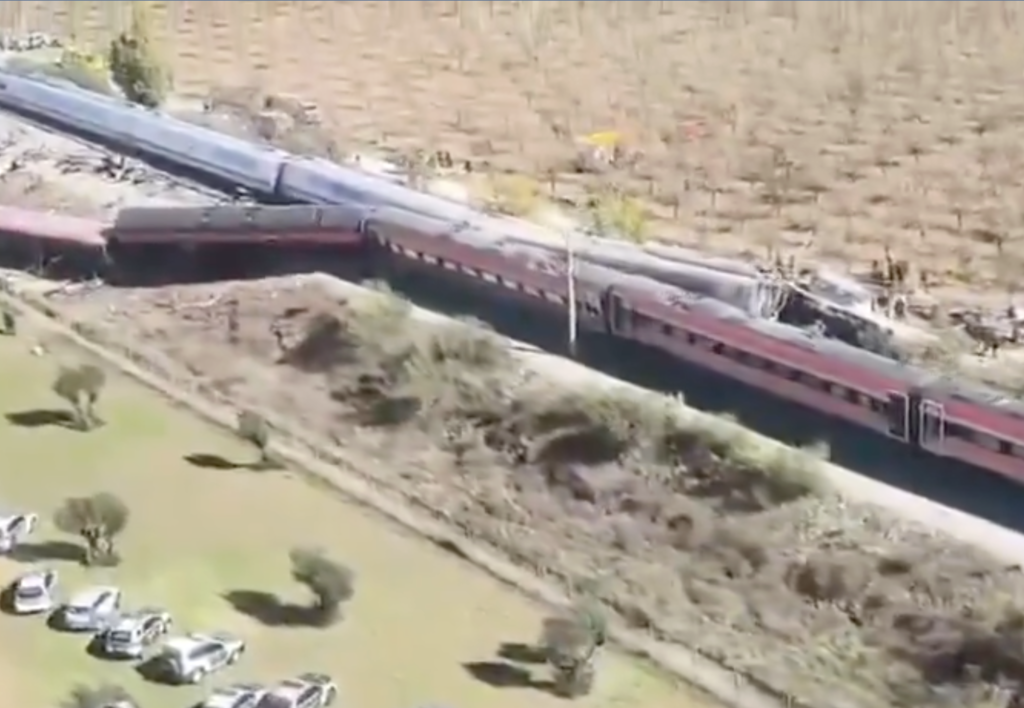
His testimony has taken on new significance after Wednesday’s collision near Urda, where investigators are examining a signalling failure and the subsequent instructions issued to train drivers.
Favara explained that when signalling equipment breaks down, a train stops and can take considerable time to reconnect before continuing.
An Iryo train remained stationary before Wednesday’s collision with a Renfe AVE service.
The Senate hearing was examining January’s fatal accidents in Adamuz and Gelida. During his appearance, Favara also acknowledged weaknesses in communication between railway operators and infrastructure manager Adif.
Asked whether Iryo had changed its communication procedures with Adif after Adamuz, he said: ‘We have not changed the communication protocols.’
However, he also told the inquiry that communication with Adif had not presented a problem on the day of that accident.
An internal commission established by Iryo in February had found nothing requiring changes to its safety management procedures, he said.
Favara described how train operators receive documents setting out authorised speeds and the permission to begin their services.
When drivers report anomalies to Adif’s traffic control centre, however, the infrastructure manager is not required to tell the operator what action it takes as a result.
He defended the division of responsibilities between operators and Adif, while acknowledging that communication could improve.
It comes as authorities in Spain continue to identify the victims of the Toledo rail disaster.
The death toll at the time of reporting stood at 74, but health authorities in Castilla La Mancha have not ruled out that number increasing.