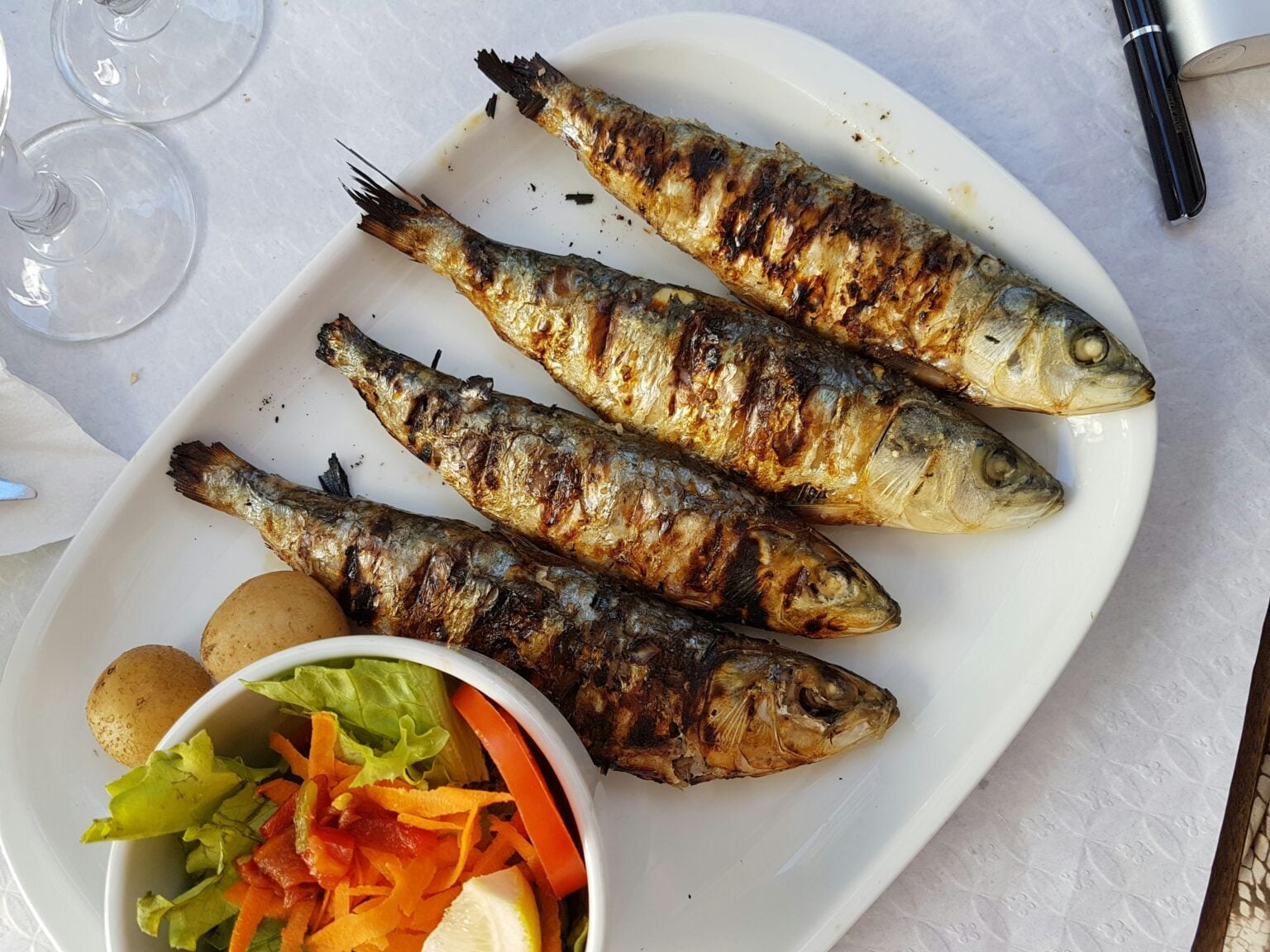

Scientists in Andalucia have detected 81 different contaminants and metabolites in four species of fish commonly eaten in Spain.
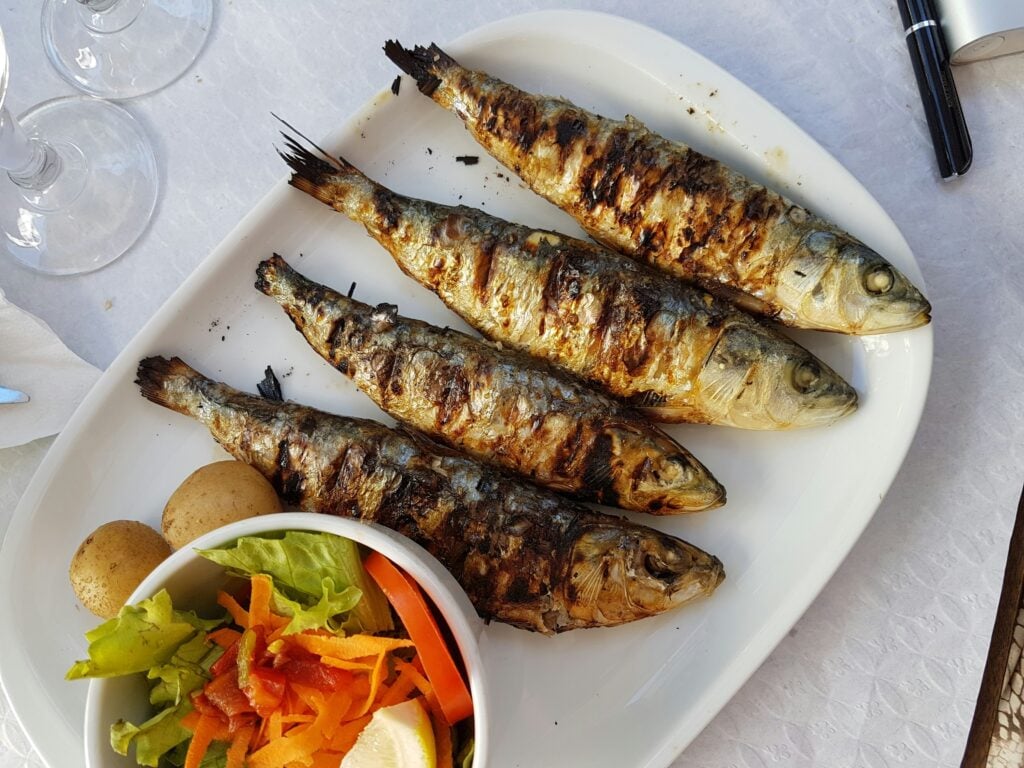
Researchers from the University of Cordoba (UCO) analysed 120 specimens of horse mackerel, sardine, red mullet and hake to better understand the mixture of chemicals to which seafood can be exposed.
The substances detected included plasticisers, flame retardants, pesticides, pharmaceuticals, illicit drugs, personal care products and industrial chemicals.
However, researchers stressed that detecting a contaminant in a fish does not mean that eating it poses a health risk.
The study, carried out by Ayman N. Saber, Noelia Caballero Casero and Soledad Rubio from UCO’s IQUEMA institute, has been published in the Journal of Hazardous Materials.
Researchers screened the fish from the Mediterranean against a database of approximately 11,000 potential substances, including both original contaminants and the compounds produced when fish metabolise them.
Of the 81 compounds ultimately detected, almost half were metabolites.
In many cases, scientists found the metabolite without detecting traces of the original contaminant from which it was derived.
They say further research is now needed to establish where these compounds originate and how they are formed.
Different fish, different chemical cocktails
The study found that the mixture of contaminants varied significantly between species despite the fish inhabiting the same Mediterranean waters.
Researchers believe factors including habitat, feeding behaviour and routes of exposure help explain the differences.
Horse mackerel, for example, feeds on prey both in the water column and around the seabed.
It consequently displayed a particularly broad range of contaminants, including plasticisers, industrial compounds and pesticides.
Red mullet, meanwhile, disturbs seabed sediment while searching for food and was found to be more affected by pollution associated with coastal areas, including plasticisers and pharmaceutical products.
Hake contained a smaller overall range of contaminants but showed a greater presence of persistent industrial substances that are difficult to break down.
The University of Cordoba cautioned against interpreting the findings as evidence that the four species are unsafe to eat.
It said the results demonstrate the need to examine a much wider range of substances and metabolites to build a more realistic picture of seafood contamination and potential human exposure.
The findings could ultimately help scientists improve how the safety of seafood products is assessed, particularly when consumers are exposed not to a single chemical but to complex mixtures of different substances.
Read more Andalucia news at the Spanish Eye.