
The West Nile virus outbreak in Andalucia has claimed its first life for the 2026 season.
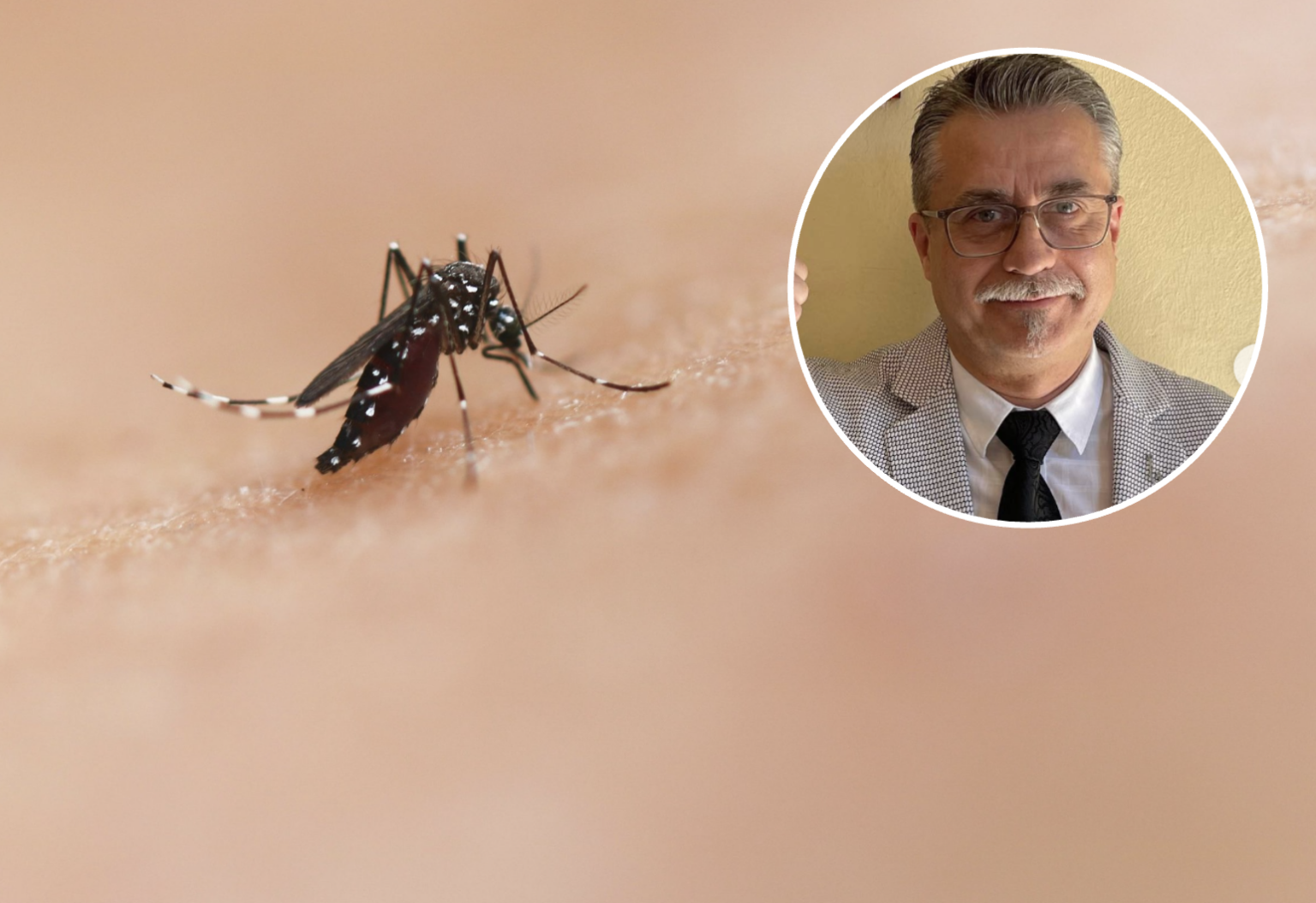
The death on Tuesday was confirmed by immunologist Professor Alfredo Corell, from the University of Sevilla, who urged the public not to panic after declaring there were 17 detected cases so far.
No further details about the victim had been released at the time of reporting.
While the latest figures mark a sharp increase from last year, Corell said the rise is largely due to improved testing rather than the virus becoming more dangerous.
Sevilla province remains the epicentre of the outbreak, just as it was in 2024, when Andalucía recorded 11 deaths and more than 100 severe infections.
After a quieter 2025 season, in which only five severe cases were reported and the first did not appear until September, this year has started much earlier.
There has already been one death, with 17 confirmed infections, including 12 classified as mild.
‘This death reminds us that the virus can be serious and even fatal in particularly vulnerable people,’ Corell said.
‘But having more cases does not mean the virus is becoming more dangerous or more contagious. It has become established and now circulates every summer.
‘We are simply detecting many more infections than we were five years ago, and from a public health perspective that is good news.’
For the first time, the Junta is also including mild infections in its official statistics, giving a more complete picture of the virus’s spread.

The Health Ministry says it has introduced a new surveillance system to identify human cases earlier, allowing preventative measures to be implemented more quickly.
So far this season, laboratories have carried out 342 diagnostic tests on patients, screened 107 people with viral meningitis for mosquito-borne diseases, and tested 2,088 blood donors for West Nile virus, with all blood donations returning negative results.
‘Ideal conditions’ for mosquitoes
Professor Corell said the combination of a wet winter followed by an exceptionally hot spring and early summer has produced ideal breeding conditions for mosquitoes.
‘This year is the ideal scenario for mosquitoes and infections,’ he explained.
‘The heavy winter rains created many more areas of standing water, where mosquitoes breed. Then the spring and early summer heat accelerated their development, meaning they are biting more frequently.
‘It isn’t that the heat creates the virus – it creates the ideal conditions for mosquitoes to transmit it more effectively.’
The flooded rice fields of the Lower Guadalquivir and exceptionally high water levels in the Doñana marshes have also increased mosquito breeding sites.
Less than 1% develop severe illness
Despite growing case numbers, severe illness remains rare.
Professor Corell said around 80% of infected people develop no symptoms at all, while 20% experience only mild flu-like illness, including fever, headaches, muscle aches, fatigue and nausea.
‘Less than 1% of infected people develop severe disease,’ he said.
Those severe cases involve neurological complications such as meningitis, encephalitis or paralysis and are most likely to affect older people or those with weakened immune systems.
Humans are considered accidental hosts, with birds acting as the virus’s natural reservoir. The virus is transmitted through mosquito bites and is not spread from person to person under normal circumstances.
Health officials expect the season to continue for several more months. Last year, the final West Nile cases were not recorded until November.
Read more Andalucia news at the Spanish Eye.