
A ‘forgotten’ antibiotic developed in the 1980s could prove an effective new weapon against antibiotic-resistant infections, an Andalucia-led study has found.
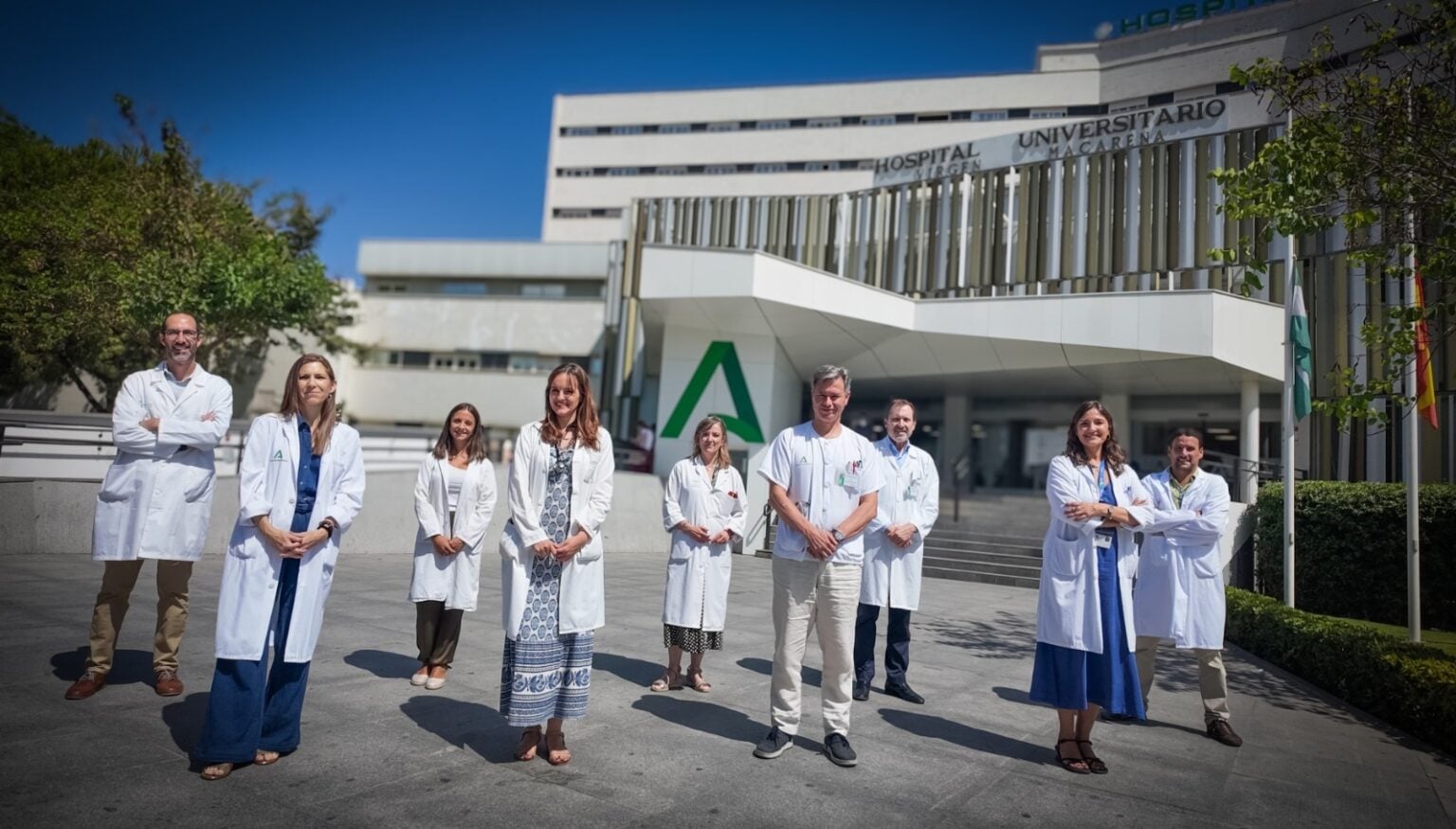
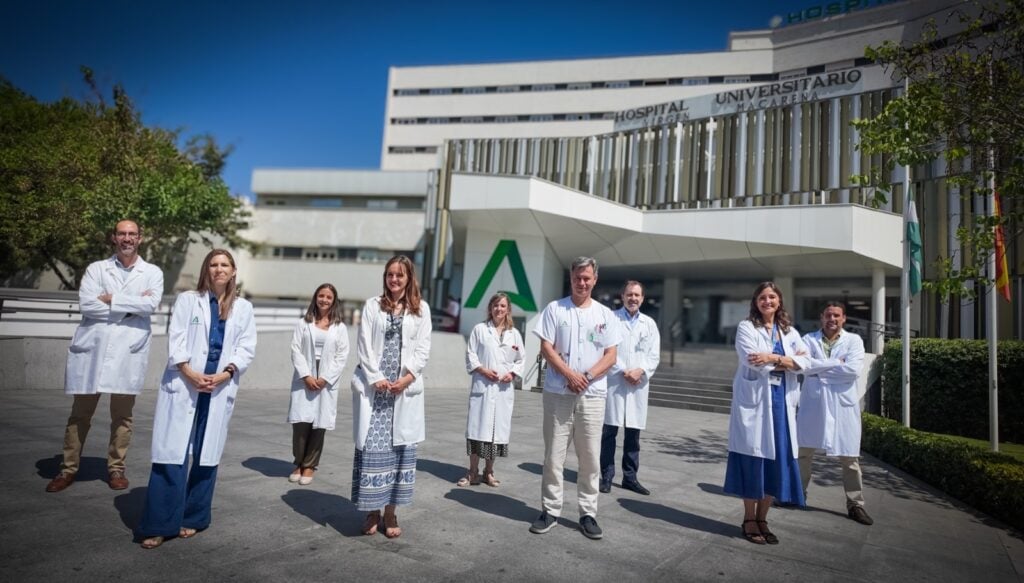
Researchers at Sevilla’s Virgen Macarena University Hospital focused on temocillin, an antibiotic that is no longer marketed in Spain.
They found it to be just as effective as carbapenems – one of medicine’s last-resort antibiotics – in treating serious infections caused by multidrug-resistant enterobacteria.
Enterobacteria are naturally found in the human gut but can cause severe and potentially life-threatening infections if they spread to other parts of the body.
As resistance to commonly used antibiotics has increased, doctors have relied more heavily on carbapenems.
However, overuse has also led to growing resistance against these vital drugs, prompting scientists to search for alternative treatments.
The research, known as the Astarte Project, involved 29 hospitals across Spain and was led by the Infectious Diseases Department at Virgen Macarena University Hospital, together with the Carlos III Health Institute’s CIBERINFEC infectious diseases network.
Researchers studied 334 patients, with half receiving temocillin and the other half treated with carbapenems.
The results showed both groups achieved similar outcomes, demonstrating that temocillin is a safe and effective alternative for treating these difficult infections.
The findings have been published in The Lancet, one of the world’s most prestigious medical journals, which also published a dedicated editorial on the research.
According to the research team, it is the first time an Andalucian-led research group has published a study in The Lancet as the principal investigators, marking a significant milestone for medical research in the region.
Read more Andalucia news at the Spanish Eye.