
Health officials have confirmed the first human case of West Nile virus in Andalucia this summer, after a woman from Sevilla tested positive following exposure in Palomares del Rio.
The woman developed symptoms on July 3, with the infection confirmed by PCR testing at Virgen del Rocio Hospital on Saturday.
Authorities described the illness as mild and said it was detected through Andalucia’s surveillance programme for human cases in high-risk areas.
Following the confirmation, the Junta de Andalucia has declared Palomares del Rio an official West Nile virus alert area until at least August 8.
The move will trigger increased monitoring of mosquitoes, birds and horses, while local authorities have been ordered to intensify mosquito control measures within the municipality and up to 1.5km beyond populated areas where breeding sites have been identified.
Palomares del Rio becomes the third municipality placed on alert this season, alongside Pulpi in Almeria and Torredonjimeno in Jaen.
So far this year, health authorities have tested 207 people for suspected West Nile virus and screened 82 patients with viral meningitis, with this being the first confirmed human infection.
No cases have yet been detected in horses or wild birds.
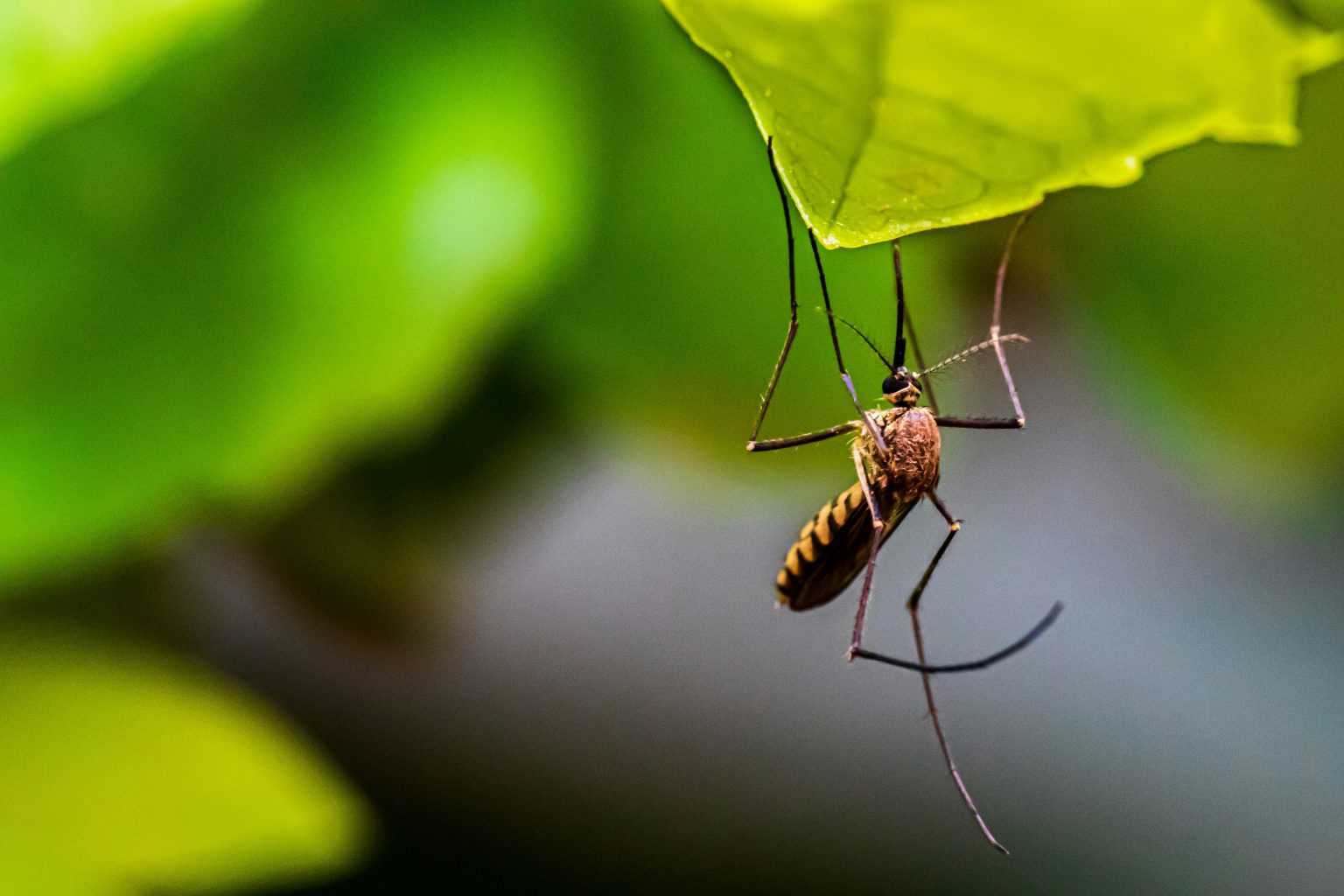
Mosquito surveillance has identified the virus in mosquito populations in Pulpi, Benacazon and Torredonjimeno, while mosquito numbers have been rising in several parts of Andalucia.
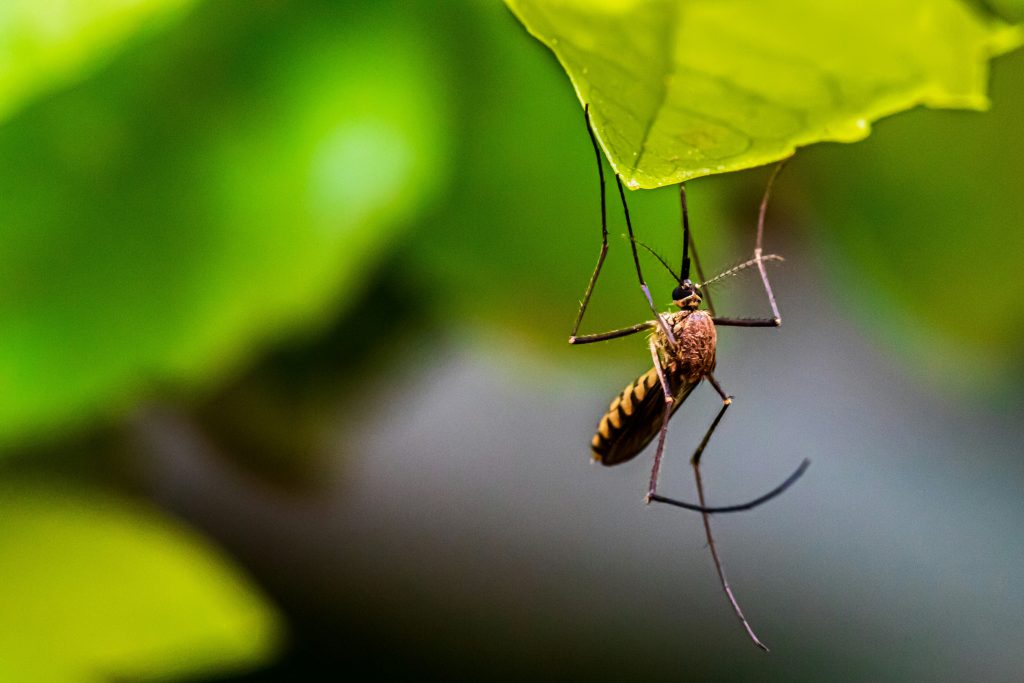
High densities of female mosquitoes capable of transmitting the virus have recently been recorded in Isla Mayor, La Puebla del Rio, Los Palacios y Villafranca and Lebrija, with intermediate levels detected in Gerena, La Carlota and Bailen.
The Junta is urging residents to protect themselves from mosquito bites by using approved insect repellent, wearing long, light-coloured clothing, fitting mosquito screens where possible and removing standing water from gardens, buckets, plant pots and swimming pools where mosquitoes can breed.
Officials also recommend avoiding strong perfumes and scented soaps, which can attract mosquitoes, particularly during the peak mosquito season.
Read more Andalucia news at the Spanish Eye.