More than 161,000 migrants in Andalucia have applied for legal status under Spain’s extraordinary regularisation scheme, making the region the fourth highest in the country for applications.
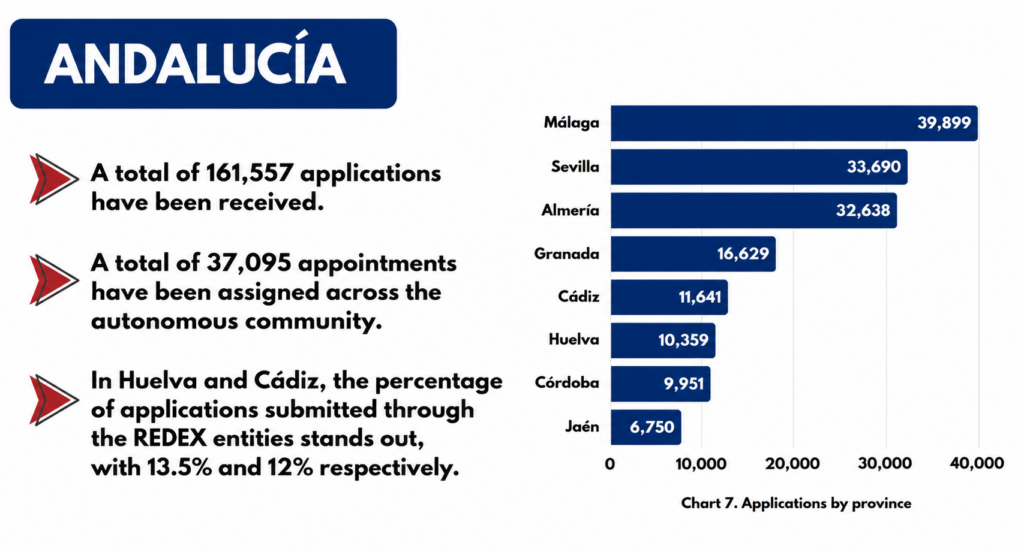
Figures released by the Ministry of Inclusion, Social Security and Migration show 161,557 people across the region submitted applications before the process closed at the end of June.
The scheme gives eligible migrants access to residence and work permits, as well as Spain’s social security and public healthcare systems.
Only Catalonia registered more applications, with around 250,000, followed by Madrid with 202,000 and the Valencian Community with 167,000.
In Andalucia, the largest group of applicants were Colombian nationals, who accounted for around one in four requests.
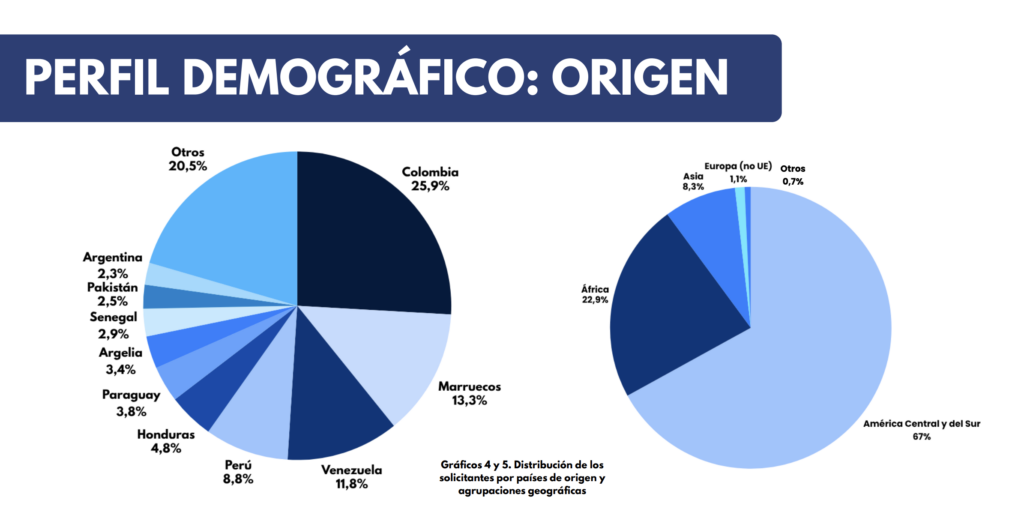
They were followed by Moroccans, who made up 20.3%, then Venezuelans at 8.6%, Senegalese nationals at 7.7% and Peruvians at 5.7%.
The profile of applicants in Andalucia was mostly young and male. Men accounted for 58% of requests, while around half of applicants were under the age of 34.
Some 32% were aged between 25 and 34, while 17% were over 16 and 9.5% were under 15. Only 4.8% were over the age of 55.
Malaga recorded the highest number of applications in Andalucia, with 39,899 people applying in the province.
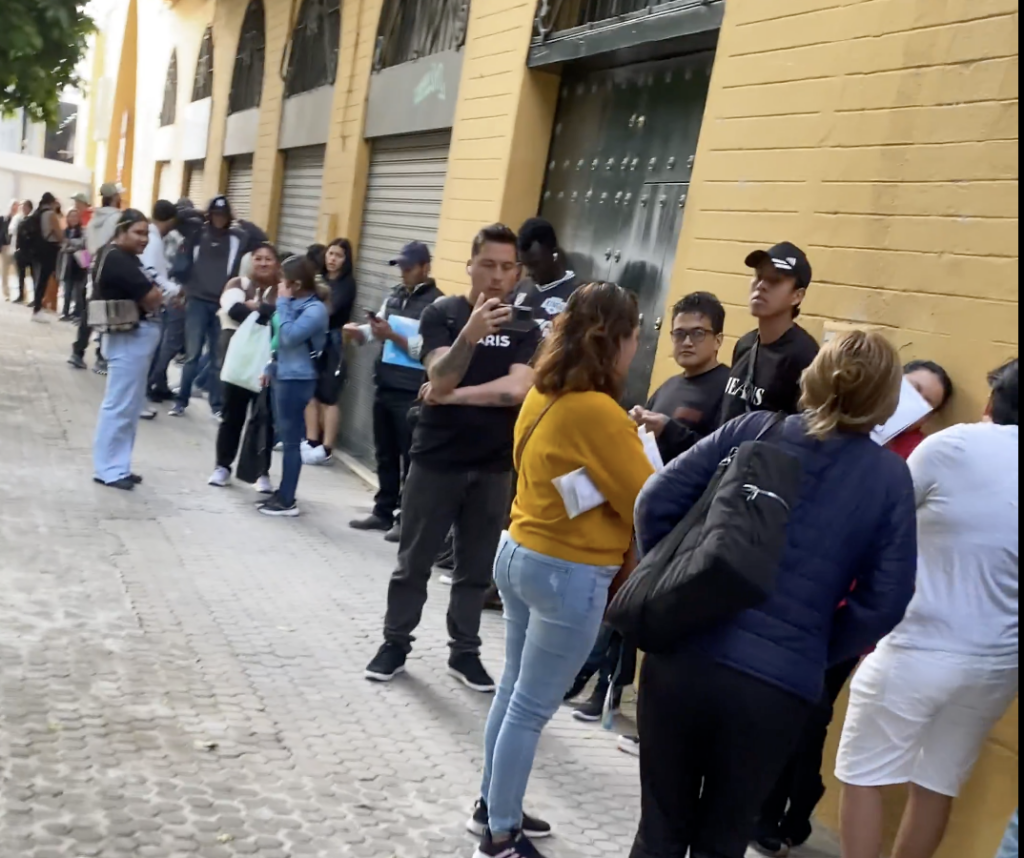
Sevilla followed with 33,690, while Almeria registered 32,638 applications, giving it one of the highest rates in Spain relative to its population.
Elsewhere in the region, Granada recorded 16,629 applications, followed by Cadiz with 11,641, Huelva with 10,359, Cordoba with 9,951 and Jaen with 6,750.
The government said collaborating organisations played a particularly important role in Huelva and Cadiz, where more than 12% of applications were submitted through that route.
The scale of the process has exceeded initial expectations and marks one of the most significant immigration measures introduced by the Spanish government in recent years.