
Spain is prepared to deal with a possible Ebola case, experts have said, after the latest outbreak reached Europe this week.
France confirmed that a humanitarian doctor had tested positive after returning from the Democratic Republic of the Congo (DRC), where a lethal strain of Ebola has been circulating since May 15.
Health authorities in France have since placed five passengers into home quarantine after they shared a flight with the infected medic from Kinshasa.
The doctor, who works with the humanitarian NGO Alima, is being treated in isolation at Bichat Hospital in Paris and is said to have only mild symptoms.
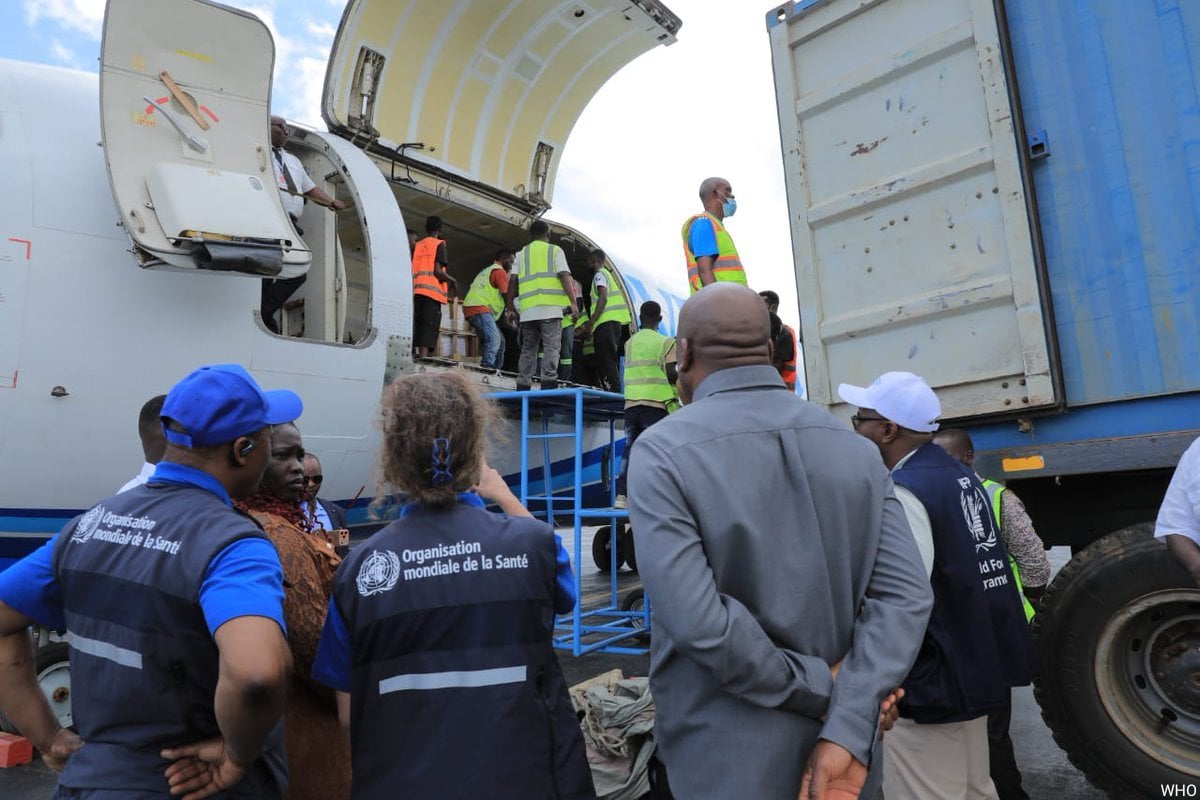
The outbreak in the DRC has now become the third-worst Ebola epidemic ever recorded, with 1,094 confirmed cases and 277 deaths. At least 387 people are currently in hospital or isolation.
The epicentre is Ituri, a province bordering Uganda and South Sudan, although the virus has also spread to North Kivu and South Kivu.
Uganda has also reported 20 confirmed cases, including 15 believed to have been imported from Congo, and two deaths.
João Forjaz, president of the Spanish Society of Epidemiology, said it was ‘foreseeable’ that a case would eventually reach Europe.
‘Something similar happened in 2014,’ she explained. ‘A European healthcare worker becomes infected and, when returning to their country of origin, can carry the virus with them.’
However, she stressed that Spain has well-established procedures to prevent any wider spread, reports VozPopuli.
‘Spain has experience and well-established protocols to care for these cases and prevent the virus from being transmitted to the general population,’ Forjaz said.
‘Therefore, the risk of community spread is very low.’
The European Centre for Disease Prevention and Control continues to assess the risk as low for travellers visiting areas with active transmission and very low for the general population in Europe.
Forjaz said the priority must be tackling the outbreak at its source.
‘We have to deal with this problem at origin so that this risk does not increase,’ she said.
‘It is important that all means of international coordination are put in place to care for all cases and local people, because there are more than 1,000 infected people, more than 200 dead, and these figures are going to increase.’
If a Spanish healthcare worker were to become infected abroad, Forjaz said they should be treated in Spain, provided any transfer was carried out under strict safety conditions.
‘In Spain there are protocols, we have high-security isolation units, and we are prepared to care for these people here,’ she said.
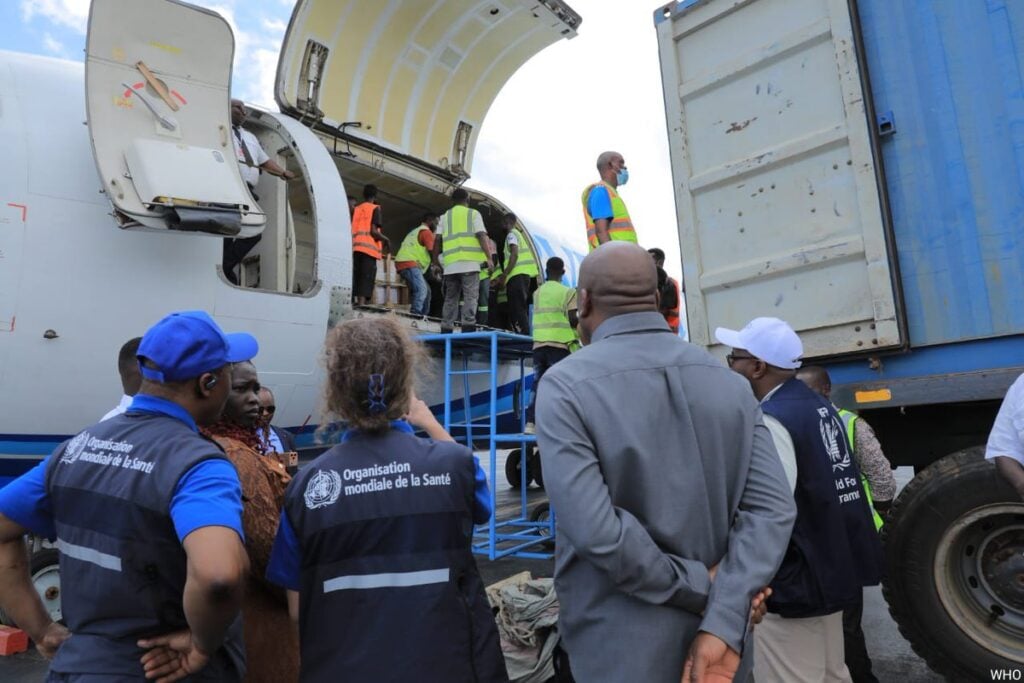
The World Health Organisation has meanwhile announced it will trial two antivirals in communities in the DRC to see whether they can reduce deaths from the Bundibugyo strain of Ebola.
The treatments, MBPC 134 and remdesivir, will be donated by the United States and US pharmaceutical company Gilead, according to WHO director-general Tedros Adhanom Ghebreyesus.
There is currently no specific approved treatment for Ebola Bundibugyo, although Forjaz said she hopes a vaccine can be developed within months.
‘Fortunately, after the COVID-19 pandemic, mechanisms to develop vaccines more quickly have been accelerated, and we hope the same will happen in this case,’ she said.
‘In the meantime, new infections continue to occur.’