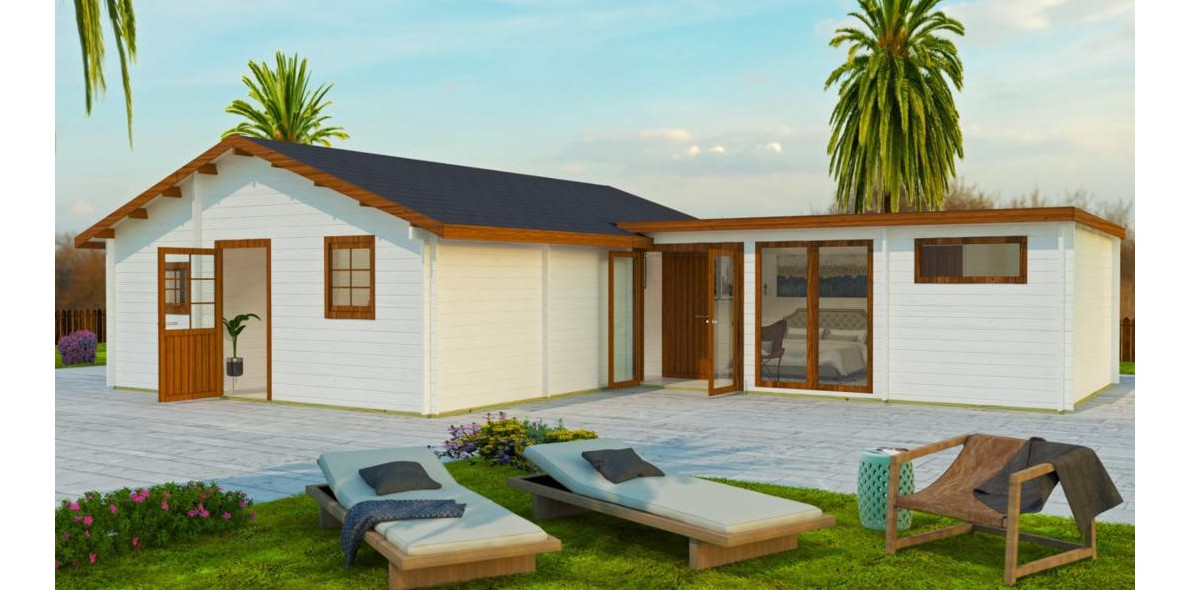

Prefabricated homes have become one of the most talked-about potential solutions to Spain’s housing crisis.
Many buyers are attracted by promises of lower prices, faster construction and fewer planning hurdles.
But housing experts say many of the claims surrounding modular homes are misleading, particularly when it comes to where they can legally be installed.
According to architecture firm Arkipromo, speaking to property portal Idealista, below are six of the biggest myths surrounding ‘prefab’ homes in Spain.
Myth 1: You don’t need planning permission
One of the most common misconceptions is that prefabricated, modular or tiny homes can bypass Spain’s planning system.
Experts insist this is false and could land you in big trouble with local authorities.
Planning laws are based on land use, not how a home is built. If it is intended to be used as a permanent residence, it is generally subject to the same rules as a traditional house.
Myth 2: You can put one on cheap rural land
Many people believe they can buy an inexpensive rural plot and simply place a prefabricated home on it.
In reality, rural land is generally reserved for agricultural, forestry or environmental uses, with residential development either heavily restricted or prohibited, except in limited circumstances set out by regional governments.
Myth 3: Mobile homes don’t count because they have wheels
Having wheels does not automatically exempt a home from planning laws.
If a mobile home is installed permanently, connected to utilities and used as a residence, authorities may treat it as a dwelling requiring planning permission.
Myth 4: Prefabricated homes are always much cheaper
Industrialised construction can reduce costs through standardisation and factory production, but experts warn that heavily customised modular homes can end up costing similar amounts to conventional builds.
The biggest savings come when buyers choose standard designs.
Myth 5: They solve Spain’s housing crisis
Prefabricated homes can speed up construction and improve efficiency, but Arkipromo says they do not solve the biggest problem facing the housing market, which is the shortage of land that is legally zoned and ready for residential development.
Myth 6: If you can move it, it’s legal
Some buyers believe that because a home can be removed later, installing it without permission is not an issue.
Experts reject this argument, warning that temporary removal does not make an illegal installation lawful, and homeowners could still face enforcement action or removal orders.
Arkipromo concludes that prefabricated homes are a valuable tool for building homes more quickly and efficiently, particularly on land that is already approved for residential use.
However, they are not a legal shortcut around Spain’s planning system, where the key issue remains land classification, planning rules and the availability of suitable development sites.