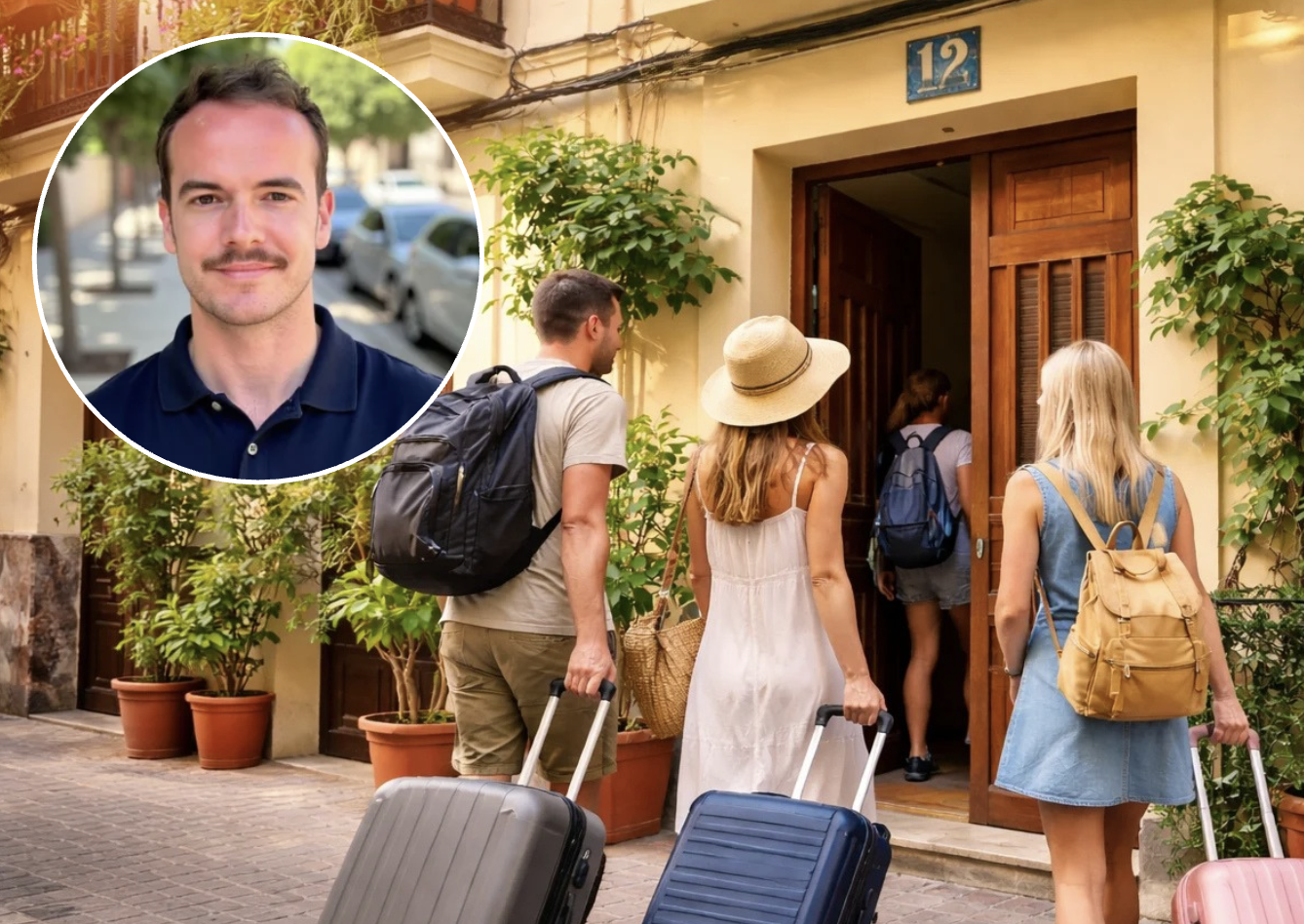

Every summer, a new headline appears claiming Spain no longer wants tourists – and this week’s effort may be one of the most ridiculous yet.
According to a widely shared article, Spain has been named Europe’s ‘least tourism-friendly country’ based on a study by a platform called JB.com – which appears to be nothing more than a casino/betting website.
The study itself is remarkably difficult to find, meaning the methodology is unclear.
Spain also welcomed close to 100 million foreign visitors last year, and the industry contributes roughly one euro in every eight generated by the economy.
What Spain is increasingly hostile towards is overtourism – but even moreso the housing crisis and affordability crises.
Over the past two years I have reported extensively on anti-tourism demonstrations in the Canary Islands, the Balearics, Alicante and Andalucía.
I’ve spoken directly with activists, campaign groups and local residents who are frustrated by rising rents, disappearing housing stock, environmental degradation and infrastructure stretched beyond its limits.
Time and again, they have insisted their anger is directed primarily at politicians and business interests who have allowed uncontrolled growth, not at the holidaymakers themselves.
The British family booking a week in Tenerife is not responsible for planning failures, nor did they create the ongoing housing crisis.
The real debate is whether local authorities have managed tourism properly – and in many places they have put greed over the welfare of the local community.
I recently visited Lanzarote, where locals told me some villages go without water supply for days because the hotels are prioritised – a prime example of the government failing to upgrade infrastructure in line with the influx of visitors.
Despite this, many locals said they love tourism and wanted more holidaymakers, especially after a tough start to 2026 due to the bad weather we all suffered.
Labelling Spain as ‘anti-tourist’ ignores the reality that the country remains one of the most welcoming destinations in the world.
What many communities are demanding is not fewer visitors at any cost, but better management of tourism’s consequences.
There is a world of difference between saying ‘we need sustainable tourism’ and saying ‘tourists are not welcome’.
Unfortunately, headlines like this fail to understand that distinction.