
Cadiz is hardly lacking when it comes to postcard coastal towns – Chipiona, Tarifa and Sanlucar de Barrameda spring to mind.
But there’s a lesser-touted sister town that shouldn’t be slept on and which offers something entirely unique.
Rota is like no place place in Spain due to the presence of the enormous US military base – which grabbed headlines around the world this year when Donald Trump threatened to defund it.
The mayor at the time said Rota would ‘cease to exist’, given that the base provides thousands of jobs for locals and residents and is the backbone of the local economy.
Indeed, the influence of the US base becomes clear once you start properly exploring the town.
On the surface, it is still quintessentially Andalucian. That means snaking, cobbled streets, white-washed homes and no high-rise buildings.
But you will suddenly see bits of American culture pertruding through. A local tells me he loves coming to Rota ‘for the pizza’ – an obvious US import.
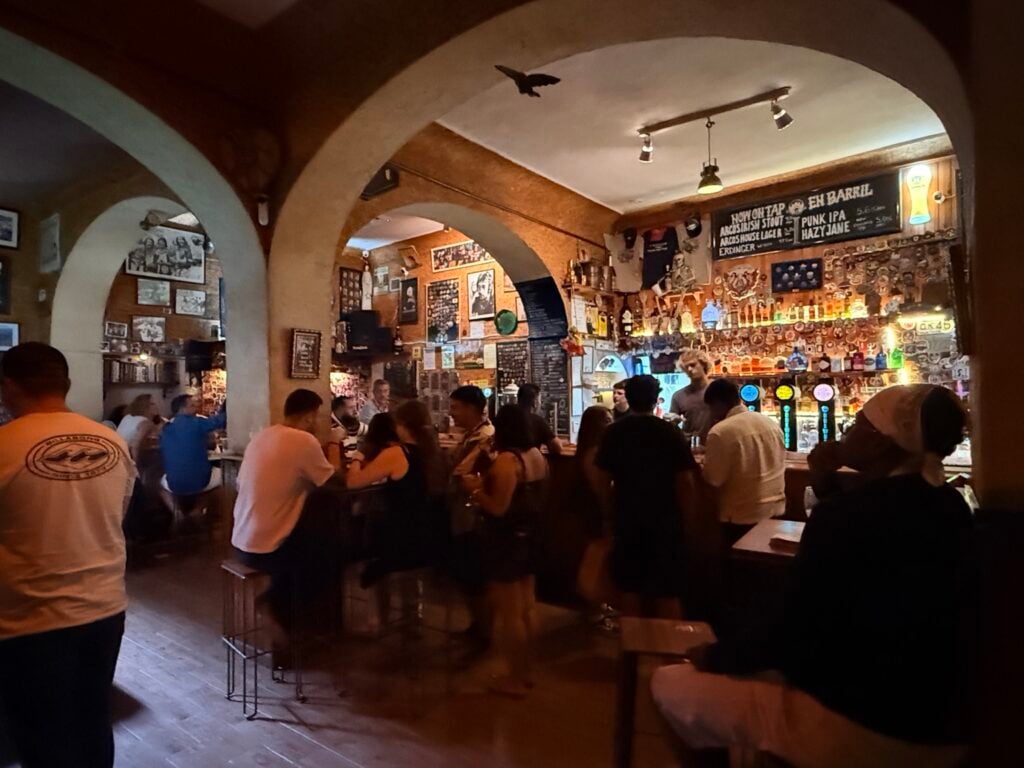
Then there are the American pubs and BBQ steak houses that you wouldn’t find anywhere else in Spain.
We even spotted huge American cars barely fitting inside the smaller Spanish roads.
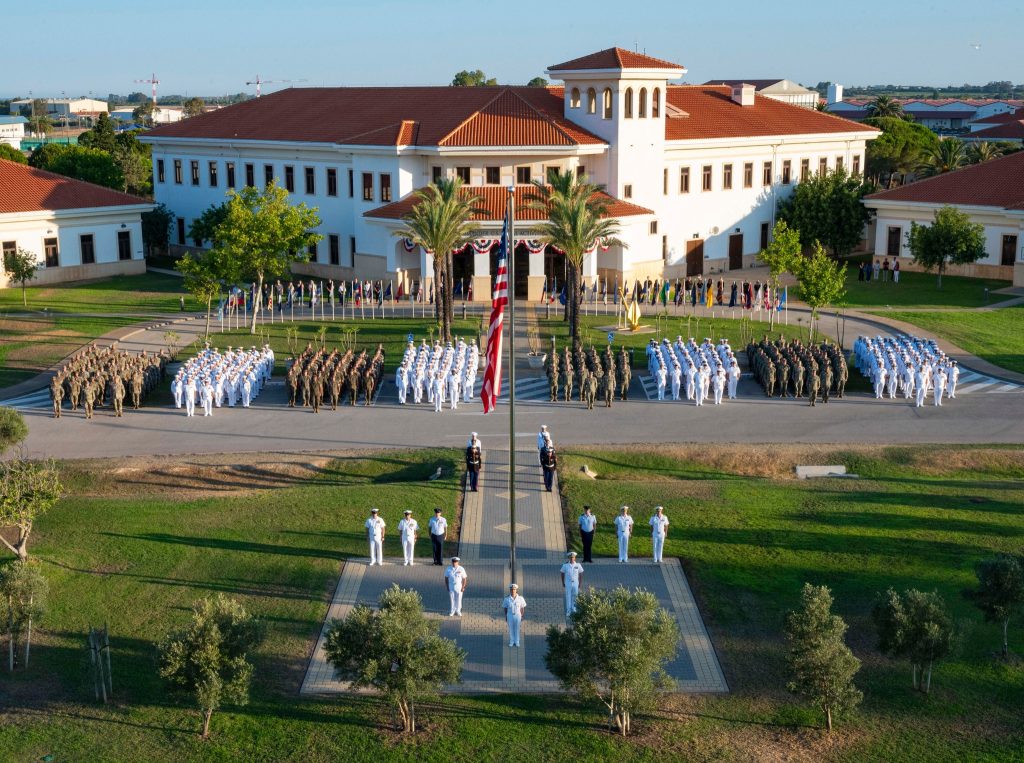
The Naval Station Rota is one of the largest joint US-Spanish military bases in Europe.
For decades, it has brought thousands of American service personnel and their families to this stretch of the Costa de la Luz, quietly creating a cultural crossover that has, incredibly, avoided overwhelming the town’s Spanish identity.
Unlike other coastal resorts that have gradually surrendered their identity to tourism, Rota still feels remarkably authentic.
The old town is wonderfully intact, with cobbled streets, shaded alleyways and colourful ceramic street signs.
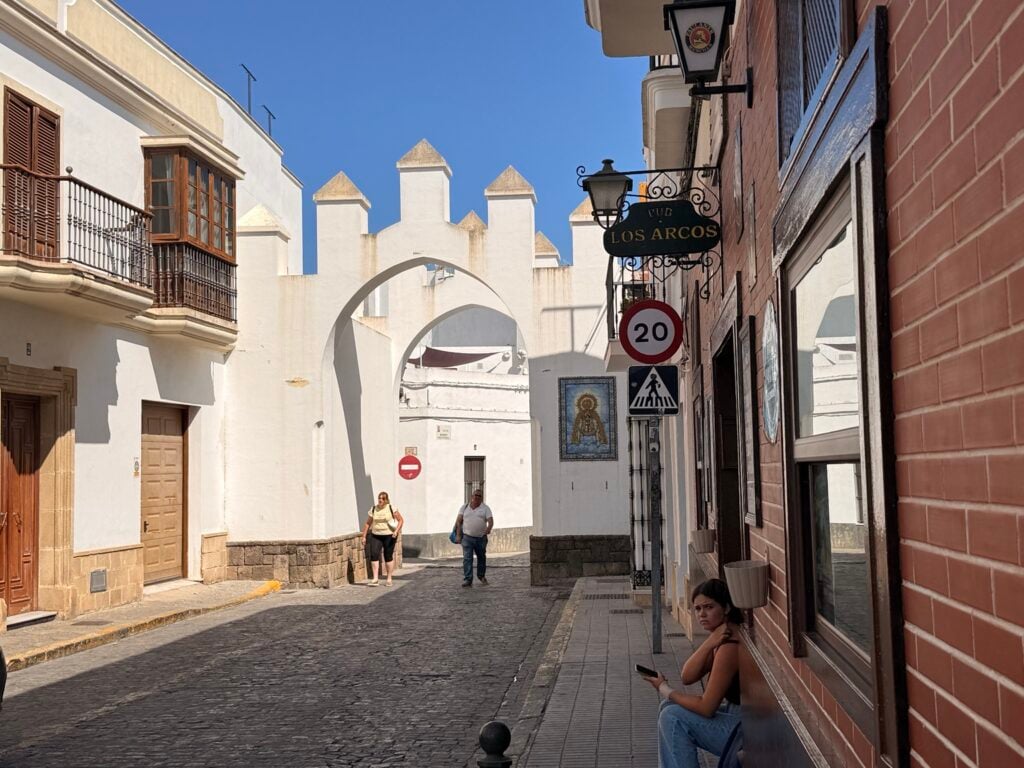
Walking through the centre is nothing but an Andaluz experience with tiny tapas bars, hidden plazas and churches appear around every corner – and that’s before you get to the beach.
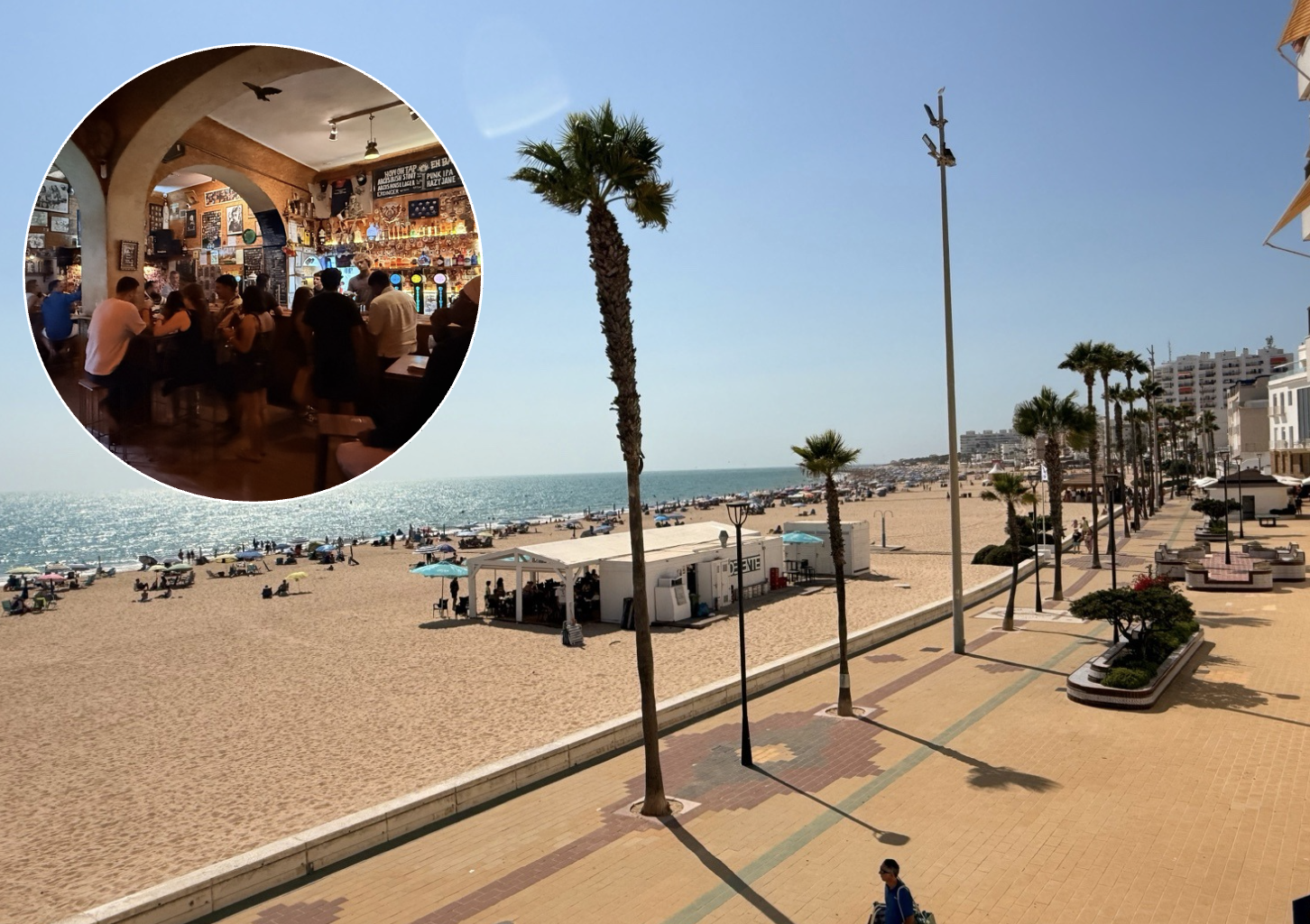
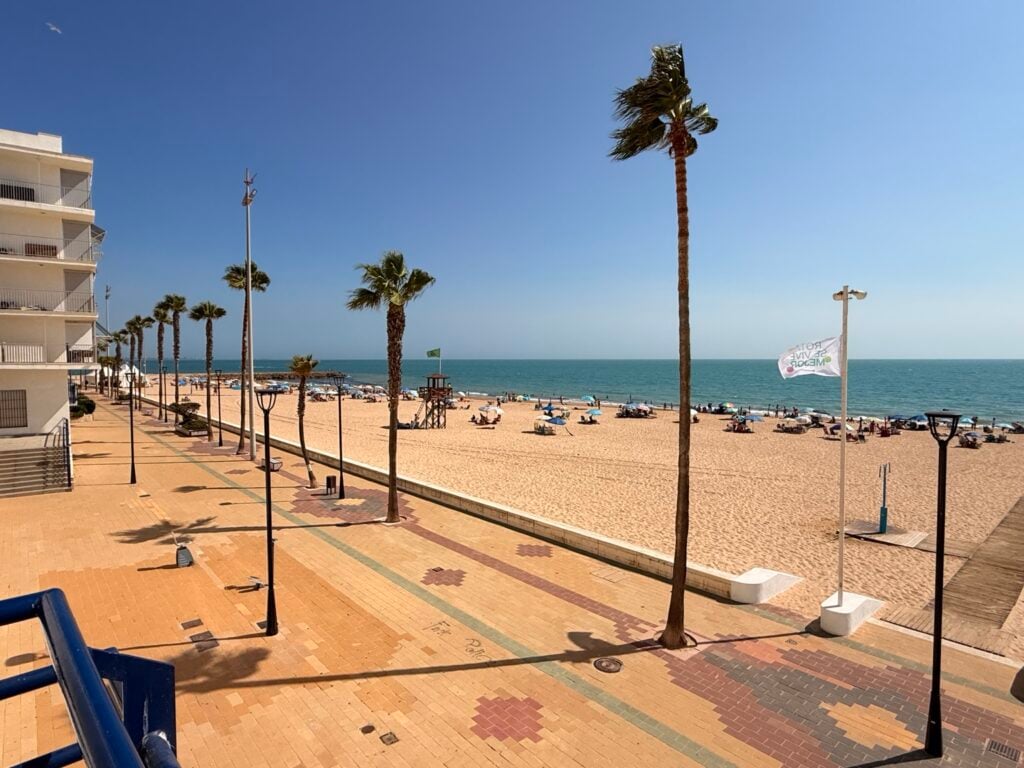
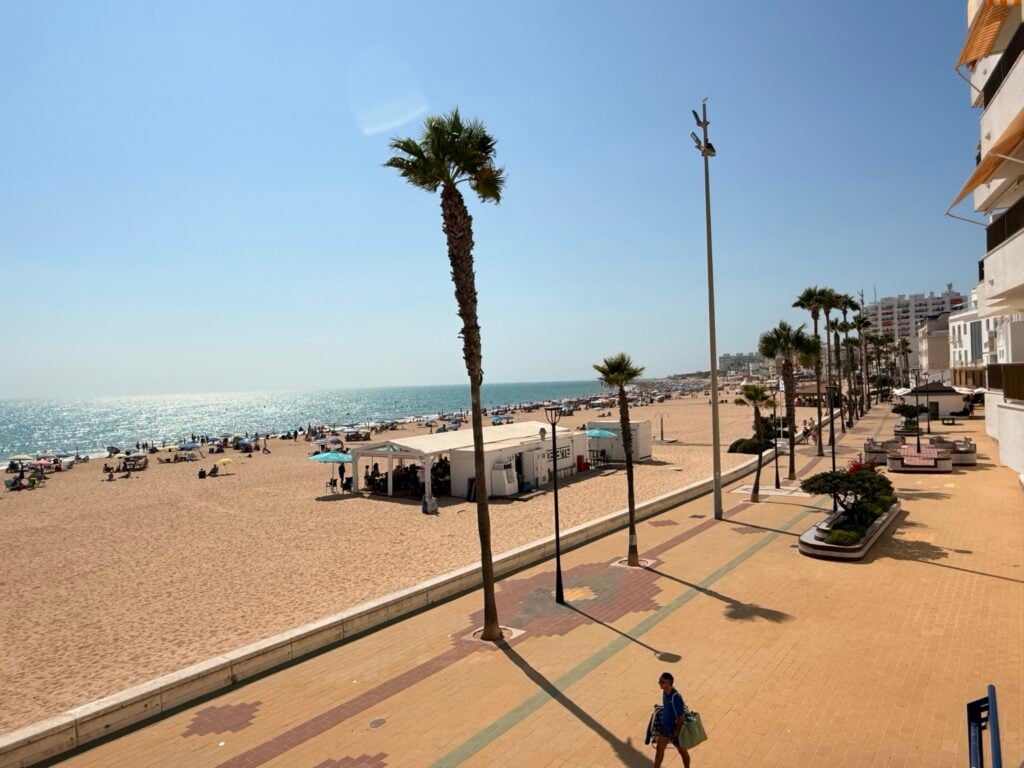
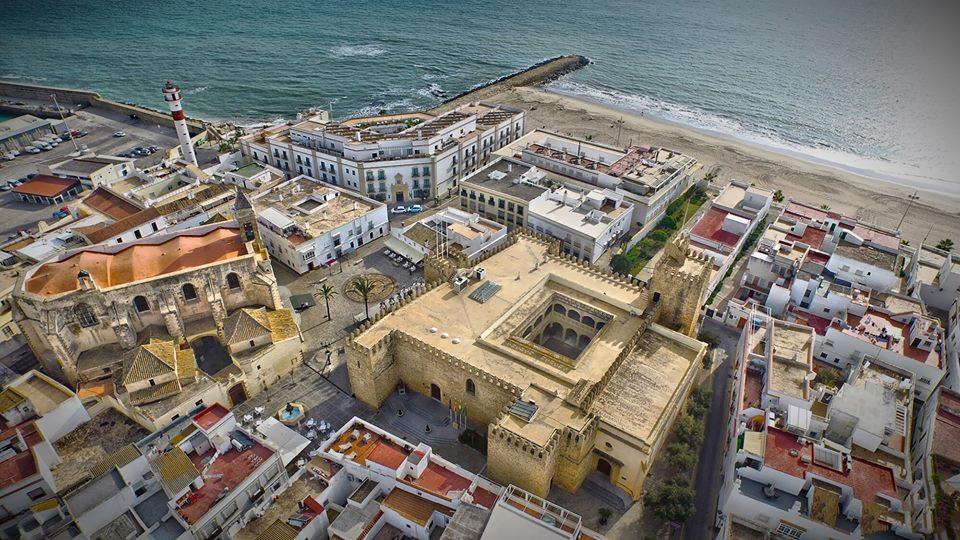
The Playa de la Costilla stretches for what feels like forever, boasting soft golden sand and crystal-clear Atlantic water.
The broad promenade is lined with palm trees and cafes, making it ideal for an evening paseo once the heat begins to fade.
Rather than becoming an American enclave, Rota has absorbed US influences into its own identity. The result is somewhere different from anywhere else in Spain.
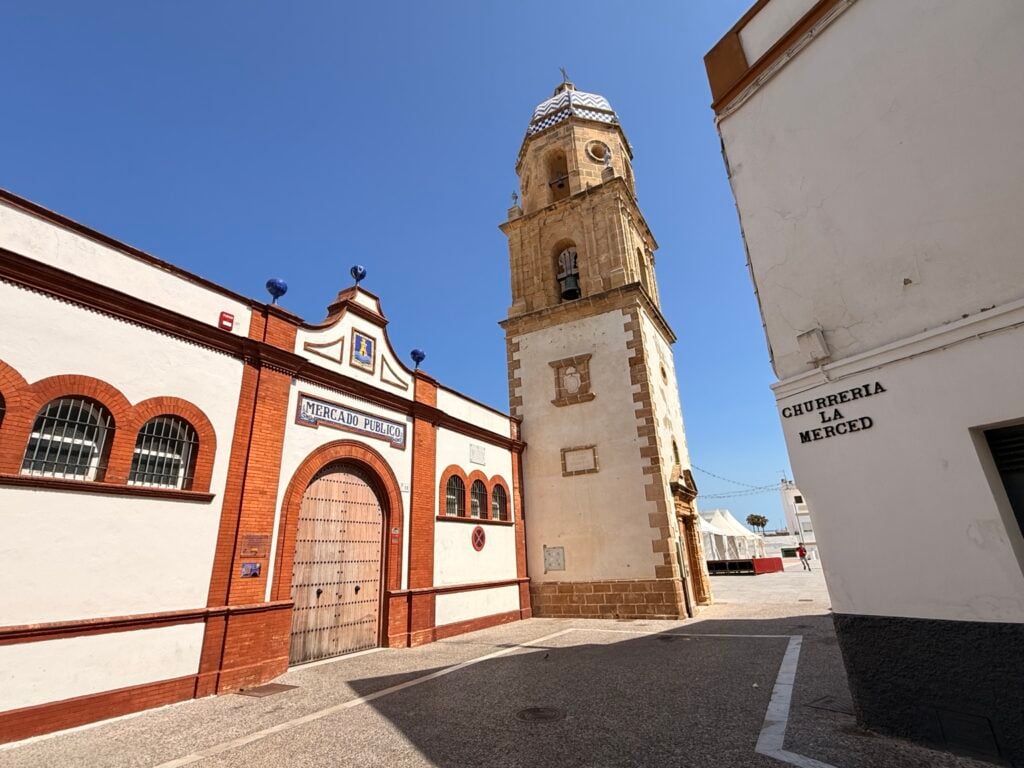
Food lovers will still find excellent local seafood, fresh tuna and classic Cadiz dishes, while those craving something from home – or across the Atlantic – certainly won’t go hungry either.
It’s also an ideal base for exploring the province. Cadiz city lies just across the bay, while Chipiona, Sanlucar de Barrameda and the spectacular beaches of the Costa de la Luz are all within easy reach.
If you’re looking for a destination that combines stunning beaches, authentic Spanish charm and one of the most unusual cultural blends in Europe, Rota should be firmly on your list.
Top sites to visit in Rota
Beyond its beaches and charming old town, Rota is home to several historic landmarks worth seeking out.
Castillo de Luna is the town’s most iconic monument. Originally built by the Moors in the 13th century, the imposing fortress dominates the historic centre and has been declared a Site of Cultural Interest (BIC). Today it houses the town hall and offers a fascinating glimpse into Rota’s medieval past.
To discover one of Rota’s oldest traditions, visit the Mayeteria Centre, which celebrates the town’s agricultural heritage. Here, visitors can learn about the lives of the mayetos – the local farmers who cultivated the fertile land surrounding Rota for generations using traditional methods.
Another highlight is the Parish Church of Nuestra Senora de la O, an impressive church built between the 16th and 17th centuries. Its architecture blends Gothic, Isabelline and Baroque styles, reflecting the different eras during which it was constructed.
Also worth a stop is the Church of La Caridad, also known as the Church of San Juan Bautista. Dating from the 18th century, it is one of Rota’s finest examples of Baroque architecture and remains an important part of the town’s religious and cultural heritage.
A brief history of Rota
Rota’s history stretches back more than 2,500 years. It is believed to have originated as a Tartessian settlement before later becoming associated with the Phoenician town of Astaroth, thanks to its strategic position on Cadiz’s Atlantic coast.
During the Roman era, the area is thought to have housed workshops producing the clay amphorae used to transport the famous salted fish products of Roman Cadiz across the empire.
The town was conquered by Christian forces in 1264 during the Reconquista. In 1295, King Sancho IV granted Rota to Alonso Perez de Guzman, better known as Guzman el Bueno, in recognition of his military achievements defending Tarifa. It later became part of the powerful House of Arcos, remaining under feudal rule until Spain’s lordship system was abolished in the first half of the 19th century.
Rota also endured its share of conflict. In 1702, during the War of the Spanish Succession, an Anglo-Dutch force sacked the town, destroying many of its historic monuments. It was plundered again in 1811 by French troops during the Peninsular War.
The modern chapter of Rota’s history began in 1953 with the construction of the Naval Station Rota, a joint Spanish-American military base that remains one of the most important in Europe. It has transformed the town into the uniquely cosmopolitan destination it is today, blending traditional Andalusian life with a long-standing American presence unlike anywhere else in Spain.