
Classrooms hotter than 31C, playground surfaces exceeding 60C and children struggling through the final weeks of term in sweltering conditions.
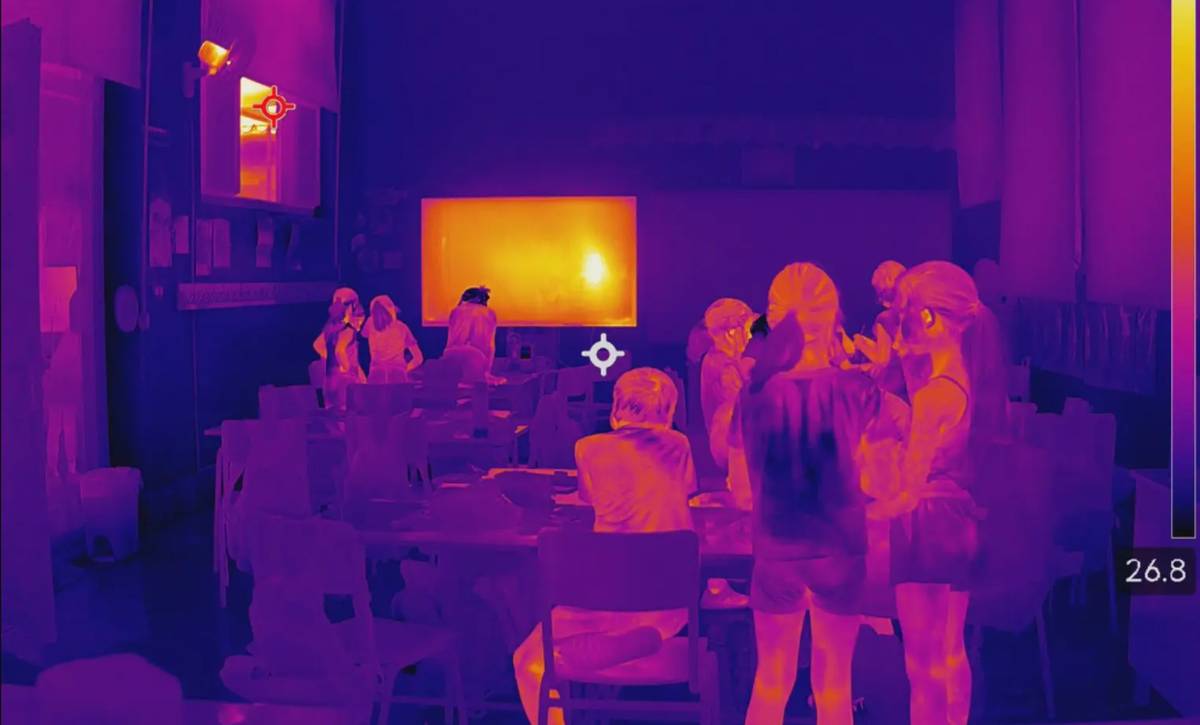
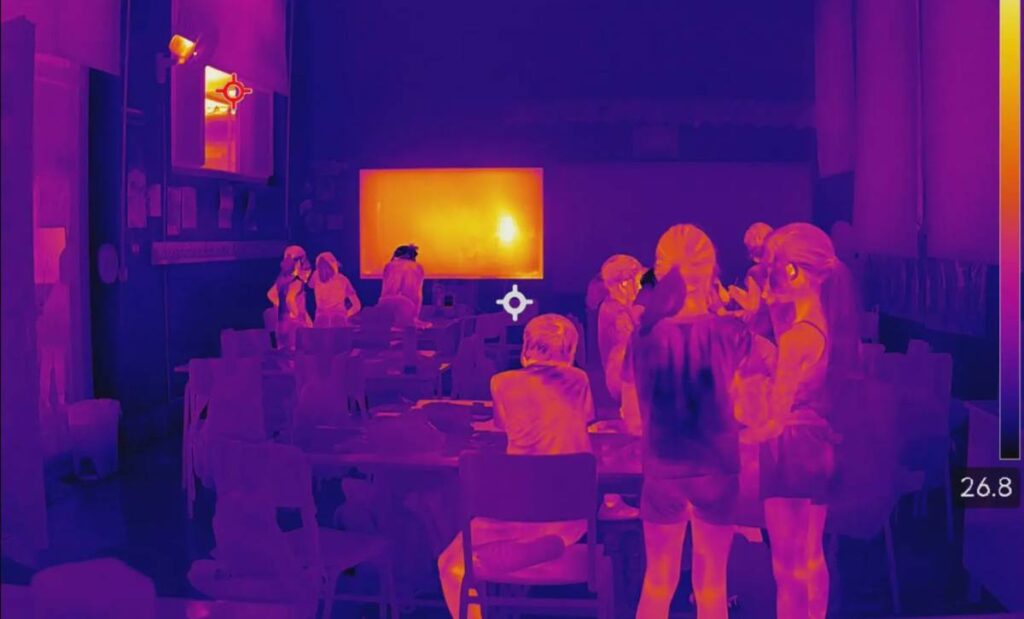
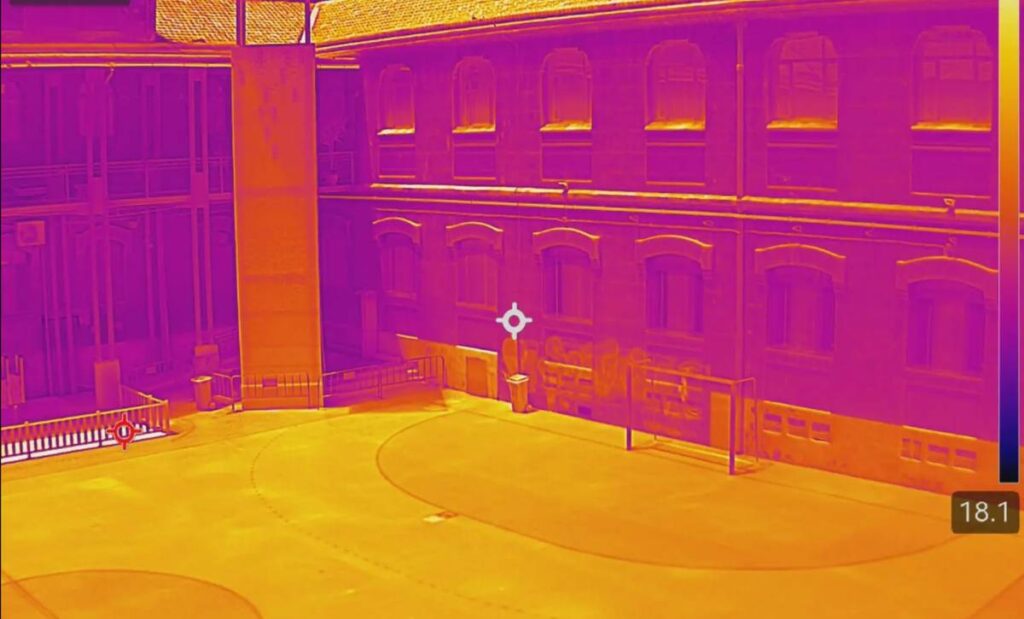
Those are some of the findings revealed by Greenpeace after the environmental organisation used thermal imaging cameras to measure temperatures inside a school in Sevilla’s Triana district.
The campaign forms part of a nationwide investigation into overheating in Spanish schools, with Greenpeace visiting six educational centres across Spain to document the impact of rising temperatures on pupils and staff.
Playground surfaces hotter than 60C
According to Greenpeace, thermal images taken at the Sevilla school showed temperatures above 31C in classrooms, corridors and dining areas.
Conditions outside were even more extreme.
The organisation recorded playground surfaces topping 60C, while some external walls of school buildings exceeded 35C, creating what it described as an oppressive environment for children during the school day.
Greenpeace says the findings highlight the growing challenge facing schools as climate change extends periods of extreme heat across southern Spain.
Learning suffers above 24C
The organisation cited scientific studies suggesting that the ideal temperature for learning is between 22C and 24C.
Above 24C, academic performance gradually declines with each additional degree, while excessive heat can affect concentration, memory and comprehension.
‘Excessive heat is not a source of inspiration for anyone,’ said Greenpeace climate adaptation expert Elvira Jimenez.
‘Beyond the health risks, it affects cognitive abilities, concentration and understanding, putting the quality of education at risk.’
Children are considered particularly vulnerable to heat-related illnesses, including dehydration, exhaustion and heat stress, as their bodies regulate temperature less efficiently than adults.
Climate law ‘only applied in 6% of schools’
Greenpeace says the problem is especially concerning in Andalucia because the region already has a law aimed at adapting schools to rising temperatures.
The Bioclimatisation Law for Educational Centres, approved in 2020, was designed to improve cooling, energy efficiency and climate resilience in schools.
However, the organisation claims the legislation has only been implemented in 6.14% of Andalucia’s more than 7,000 public schools.
Luis Berraquero, Greenpeace’s Andalucia coordinator, accused the regional government of dragging its feet.
‘The Junta has spent six years delaying its obligations,’ he said.
He argued that most interventions have been limited to installing adiabatic cooling systems and that many schools still lack the improvements promised under the legislation.
Heatwaves arriving earlier
Greenpeace also warned that the issue extends beyond a few hot days at the end of June.
According to the organisation, summer-like temperatures are now arriving around five weeks earlier than in previous decades, with intense heat increasingly affecting May and June and often continuing into September.
That means pupils are spending a growing portion of the academic year studying in uncomfortable or potentially unsafe conditions.
The group is calling for greater investment, energy audits for schools, specialist climate adaptation managers and a clear timetable for upgrading educational centres across Andalucia.
It also argues that disputes over whether responsibility lies with regional governments, local councils or the central government should no longer be used as an excuse for delays.
Read more Andalucia news at the Spanish Eye.