
A man in his 40s has been placed in a specialist isolation unit in Sevilla amid fears he may have contracted Crimean-Congo haemorrhagic fever (CCHF).
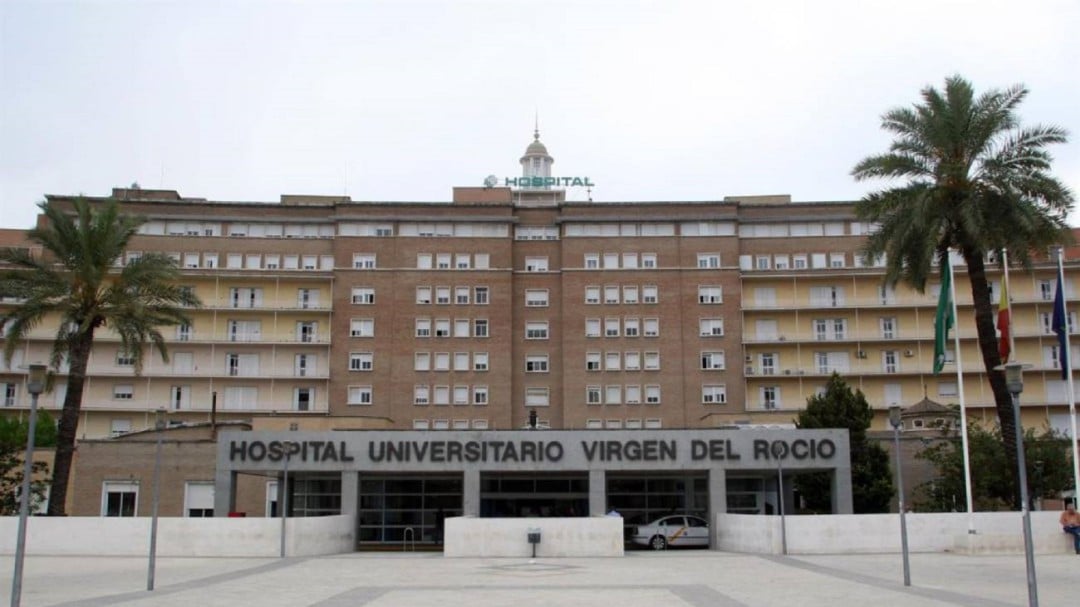
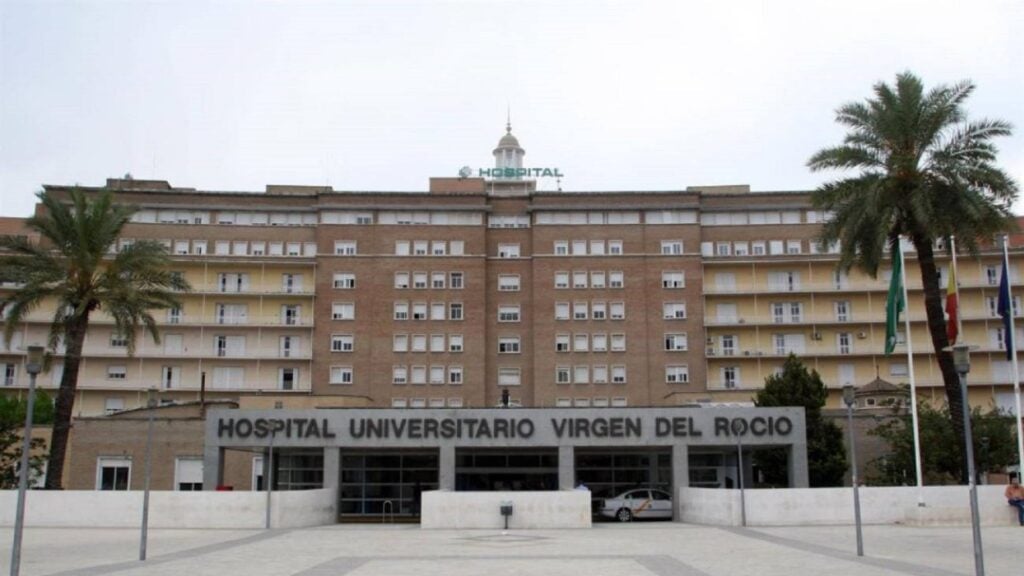
The patient was transferred under a major health and police operation on Tuesday evening from the Virgen Macarena Hospital to the Virgen del Rocio Hospital, which houses Andalucia’s specialist High-Level Isolation and Treatment Unit (UATAN).
Health officials stressed that the man is currently only a suspected case and that a diagnosis has not yet been confirmed.
The Junta’s health department said doctors are carrying out a series of tests to determine which infectious disease the patient is suffering from.
Nevertheless, maximum precautions have been activated because of the potentially serious nature of CCHF and the risks associated with direct exposure to the blood or bodily fluids of an infected patient.
The transfer began shortly after 6pm, with the patient transported in a specially designed isolation capsule brought to Sevilla from Cadiz.
The convoy reportedly consisted of a Local Police patrol car clearing the route, followed by a 061 command vehicle, the ambulance carrying the patient and a second ambulance travelling as backup.
Officers temporarily controlled junctions along the route to minimise stops between the two hospitals, while healthcare workers involved in the operation wore high-level personal protective equipment.
Tests underway
Once inside the Virgen del Rocio, microbiologists began carrying out initial tests to establish whether the patient is infected with CCHF or another infectious disease.
Samples can subsequently be sent through Spain’s specialist laboratory network for confirmation, including to the National Microbiology Centre at the Carlos III Health Institute in Madrid.
Special protocols govern the handling and transportation of such samples to minimise any risk of accidental exposure.
The Virgen del Rocio is equipped to deal with precisely this type of situation.
Its UATAN was established in 2014 amid the international Ebola crisis and is located within the hospital’s infectious diseases department.
The specialist facility can completely isolate a patient from the rest of the hospital and includes negative-pressure rooms, HEPA air filtration, sealed doors and windows, external monitoring systems and dedicated areas where medical staff can safely put on and remove protective equipment.
It is one of only seven such specialist units in Spain.
Tuesday’s case is reportedly the third suspected case of Crimean-Congo haemorrhagic fever to be admitted to the Sevilla unit.
In 2024, a 46-year-old Sevilla resident was admitted with symptoms compatible with the disease, but subsequent tests ruled it out.
A 74-year-old woman transferred from the Hospital Valle de los Pedroches in Pozoblanco in 2019 also ultimately tested negative.
What is Crimean-Congo haemorrhagic fever?
Crimean-Congo haemorrhagic fever is a potentially severe viral disease transmitted principally through the bite of an infected tick.
Ticks belonging to the Hyalomma genus are particularly associated with transmission, while humans can also become infected through contact with the blood or tissues of infected animals.
Human-to-human transmission is possible but much less common and generally involves direct contact with the blood, secretions or other bodily fluids of a symptomatic patient.
It is not generally spread through casual everyday contact.
Symptoms can begin suddenly and include fever, severe headaches, muscle pain and dizziness. Patients can also develop nausea, vomiting and diarrhoea, while more severe cases can progress to haemorrhaging and multi-organ complications.
Following a tick bite, the incubation period is usually between one and three days, although it can extend to nine.
Spain has recorded locally acquired cases of CCHF in recent years, with the virus established in some tick populations in parts of the country.
Andalucia has had a specific surveillance and response protocol for the disease since 2016.
For now, however, authorities have not confirmed that the Sevilla patient has CCHF.
He will remain under strict isolation while tests are carried out to determine the cause of his illness.