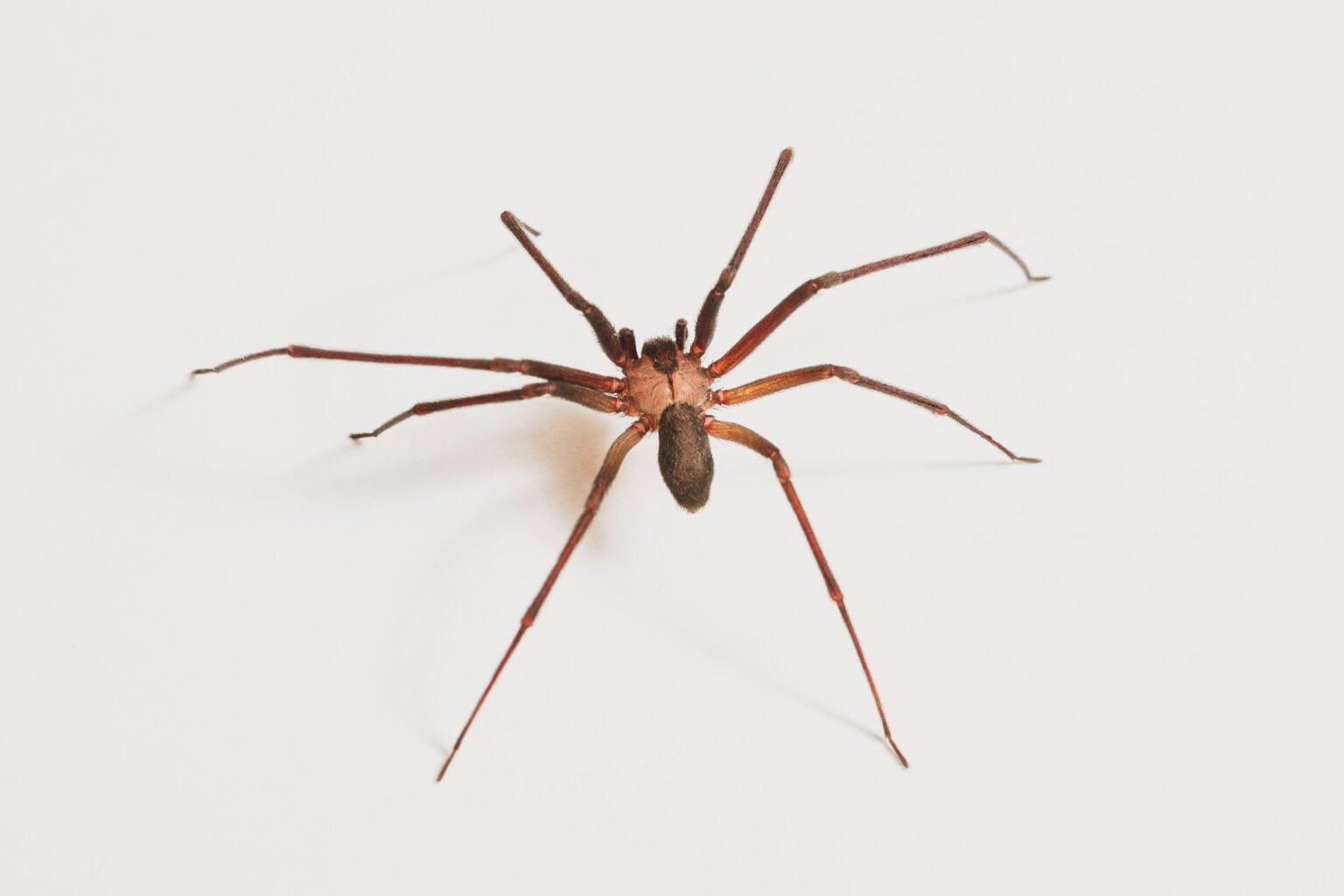

A Malaga man came close to losing his arm after being bitten by a violin spider while carrying out gardening work at a friend’s home, it has emerged.
The 37-year-old, from the seaside neighbourhood of El Palo, is still recovering after the bite triggered a severe reaction that led to tissue damage and emergency medical treatment.
According to reports, the man felt a sharp sting while working in the garden. Within minutes, the affected area began to swell and he developed a high fever of almost 39C.
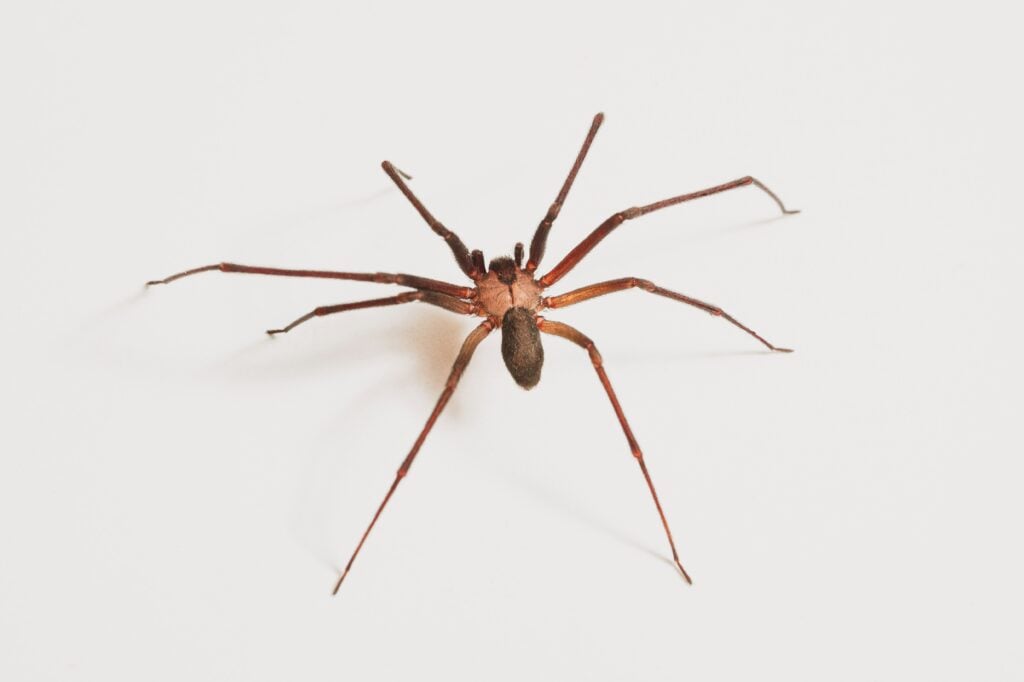
As his condition rapidly worsened, he sought medical attention, where doctors identified the culprit as a violin spider, known scientifically as Loxosceles rufescens.
Medical staff were forced to open the wound in an attempt to halt the spread of necrosis – the death of body tissue – before administering antibiotics and pain relief.
The incident has renewed attention on the little-known spider, which is native to the Mediterranean and can be found across Spain.
Despite its alarming reputation, experts stress that bites from the violin spider are rare and the species is neither aggressive nor prone to attacking humans.
However, its venom can cause a condition known as loxoscelism, which ranges from mild skin irritation to severe tissue damage. In exceptionally rare cases, it can lead to serious complications affecting larger areas of the body.
‘There have been no recorded deaths from this spider anywhere in the world,’ biologist and entomologist Mikel Alexander Gonzalez told Spanish media.
‘But there have been cases involving finger amputations, permanent scarring and long-term injuries.’
The expert said one of the biggest challenges is correctly diagnosing a spider bite.
In the US, health authorities have repeatedly warned that wounds blamed on spiders are often caused by bacterial infections such as Staphylococcus aureus, which can produce remarkably similar symptoms.
The violin spider is considered one of the medically significant spider species found in Spain, alongside certain black widow spiders.
It is a solitary, nocturnal creature that prefers dark, undisturbed places and is often found inside homes, garages, sheds, terraces and rural properties.
Experts say the species has always existed in Mediterranean countries, although it has gradually expanded its range and adapted well to urban environments.
Signs of infestation can include sightings of spiders moving along walls at night, with specialists recommending adhesive traps and regular inspections as monitoring tools.
To reduce the risk of encounters, experts advise keeping homes clean and clutter-free, sealing cracks and gaps where spiders may hide, and vacuuming regularly.
The use of insecticides should generally be reserved for serious infestations and form part of a broader pest-control strategy rather than being relied upon as a standalone solution.
Read more Andalucia news at the Spanish Eye.