
Andalucia has its own high-security isolation unit ready to respond if the growing hantavirus crisis linked to the MV Hondius reaches the region, officials have confirmed.
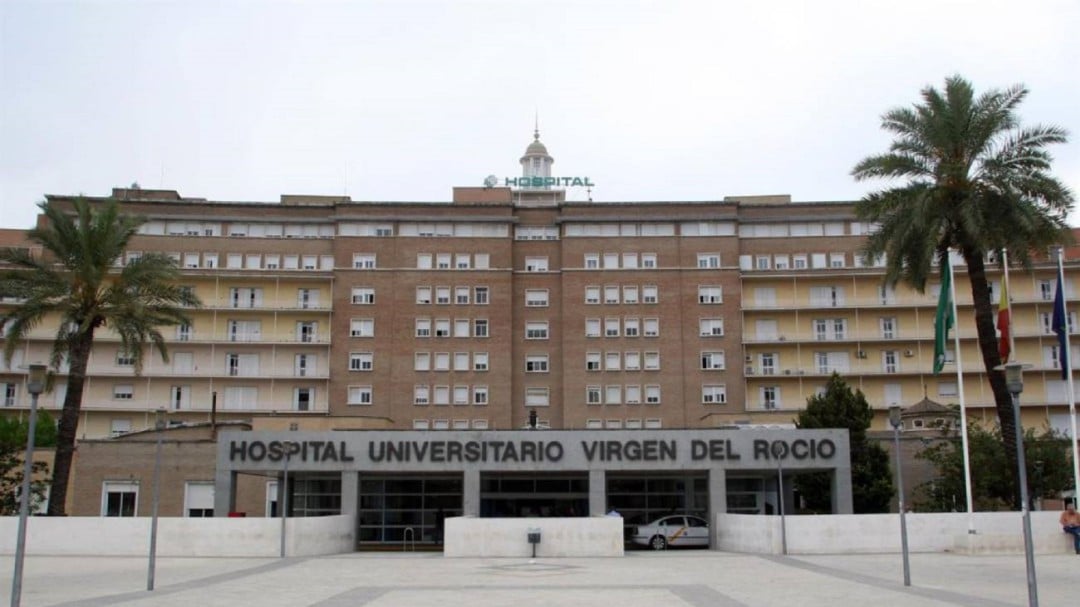
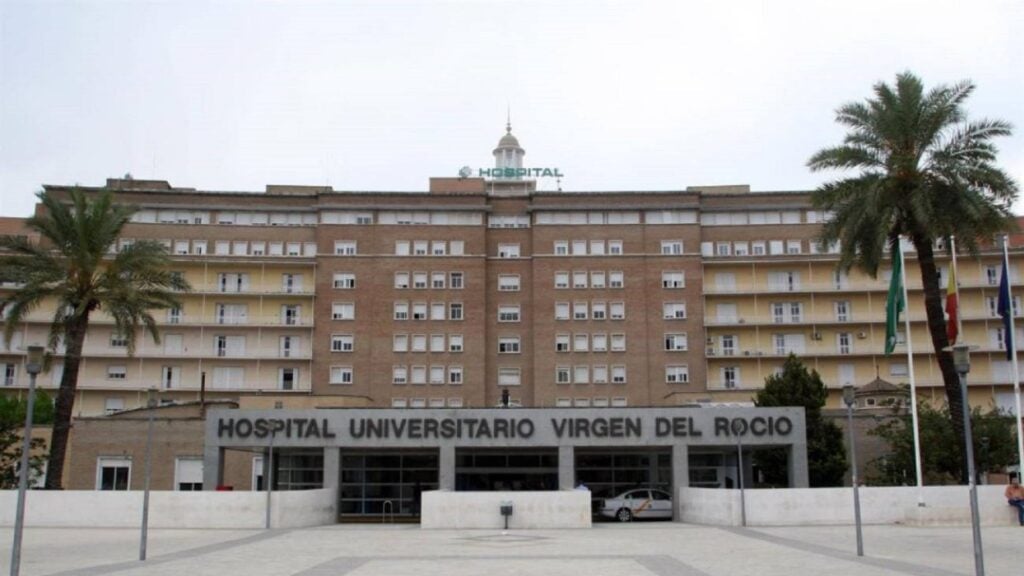
The specialist facility is located at Hospital Universitario Virgen del Rocio in Sevilla and forms part of Spain’s national network of High-Level Isolation and Treatment Units, known as UATAN.
The Sevilla hospital is one of only seven such reference centres across Spain equipped to deal with extremely dangerous infectious diseases and biological threats.
The unit was originally activated during the 2014 Ebola crisis and has remained permanently operational ever since.
During the Ebola outbreak, the facility treated a suspected case under full high-risk protocols before the infection was eventually ruled out.
Under Spain’s emergency health procedures, any suspected high-risk patient transferred to the unit would be placed in complete isolation inside a specially prepared room equipped for maximum biological containment.
All healthcare staff entering the area – including doctors, nurses, cleaners, technicians and disinfection teams – are required to wear full personal protective equipment without exception.
The Virgen del Rocio unit contains a high-complexity isolation bed specifically designed for hemorrhagic viruses and other maximum-risk infectious diseases.
Behind the facility is a multidisciplinary emergency team involving infectious disease specialists, microbiologists, intensive care staff, occupational health experts and specially trained support personnel.
The renewed focus on the unit comes as the MV Hondius continues its journey from Cape Verde towards the Canary Islands after multiple confirmed and suspected hantavirus infections onboard.
The vessel, carrying around 144 passengers and crew, is expected to arrive near Tenerife between Saturday night and Sunday morning.
Tenerife itself already has its own specialist UATAN facility at Hospital Universitario Nuestra Señora de La Candelaria, which is currently expected to oversee any immediate medical response linked to the ship.
So far, Andalucia has avoided becoming directly involved in the operation.
A previously discussed technical stop in Malaga for one of the medical evacuation aircraft was ultimately cancelled by Spain’s Ministry of Health, while Spanish passengers from the cruise are expected to be transferred to Madrid’s Gomez Ulla hospital rather than southern Spain.
Nevertheless, Juanma Moreno insisted Andalucia remains ready to assist if necessary.
‘We are here to help. Whenever there is a problem, we are there, and we have the capacity and preparation,’ Moreno said during an appearance at the Forum Europa event in Sevilla’s Hotel Alfonso XIII.
However, Moreno stressed that no Andalucians are currently among those infected and said the regional government has received no indication that any stopovers are planned in Andalucia linked to the cruise ship operation.