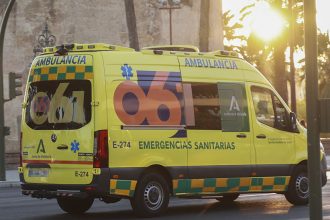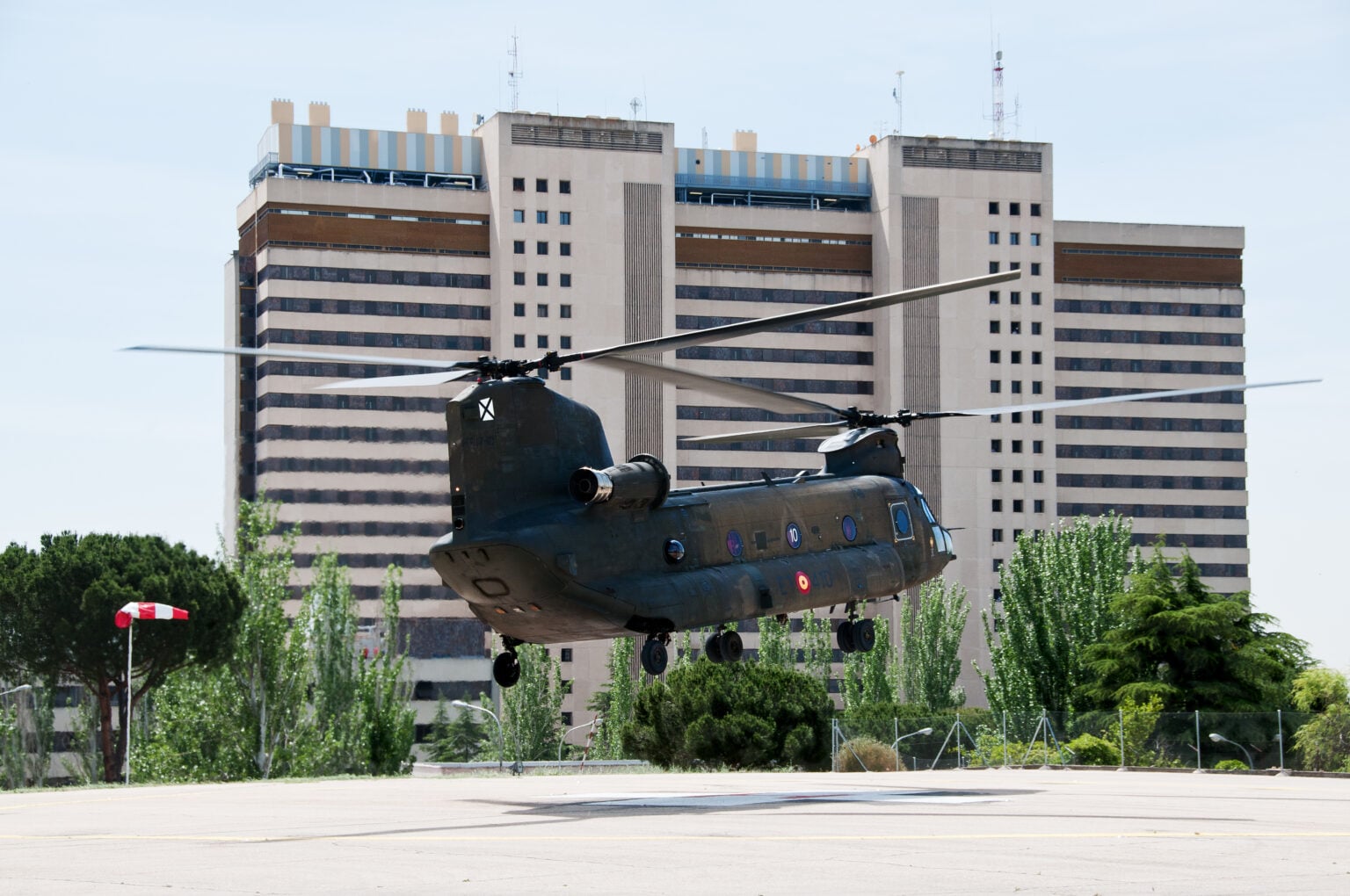

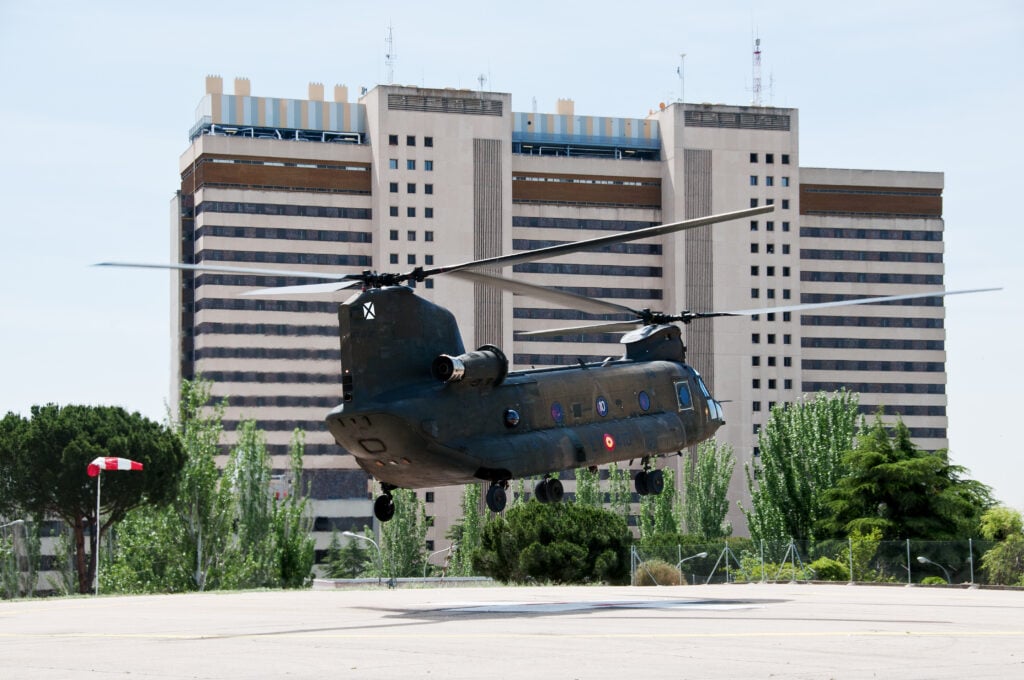
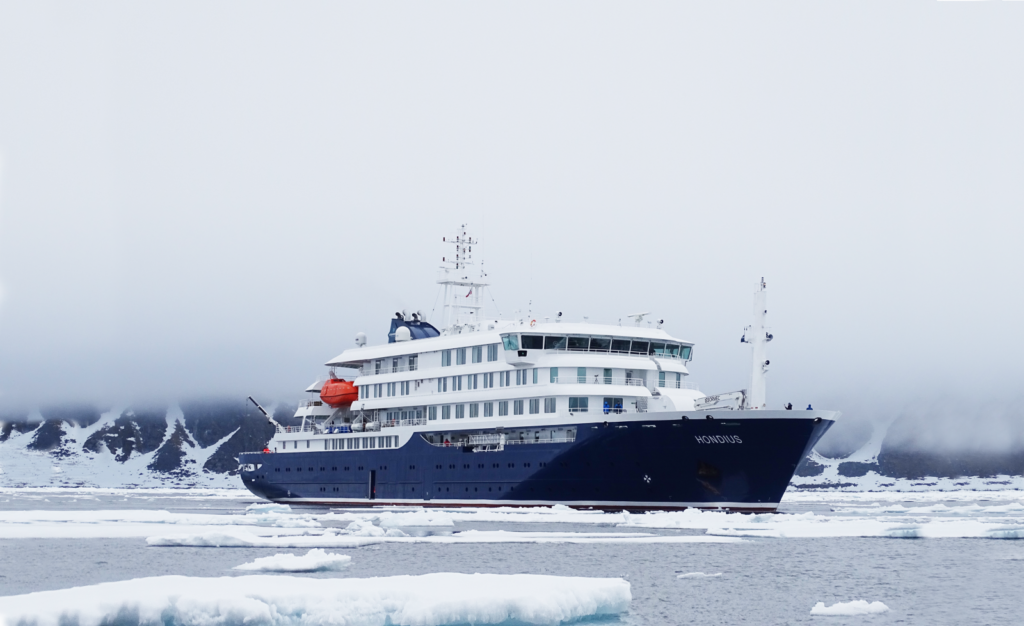
Spanish health authorities have revealed the extraordinary measures being prepared for the 14 Spanish passengers due to be transferred from the MV Hondius cruise ship.
It comes after a deadly hantavirus outbreak that has already left three people dead and triggered an international health alert.
Staff at Madrid’s military Gomez Ulla Hospital, where the passengers will be isolated and monitored, shared the first details of the operation on Friday, outlining a strict containment protocol designed to avoid any possible spread of the virus.
The measures are so extensive that the hospital is preparing to hire between 60 and 80 extra staff members to cope with the arrival of the passengers.
Although officials stressed hantavirus does not have the same pandemic potential as Covid-19, the hospital will still apply biosecurity measures similar to those used during Ebola and coronavirus outbreaks.
Specialist staff dealing with the passengers will wear full PPE equipment and operate under strict isolation protocols.
Jose Garcia, the hospital’s prevention delegate, said all procedures established by Public Health authorities would be followed while prioritising the safety of healthcare workers.
The disembarking process
While the 14 Spanish passengers are expected to be flown to Madrid aboard a military aircraft, major questions remain over how the rest of the ship’s 133 passengers and crew from 22 different nationalities will be repatriated once the MV Hondius reaches Tenerife’s waters on Sunday.
Spanish authorities have made it clear that nobody will be allowed to leave the vessel unless they are heading directly to the airport for repatriation to their home country.
To avoid contact with the local population in the Canary Islands, officials have decided the ship will not dock directly at Granadilla de Abona port.
Instead, passengers will be ferried ashore in small boats in groups of five – a process health officials admit will significantly complicate logistics.
Once on land, passengers will be taken in specially supervised vehicles directly to Tenerife South Airport, located around 10 minutes away.
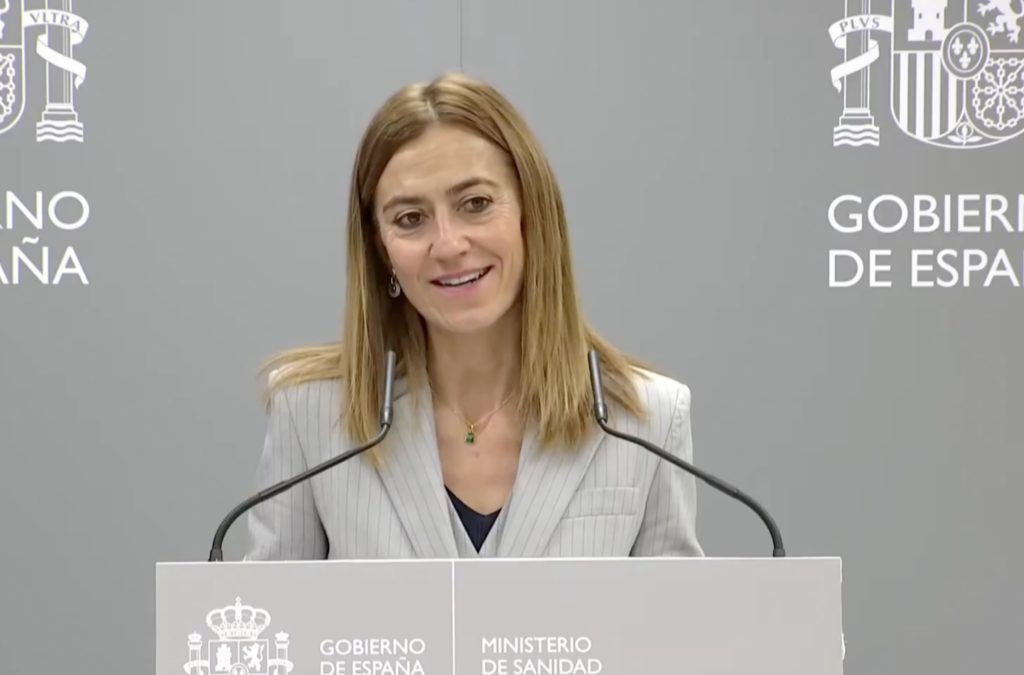
Spanish public health chief Pedro Gullon stressed that workers involved in the transfer will use protective measures adapted to the virus’s transmission risk, but insisted there would be no need for ‘astronaut suit’ style scenarios.
‘We tend to imagine extreme situations, but person-to-person transmission is quite infrequent,’ he explained.
Before disembarkation begins, all crew members will undergo medical checks to ensure they are not displaying symptoms linked to the hantavirus outbreak, which has so far infected eight people and killed three.
Several countries, including the UK, the US and multiple EU nations, are already negotiating repatriation flights with Spain.
British authorities are currently arranging transport for 19 passengers and four crew members, while the United States is working on flights for 17 passengers.
Passengers from countries that fail to reach agreements with Spain could ultimately fall under the responsibility of the Netherlands, as the ship’s flag state under maritime law.
Spanish authorities are also still studying how the vessel itself will be disinfected before eventually being transferred back to the Netherlands.
What happens after arrival in Madrid?
One of the most striking aspects of the Spanish operation is the closed transfer circuit designed for the passengers upon arrival at Gómez Ulla Hospital.
Authorities said the operation will mirror the procedures used when Covid-infected passengers were repatriated from Wuhan during the early stages of the pandemic.
The passengers will enter the hospital through a separate external access point before being transported via a sealed elevator. Every area they pass through will then be immediately cleaned and disinfected.
Initially, the passengers will not be taken directly to the hospital’s high-level isolation units. Instead, they will stay on a dedicated isolated floor created exclusively for their use.
Officials stressed the passengers will have no contact whatsoever with other hospital patients or staff outside the specialised isolation teams.
What happens if symptoms appear?
Any passenger who begins showing symptoms compatible with hantavirus will immediately be transferred to the hospital’s High-Level Isolation Unit (UAAN), located on the 22nd floor of the Madrid military hospital.
All close contacts arriving from the ship will undergo PCR testing at the start of their stay and again seven days later, with samples sent to Spain’s National Microbiology Centre for analysis.
Doctors will carry out active monitoring twice a day, recording temperatures and checking for symptoms.
If any passenger develops symptoms, they will officially move from being considered a ‘contact’ to a ‘suspected case’.
At that point, they will be transferred into an isolation room and subjected to further blood and serum PCR testing.
If respiratory symptoms appear, doctors will also carry out a nasopharyngeal swab.
Even a negative result may not end the process. Officials said if symptoms persist despite an initial negative test, another PCR will be conducted 24 hours later.
If symptoms continue without another diagnosis being identified, tests will then be repeated every 48 hours while Spain’s high-risk infectious disease network remains on standby.
How long will quarantine last?
One of the biggest unknowns remains the length of the quarantine period for the Spanish passengers.
Health authorities are currently studying the incubation period of the Andes variant of hantavirus – the only known strain capable of human-to-human transmission and the one detected aboard the cruise ship.
The virus can incubate for up to 45 days, although experts believe the most contagious period generally occurs around 48 hours before and after symptoms begin, which usually resemble those of a respiratory infection.
Spanish officials hope the passengers will voluntarily comply with quarantine orders. However, the Ministry of Health is also preparing legal measures in case any passenger refuses to isolate.
Authorities say Spain’s public health laws give the government power to impose mandatory quarantines when dealing with international health threats.
Under Organic Law 3/1986, officials can order ‘hospitalisation, control or quarantine’ measures for infected individuals and their close contacts.
Any compulsory quarantine restricting fundamental rights would still require judicial authorisation.