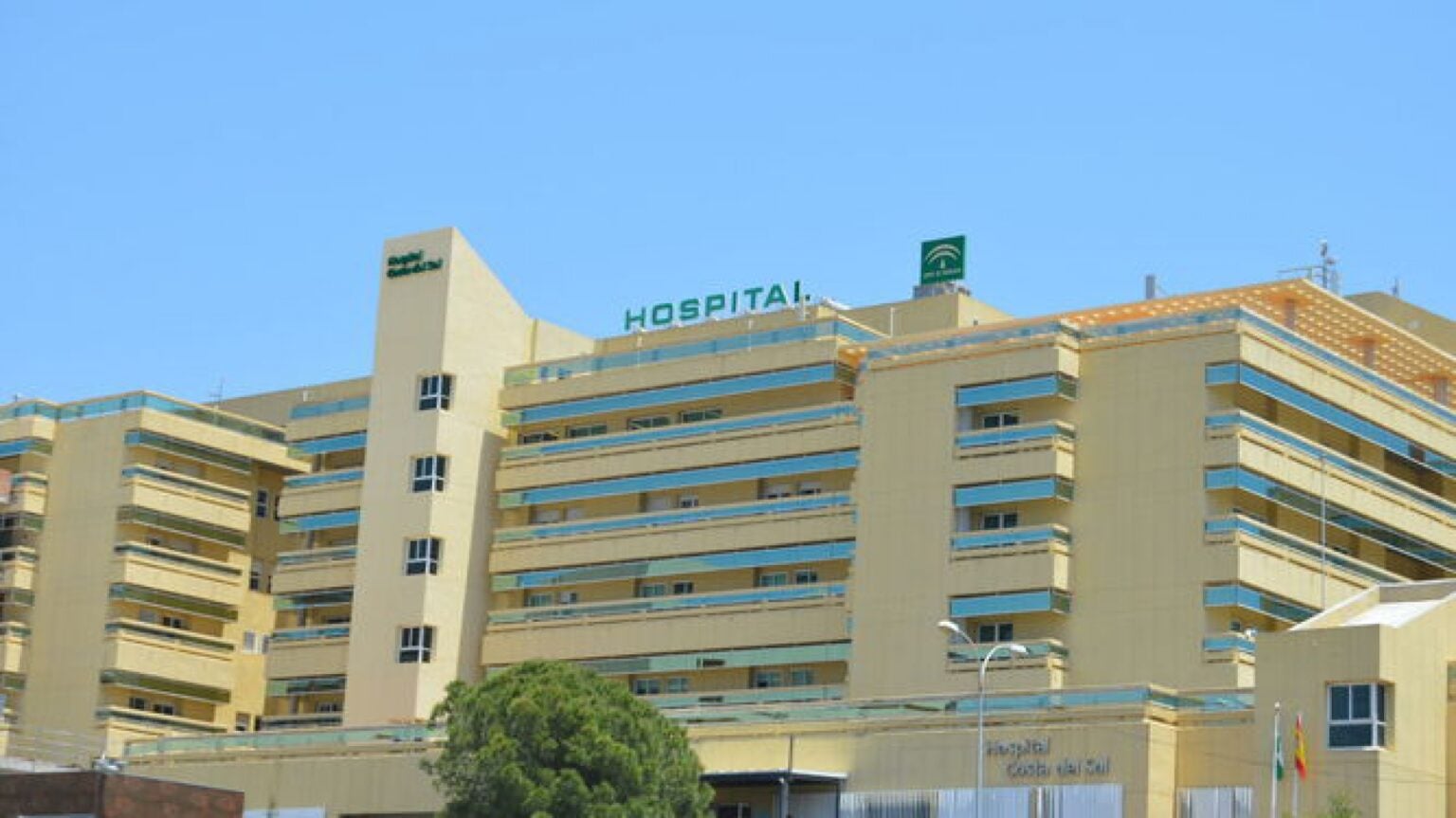

A building seized as part of an infamous corruption trial could be converted into accommodation for hospital workers in Marbella, it has emerged.
It comes after reports of dozens of Hospital Costa del Sol workers being forced to live in their cars and caravans due to unaffordable rents in the tourist city.
Following public outcry, Marbella City Council is now proposing to transform an abandoned building linked to corruption kingpin Juan Antonio Roca into accommodation for healthcare workers.
Marbella’s Partido Popular-led council plans to formally present the idea during May’s municipal plenary session.
The abandoned building, located beside the hospital on Avenida Modesto Abril, was originally constructed illegally during the Marbella corruption era.
It was later recovered by the council as compensation linked to the notorious Caso Saqueo 2 investigation.
The unfinished property has stood abandoned for years and has at times reportedly been occupied by homeless people.
Council spokesperson Felix Romero said the building could provide an important solution for healthcare staff struggling with soaring housing costs in the city.
‘We are aware there is a very significant problem,’ Romero said, acknowledging that Marbella’s status as a major luxury tourist destination has driven housing prices to extreme levels.
The proposal revives several previous attempts to repurpose the building.
In 2023, the site was considered for a nursing school, while in 2018 it was proposed as a future City of Justice building.
However, each project has reportedly faced obstacles because of the building’s proximity to the A-7 motorway.
Under Spain’s Roads Act, strict construction and usage limits apply near major highways unless exceptional authorisation is granted by the state.
Romero claimed Marbella has repeatedly encountered opposition from the national roads authority whenever attempts have been made to use the property.
Nonetheless, he argued the law allows exceptions in extraordinary cases and insisted the current housing difficulties facing hospital workers justify such a measure.
‘It could be the perfect solution to guarantee accommodation for many professionals who are posted here but do not have housing locally,’ he said.
According to the council, the building is already around 80% complete, meaning the project could potentially move forward relatively quickly if authorisation is obtained.
The exact type of accommodation has not yet been decided, with Romero saying discussions would eventually need to take place with the Junta de Andalucia, which oversees the public health system.
In recent months, stories of healthcare staff sleeping in camper vans and vehicles near the hospital have intensified pressure on authorities to find urgent solutions.
Read more Andalucia news at the Spanish Eye.