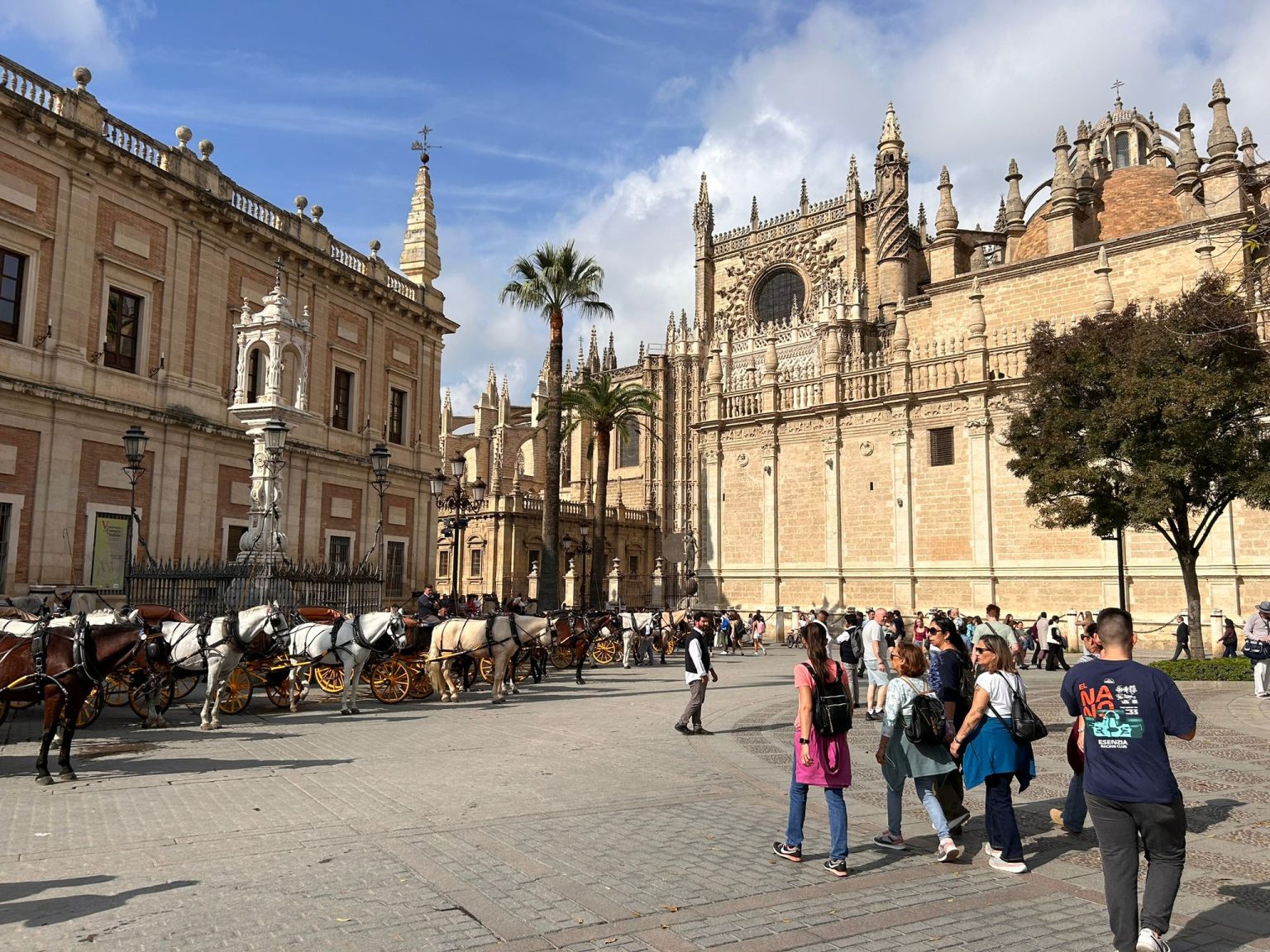
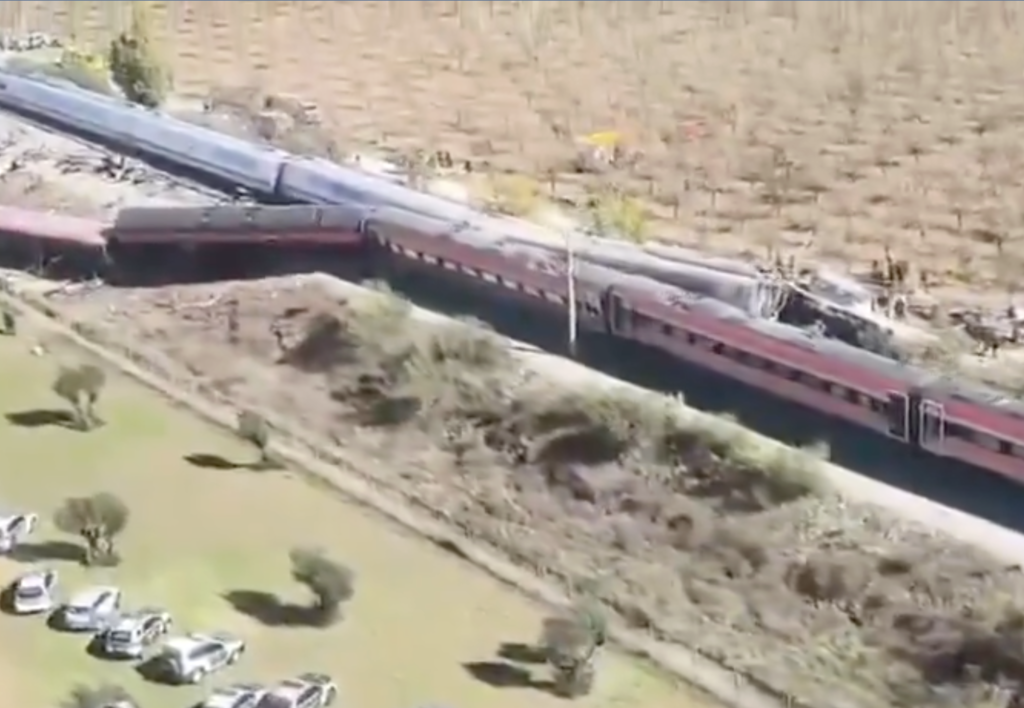
Andalucia’s tourism industry faces a serious economic blow following the Toledo rail disaster, travel agencies have warned.
Jose Manuel Lastra, president of the Confederation of Travel Agencies (CEAV), said the Madrid-Andalucia rail corridor is vital for both tourism and business travel.
Speaking to Radio Sevilla on Sunday, he warned that agencies and tour operators expecting large numbers of departures would be badly affected by the suspension of services.
The immediate impact is already being felt over the All Saints’ holiday weekend, he said.
Further disruption could extend through November and potentially affect the December bank holiday and Christmas.
Much will depend on how quickly services resume and how long passengers take to regain confidence in high-speed rail.
Lastra said the industry had already experienced a significant fall in demand after the earlier Adamuz disaster. Following the collision near Urda, he fears another decline that could be even sharper.
He called for a thorough review of Spain’s railway operations, particularly high-speed services.
‘Spanish high-speed rail has always offered the highest levels of safety, and it has to do so again,’ he said.
‘We are demanding that the Transport Ministry take the necessary measures so travellers can once again have complete confidence in Spanish high-speed rail.’
Lastra stressed that the human tragedy must come first, but warned of substantial economic consequences for businesses dependent on reliable connections between Madrid and southern Spain.
Additional flights and coach services will be unable to replace the thousands of daily seats normally available on high-speed trains serving cities including Sevilla, Malaga and Granada, he said.
Lastra thanked airlines for adding capacity and introducing fare caps, while warning that those measures would not fully meet demand.
The CEAV president also defended the opening of Spain’s rail market to competing operators, saying it had benefited passengers, travel agencies and tourism businesses.
However, he insisted that increased competition must be accompanied by adequate scrutiny of the infrastructure.