
A Cambridge scientist has been confirmed among those killed in the Toledo rail disaster.
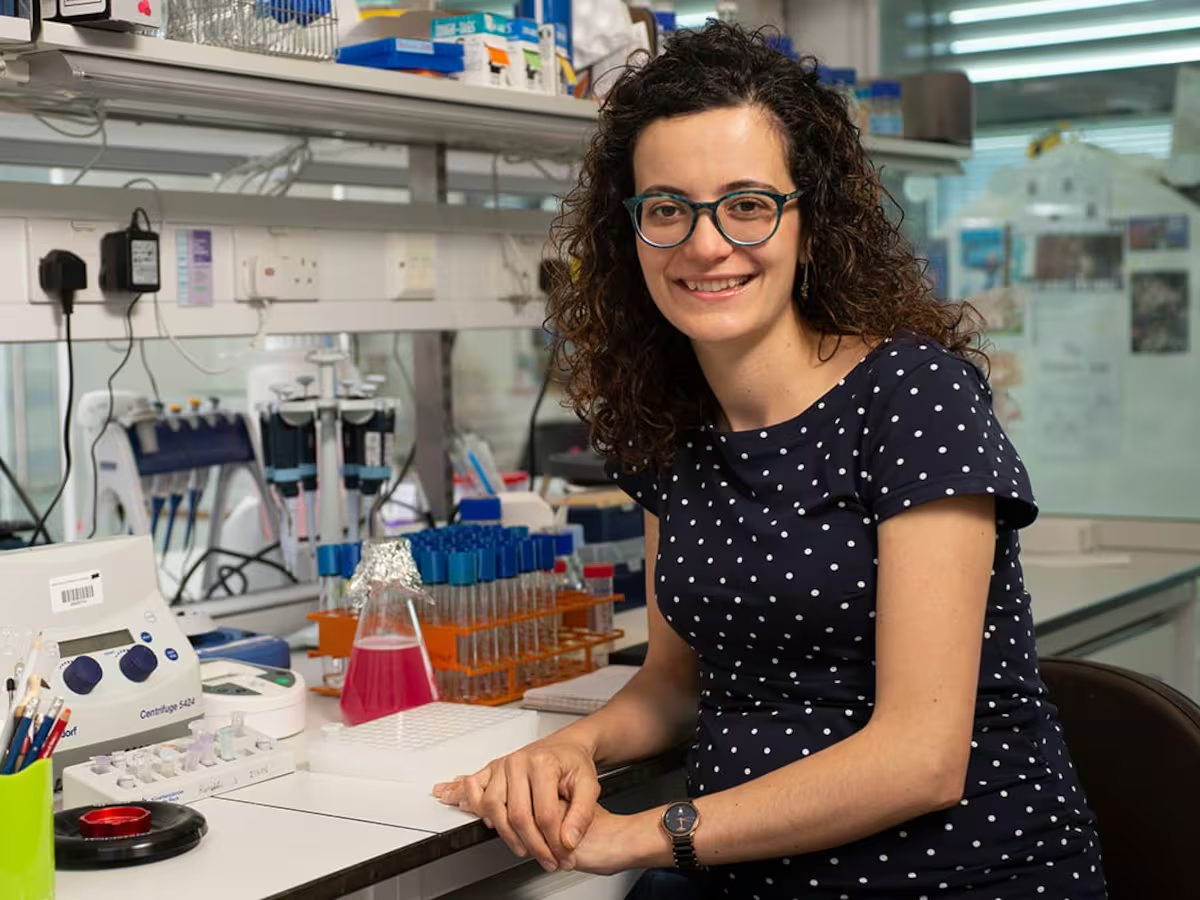
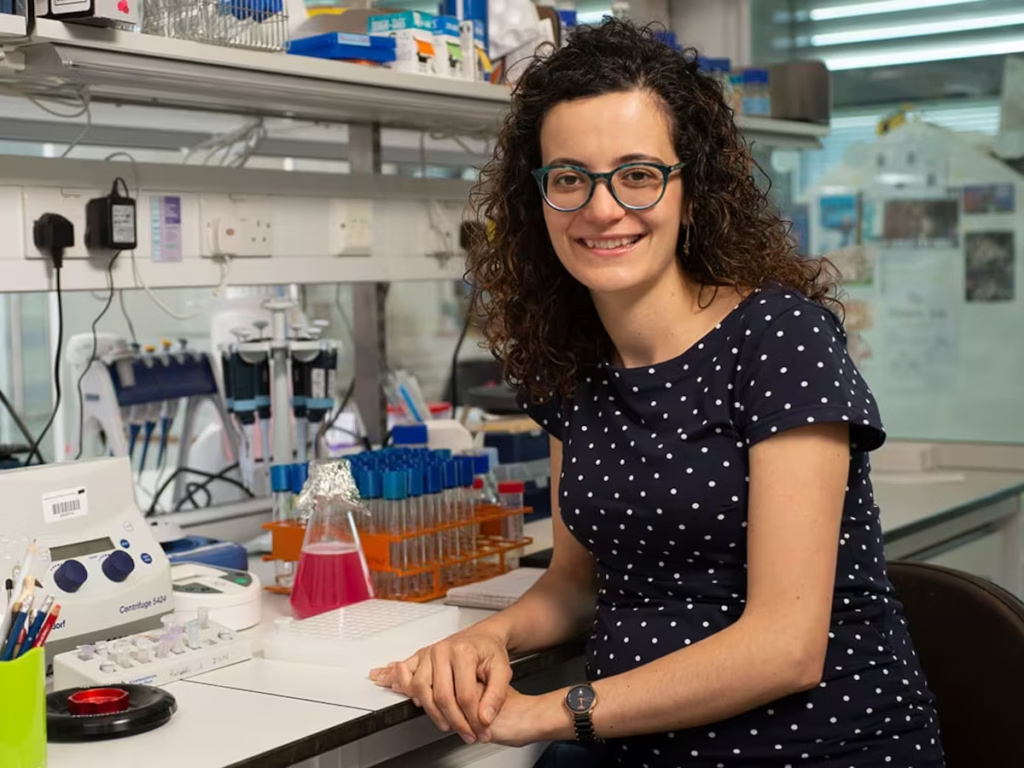
Mother-of-two Marta Shahbazi Alonso, 41, was travelling to Huelva to receive an award recognising her contributions to developmental biology.
She was on the Renfe AVE train when it collided with an Iryo service near Urda on Wednesday morning.
The Spanish scientist, who had family roots in Leon, led a research group at Cambridge’s Laboratory of Molecular Biology.
She had been due to collect the 2026 Jose Luis Gomez-Skarmeta Prize at a Spanish Society for Developmental Biology congress in El Rompido, Huelva.
According to The Sunday Times, her family received official confirmation of her death on Saturday.
Her brother Carlos Shahbazi, also a researcher, described how the family had recently spent time together in Madrid.
‘We had just all had dinner together,’ he said.
Her two young children had been due to travel to the coast on Saturday to meet their mother. Instead, they remained in Madrid with their father.
‘We have barely told them anything,’ her brother said.
Leon’s provincial council issued a statement on Sunday mourning Shahbazi, whose relatives live in Carrizo de la Ribera.
Her death marks the loss of a prominent researcher whose work helped advance understanding of the earliest stages of human development.
She began her career at Madrid’s Autonomous University before completing a doctorate at Spain’s National Cancer Research Centre, known as CNIO. Her doctoral research examined the mechanisms that maintain the shape and integrity of epidermal stem cells.
She moved to the University of Cambridge 12 years ago and had led her own group at the Laboratory of Molecular Biology since 2020.
Among her most significant contributions was research enabling human embryos to be maintained in the laboratory beyond the stage when implantation in the womb would normally occur.
That work opened new opportunities to study the cellular and molecular processes involved in early embryonic development.
Her achievements earned her several honours, including the 2019 3Rs Prize for research offering ways to replace and reduce the use of mice in developmental biology.
She was also recognised with the 2026 Emerging Talent Award from the Society of Spanish Researchers in the United Kingdom.