
A heavily armed drug-trafficking ring has been smashed following a series of dramatic raids in Malaga and elsewhere in Spain.
Policia Nacional officers arrested 15 suspected members of the network and seized more than 2.7 tonnes of cocaine alongside 800 grams of ‘tusi’, the synthetic cocktail commonly known as pink cocaine.
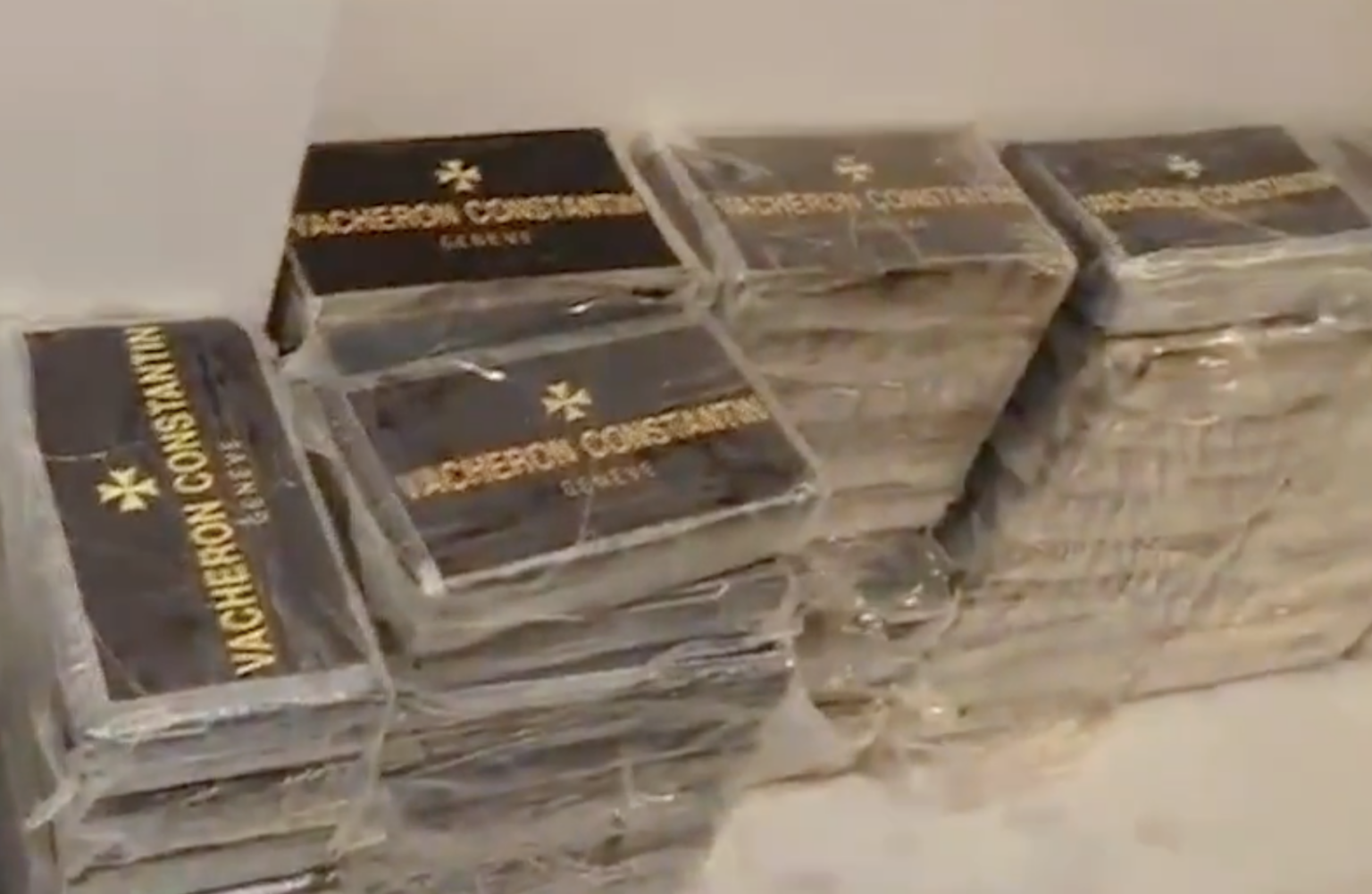
Dramatic police footage shows heavily armed officers storming properties linked to the gang and uncovering huge quantities of drugs.
Two handguns, 37 vehicles, €13,800 in cash and a collection of expensive watches and jewellery were also seized or embargoed during the operation.
Investigators additionally froze cryptocurrency holdings, bank accounts, other financial products and property allegedly connected to the criminal organisation.
Twelve of the 15 suspects were remanded in custody after appearing before a judge.
The investigation began in 2025 following intelligence received through international police cooperation.
Detectives were told that a Spain-based organisation was importing huge quantities of cocaine before distributing the drug domestically and exporting it to other European countries.
Police described the group as highly organised and said several of its suspected members were related to one another.
These family connections strengthened trust within the network and made it more difficult for outsiders to infiltrate its operations.
The gang is said to have had the logistical capacity to move large drug consignments across Spain and internationally.
Members allegedly used a fleet of high-end vehicles, many registered in the names of frontmen, to transport drugs and conduct counter-surveillance.
A network of businesses linked to the automotive sector reportedly gave the suspects access to numerous vehicles.
Police said the companies were also used to provide employment contracts to other members, helping them remain in Spain and become part of the organisation’s trusted inner circle.
Detectives observed frequent journeys between the Costa del Sol, the Campo de Gibraltar, eastern Spain, Cataluña and Madrid.
On some occasions, suspects allegedly travelled hundreds of kilometres only to spend a few minutes at their destination.
Convoy travelled at more than 200km/h
The organisation’s activities appeared to slow while several members were outside Spain, but detectives detected a renewed flurry of journeys in April 2026.
During one operation, suspected members of the group travelled more than 2,000km in a single day using several luxury vehicles and what police described as extreme security measures.
The convoy set off from Huelva and travelled to a town in Barcelona province, stopping at several points along the way.
Police said the vehicles reached speeds of more than 200km/h.
Once they arrived in Barcelona, investigators watched as several heavy packages were unloaded from the vehicles.
The convoy then immediately began its return journey to the Costa del Sol.
The use of as many as five vehicles, the counter-surveillance tactics and the journey’s starting point in an area closely associated with drug trafficking led investigators to suspect that a major shipment was being moved.
Raids in Malaga and Barcelona
On April 10, officers raided three homes and a workshop in Malaga city, Estepona, Marbella and Churriana.
They discovered 1,434kg of cocaine, 800 grams of tusi, two handguns, four cars and two motorcycles.
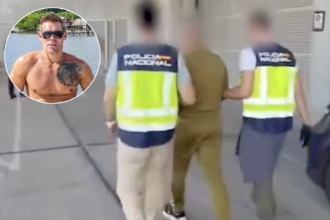
Three suspects were arrested during this phase of the operation.
At the same time, police searched a villa in Sant Just Desvern, Barcelona, which was allegedly used exclusively to store drugs.
A further 1,351kg of cocaine was found hidden inside its garage.
Another three alleged members of the network were arrested in Pilar de la Horadada, Alicante, over the following days.
Investigators continued searching for the remaining suspects and conducted further raids at properties in Marbella and Estepona on June 10, arresting three more people.
Two alleged logistical collaborators were subsequently detained in Malaga and Barcelona.
They are accused of supplying the organisation with homes, commercial premises and vehicles without formal contracts, sometimes using frontmen to conceal the assets’ true ownership.
Police arrested several further suspects during the summer under European and international arrest warrants after they allegedly fled Spain or went into hiding.
The 15 detainees are being investigated on suspicion of drug trafficking and membership of a criminal organisation.
Police said the dismantled network specialised in receiving and storing cocaine before transporting it across Europe on behalf of several different criminal groups.