

Sevilla and Malaga have been named among the world’s 250 leading cities in a major international ranking.
The Andalucian capitals placed 229th and 212th respectively out of 1,000 urban areas assessed in the Oxford Economics Global Cities Index 2026.
Sevilla was the eighth-highest Spanish city in the table, finishing behind Madrid, Barcelona, Valencia, Palma, Bilbao, Malaga and Zaragoza.
Researchers judged each city using 27 indicators divided into five broad categories comprising economic strength, human capital, quality of life, environment and governance.
Oxford Economics said the index was intended to provide a data-driven picture of cities’ ‘strengths, weaknesses and future potential’, rather than simply compiling a list of attractive places to visit.
Sevilla, which has a population of around 689,000, performed particularly well for its quality of life, environment and governance.
Those categories consider factors including residents’ living conditions, the natural and built environment and the effectiveness of local institutions and public services.
However, its overall score was held back by weaker results in areas such as economic strength and human capital when compared with the world’s largest commercial and technological centres.

How did other Spanish cities perform?
Madrid was Spain’s highest-ranked city, taking 30th place globally.
Oxford Economics praised the capital for its diversified economy and strong supply of skilled workers.
Barcelona followed in 72nd position, recognised for combining its economic and human-capital base with a high quality of life and significant international appeal.
There was then a substantial gap before Valencia, which placed 180th.
Palma finished 200th, followed by Bilbao in 211th and Malaga just one place behind in 212th.
Zaragoza took 219th position, ten places ahead of Sevilla.
Two cities in the Canary Islands also entered the global top 250: Santa Cruz de Tenerife ranked 239th and Las Palmas 248th.
Housing problem
Despite their strong overall performance, Oxford Economics identified population growth and mounting pressure on housing as significant challenges for Spain’s leading cities.
Growing demand and a shortage of available properties have pushed up both sale prices and rents in many urban areas.
The average asking price of a home in Sevilla is now 11.5% higher than a year ago, according to property portal Idealista.
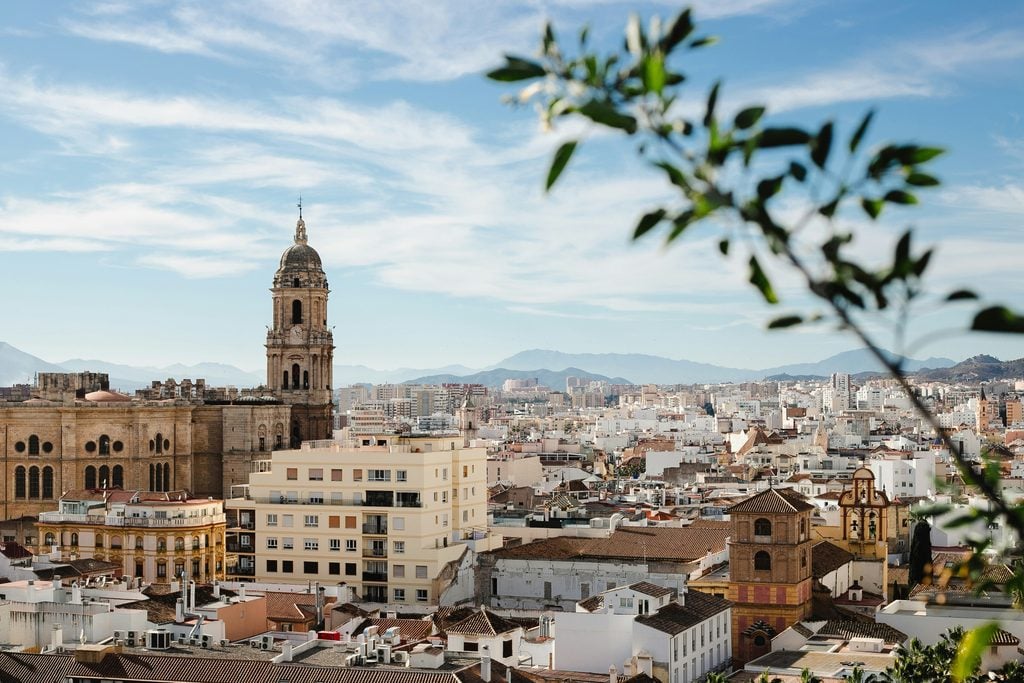
Housing affordability is becoming increasingly important to cities seeking to attract and retain workers, the report warned.
Oxford Economics said Madrid and Barcelona had succeeded in attracting people, businesses and investment, but their housing supply had failed to keep pace.
Similar pressure is now being felt in other Spanish cities, including Sevilla and Malaga, as growing populations, tourism and investment increase competition for a limited number of homes.
Which city came first?
New York retained the top position in the 2026 ranking, followed by London and Paris.
Seattle placed fourth and San Francisco fifth, while Dublin, Boston, San Jose in California, Tokyo and Zurich completed the top 10.
The results revealed clear differences between the world’s leading American and European cities.
US cities generally performed exceptionally strongly in the economy and human-capital categories, which consider factors such as economic output, employment, education, universities and access to highly skilled workers.
European cities tended to achieve better scores for quality of life, environmental conditions and governance.
Oxford Economics also predicts that Asian cities will become increasingly prominent as productivity and gross domestic product rise.
Taipei climbed 12 places to enter the top 50, while Kuala Lumpur rose 14 positions to 65th.
Shenzhen entered the global top 100 for the first time.