
Spain’s government has unveiled the details of an extraordinary €309million rescue package for Ceuta following the illegal crossing of 72,000 migrants on July 30 and 31.
The emergency programme, approved by the Council of Ministers this week, represents an injection equivalent to around 16% of Ceuta’s entire GDP in just four months.
The measures range from millions in direct payments to businesses and self-employed workers to additional police resources, migrant accommodation, healthcare staff and tax breaks.
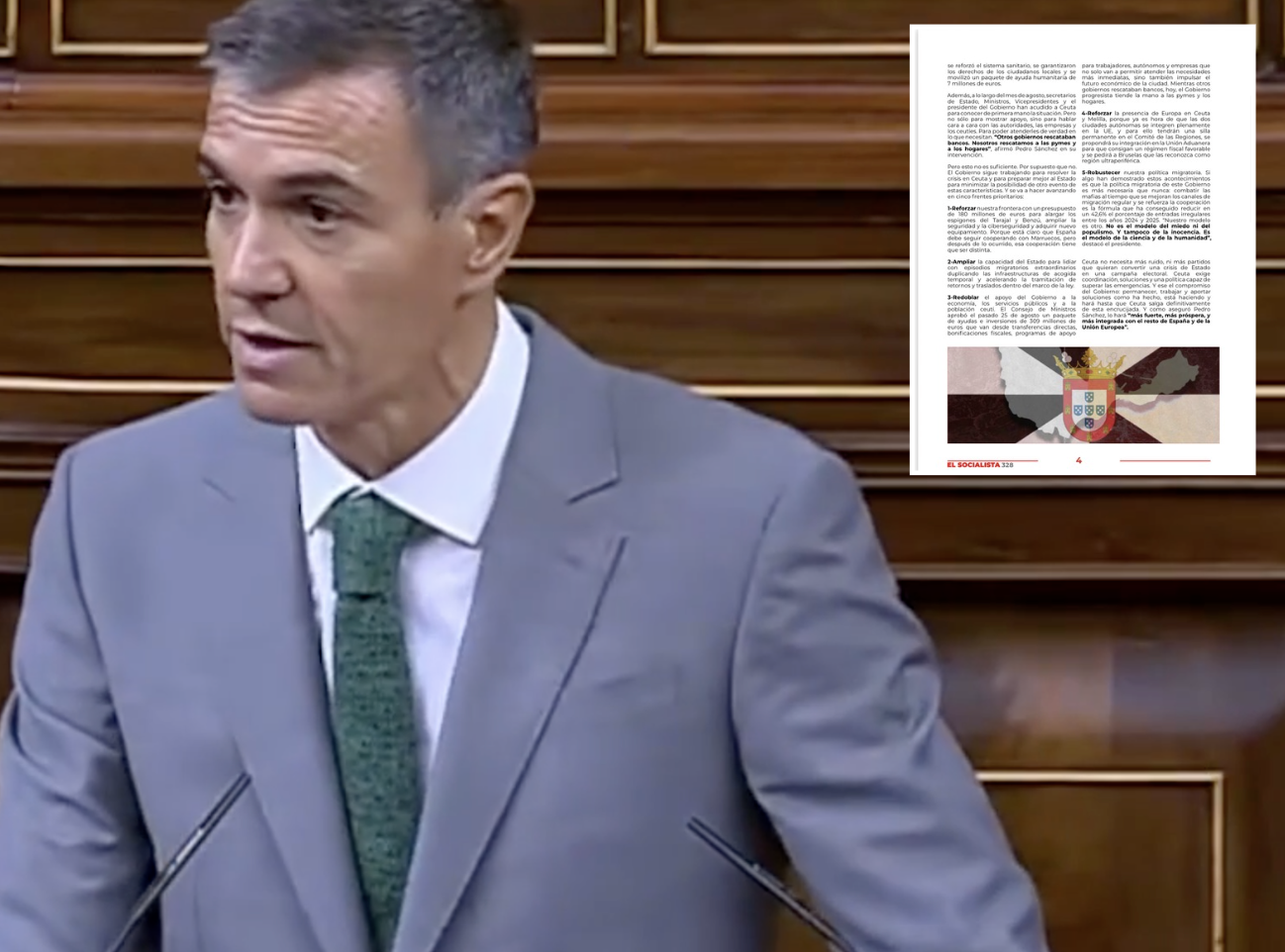
Prime Minister Pedro Sanchez has also set out a broader five-point strategy for Ceuta, including strengthening the border with Morocco and pushing for greater European involvement in the Spanish enclave.
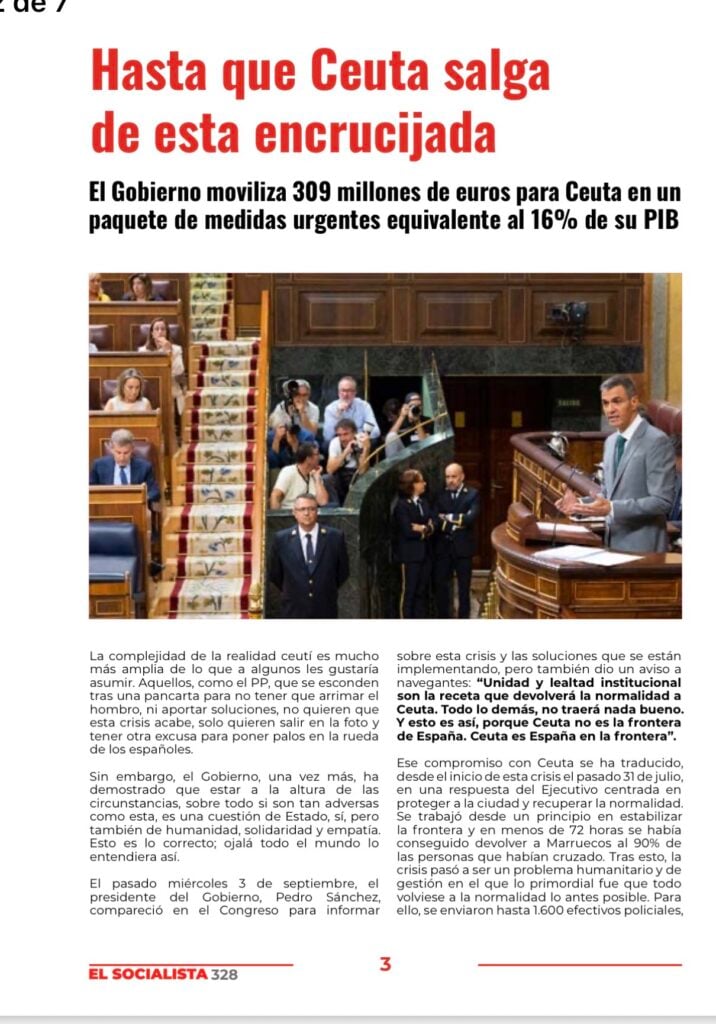
The details have been laid out in a news bulletin in El Socialista, the official publication of the ruling PSOE party.
Where will the €309m go?
The emergency funding is divided into four major areas.
The biggest allocation is €118million for humanitarian reception, followed by €90 million for security, €80 million to support businesses and workers, and €21 million for essential public services including healthcare, education and justice.
The humanitarian funding includes €53.4 million for accommodation and basic care for migrants, covering food, sanitation, security, interpreting and medical assistance.
A further €63.6 million will be given to Ceuta to strengthen its capacity to care for unaccompanied migrant children. The government said the city’s child protection system was looking after around 1,500 migrant minors when the package was announced.
More than 3,400 additional reception places have also been created since the crisis began, compared with the roughly 500 to 600 places previously available at Ceuta’s CETI migrant centre.
Millions for businesses and autonomos
Some of the most significant measures directly target Ceuta’s battered local economy.
More than €50 million will be provided in direct aid, including €36.6 million specifically for businesses and self-employed workers.
Eligible autonomos are expected to receive around €5,000 each, while companies will be able to receive between €10,000 and €150,000, depending on turnover.
The government estimates the scheme could benefit around 2,500 autonomos and 1,500 companies.
Applications are due to open through Spain’s Tax Agency on September 14, with the first payments targeted for the beginning of October. The grants will be tax exempt and protected from seizure.
Another €16 million is being directed towards commerce, tourism, hospitality and internationalisation.
That includes €10 million for schemes such as consumer vouchers and campaigns designed to attract shoppers, plus €4 million for tourism and hospitality promotions.
Turespaña will receive another €1 million to launch an international campaign promoting Ceuta as a tourist destination, while €1 million will fund the new Ceuta Exporta programme.
A separate €50 million state-backed guarantee scheme will help businesses and autónomos obtain financing for liquidity, working capital and investment.

Permanent tax cuts
Some measures will remain in place beyond the immediate crisis.
The corporate tax rebate available to qualifying companies in Ceuta and Melilla will increase permanently from 50% to 60%.
Autónomos will also receive more favourable treatment under IRPF rules, while the employer Social Security contribution rebate will increase from 50% to 75% for qualifying permanent workers undertaking training activities.
Businesses forced to reduce or suspend their operations and use Spain’s ERTE furlough mechanism will also be able to benefit from Social Security contribution exemptions.
Meanwhile, affected autónomos will have access to an extraordinary cessation-of-activity benefit.
€90m security boost
Security accounts for another €90 million of the rescue package.
Some €7.1 million has been allocated as an exceptional performance incentive for Policía Nacional officers and €8 million for the Guardia Civil.
A further €74 million will support the Ministry of Defence and Armed Forces following the deployment of personnel, equipment, transport and logistical resources during the crisis.
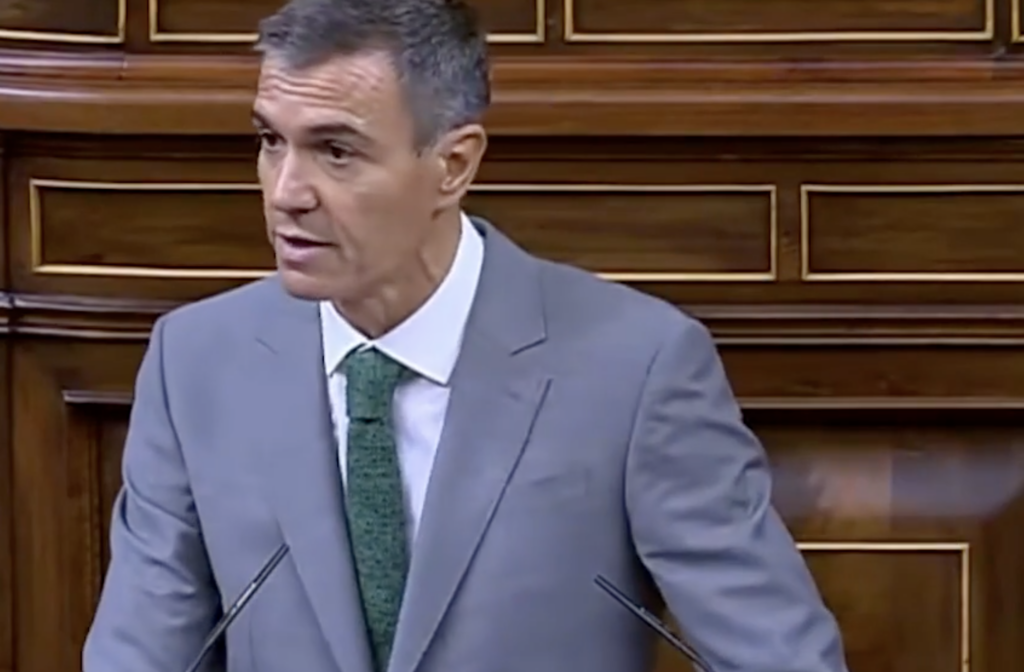
The number of Policia Nacional and Guardia Civil officers deployed in Ceuta has risen from around 1,100 to 1,600, according to Sánchez’s account to Congress.
Healthcare, schools and courts
Another €21 million has been earmarked for essential public services.
That includes €4.5 million for the justice system, including additional judges, prosecutors, court officials, legal aid and technology intended to accelerate migration-related cases.
Healthcare is receiving €3.5 million to fund 100 additional professionals, while €3.2 million will strengthen school security and provide psychosocial support.
Ceuta will also receive an additional €2 million towards its desalination plant, on top of more than €7 million previously approved.
The border is set for a major overhaul
The €309 million package is only part of Madrid’s response.
Sánchez told Congress on Thursday that the government intends to pursue five longer-term fronts, including reinforcing Ceuta’s border infrastructure, increasing the state’s capacity to deal with exceptional migration episodes, providing further economic support and securing a bigger role for the EU.
Plans include extending the Tarajal and Benzu breakwaters, strengthening maritime barriers and deploying technology including thermal cameras and drones.
The government also wants a permanent Frontex presence at the border and greater Europol involvement.
Brussels could play a much bigger role
Madrid also intends to push for a fundamental change in Ceuta and Melilla’s relationship with the European Union.
The government wants the two autonomous cities to become more fully integrated into EU structures, including securing a permanent seat on the Committee of the Regions.
Sanchez has also said Spain will ask Brussels to recognise Ceuta and Melilla as EU outermost regions, potentially giving them treatment similar to the Canary Islands.