
Andalucia’s public health service has secured €22.69million in funding to develop a series of innovative projects.
The investment is aimed at improving cancer diagnosis, reducing surgical waiting lists, advancing children’s healthcare and making better use of patient data.
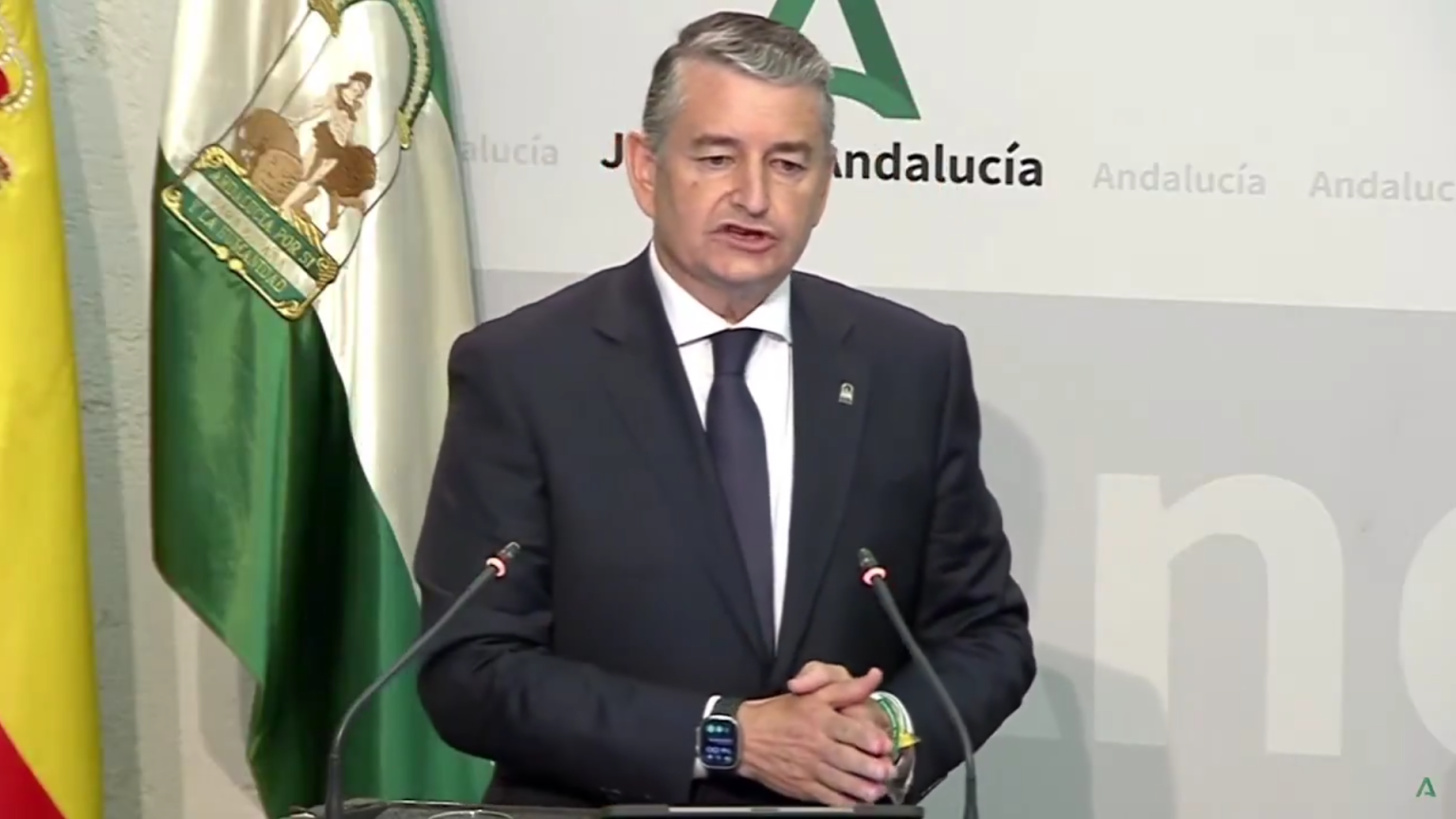
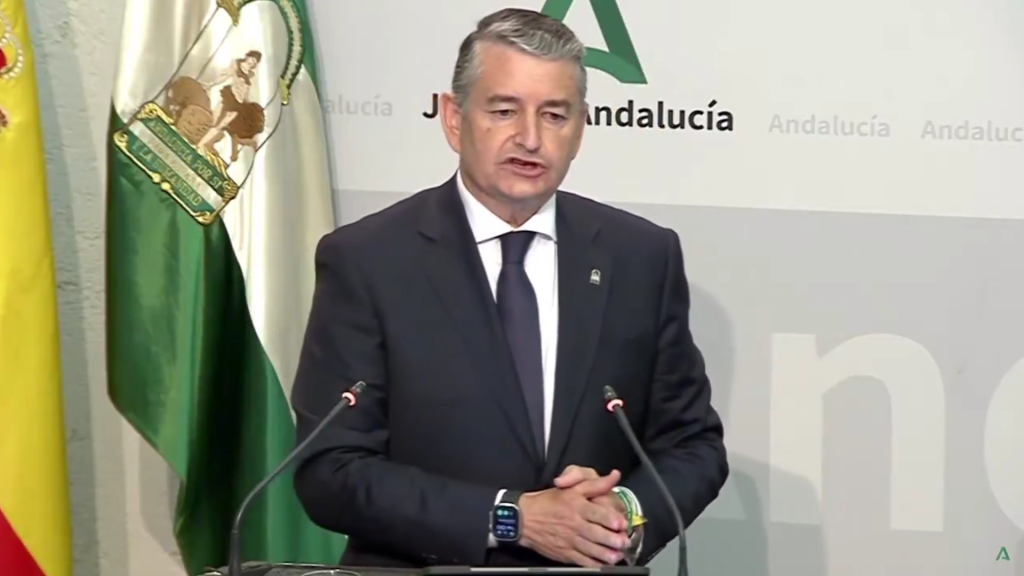
The funding, announced by regional health chief Antonio Sanz, will support four major innovation projects designed to tackle some of the biggest challenges facing Andalucia’s public healthcare system.
Sanz described research and innovation as ‘two fundamental pillars’ in transforming the region’s health service, adding that the funding was further recognition of the quality of medical research being carried out in Andalucia.
The €22.69 million has been awarded through Spain’s Ministry of Science, Innovation and Universities under its Public Procurement of Innovation programme.
The projects are co-funded 85% by the European Union through the FEDER 2021-2027 programme, with the remaining 15% financed by Andalucia’s public health service.
The four projects are:
PIAPPA (€9.8 million): A programme focused on improving perinatal and paediatric care, including earlier intervention, better continuity of care and innovations aimed at mothers and children.
ORACULO (€4.5 million): An artificial intelligence project that will combine clinical, pathological, imaging and genetic biomarkers to improve the diagnosis and prognosis of genitourinary cancers.
PRISMA (€4.3 million): A project designed to improve the protection, management and reuse of healthcare data, helping doctors make better evidence-based clinical decisions while supporting future medical research.
SURGIA (€3.9 million): A new simulation and planning system intended to optimise operating theatres across Andalucia’s public hospitals, with the aim of reducing waiting lists, improving efficiency and delivering better outcomes for patients.
The projects stem from Andalucia’s Early Health Demand Map, an initiative developed between 2023 and 2024 that identified 29 strategic healthcare challenges after consulting more than 500 healthcare professionals and 111 businesses, universities and research organisations.
The regional government said the programme is designed to strengthen Andalucia’s position as a leader in healthcare innovation while accelerating the adoption of new technologies and attracting leading medical researchers to the region.