
One of Spain’s most beloved traditions is once again upon us.
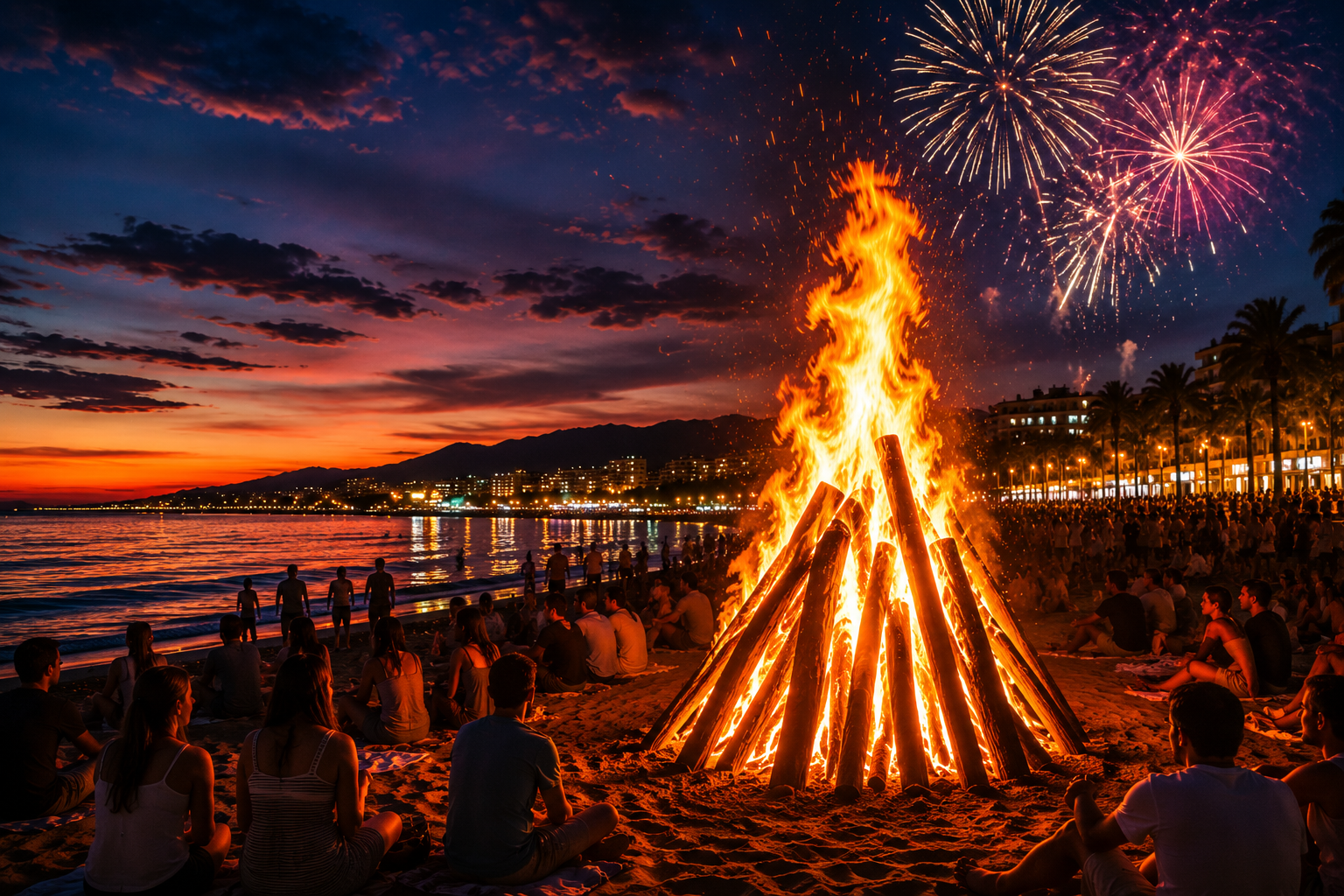
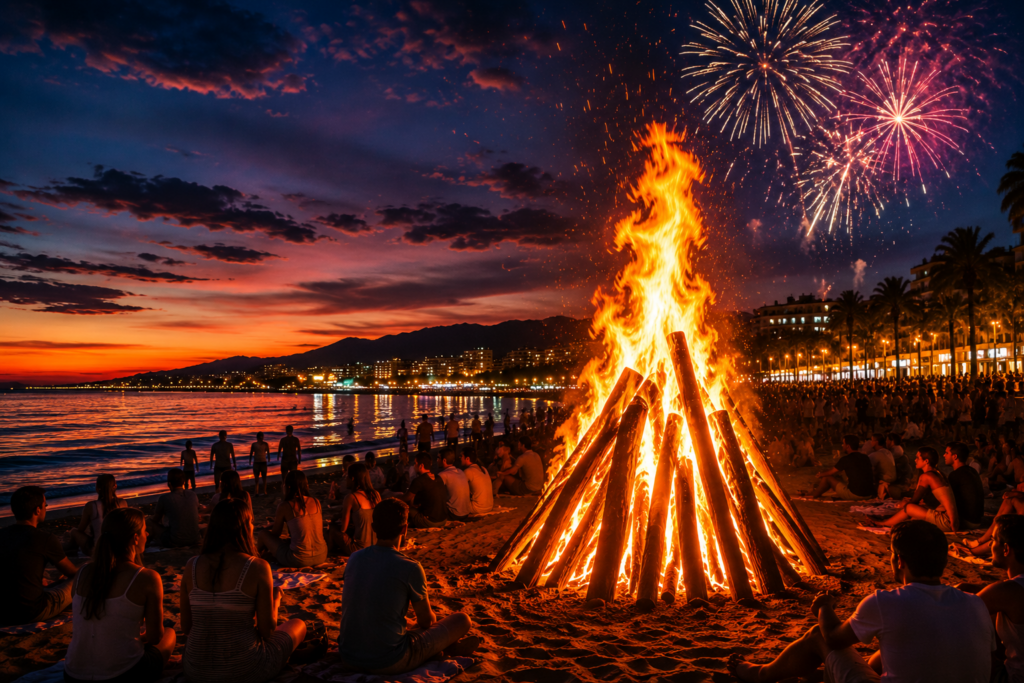
On the night of June 23, beaches will fill with bonfires, fireworks, music and scores of people celebrating La Noche de San Juan – a centuries-old festival that marks the arrival of summer.
While the summer solstice officially falls on June 21, many Spaniards consider San Juan the true start of the season.
The celebration combines ancient pagan rituals linked to the summer solstice with the Christian feast day of Saint John the Baptist on June 24.
Fire plays a central role, symbolising purification, renewal and leaving behind bad luck or negative experiences from the previous year.
Today, San Juan is less about religion and more about gathering with friends and family on the beach for a night-long party that blends tradition, superstition and summer fun.
What happens on the Costa del Sol?
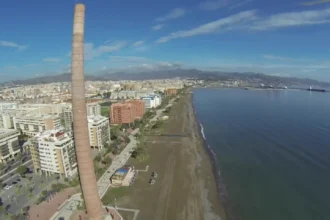
As sunset approaches on June 23, beaches from Malaga city to Torremolinos, Benalmadena, Fuengirola, Marbella, San Pedro, Estepona and Manilva begin to fill with revellers carrying cool boxes, picnic food and speakers.
Bonfires – known as hogueras – are lit along the sand, while many towns organise live music, fireworks displays and family events.
Some municipalities also burn large effigies known as juas, which are designed to symbolise the destruction of bad memories, worries or unwanted habits.
The midnight rituals
As midnight approaches, the atmosphere changes.
One of the most popular traditions is to write down wishes, fears or things you want to leave behind and throw the paper into a bonfire. Others jump over the flames – traditionally three times – believing it will bring good luck and purification for the year ahead.
The sea also plays a major role. Many people head into the water at midnight, either dipping their feet or jumping over waves.
Depending on who you ask, this is said to bring luck, health, love or prosperity over the coming year.
How to celebrate like a local
If you’re heading to the beach for San Juan, arrive early. Popular stretches of coastline can become extremely crowded long before midnight.
Bring food, drinks, a towel and plenty of water. Expect celebrations to continue until the early hours, particularly in Marbella, Malaga city, Fuengirola and Torremolinos. Many locals spend the entire night on the beach before heading home at sunrise.
And don’t be surprised if you see people burning old photographs, notes or personal mementos. For many Spaniards, San Juan is not just a party but a symbolic chance to start again.