
Most visitors to Sevilla follow the same well-worn route.
They marvel at the Cathedral, queue for the Real Alcazar, wander around Santa Cruz and perhaps stop for a photo in Plaza de España before calling it a day.
But those who never venture north of the city centre are missing what may be Sevilla’s most authentic and charming district.
Stretching across the neighbourhoods of Feria, Alameda de Hercules and San Lorenzo, the city’s northern quarter offers a glimpse of the Andalucian capital before mass tourism arrived.
It is a place of hidden churches, atmospheric side streets, bustling food markets and shady squares where locals still outnumber visitors.
While central Sevilla can feel overwhelmed by tour groups, the northern quarter moves to its own rhythm.
Elderly neighbours chat beneath wrought-iron balconies, residents drift between cafes and market stalls, and visitors are still something of a rarity once you leave the main thoroughfares.
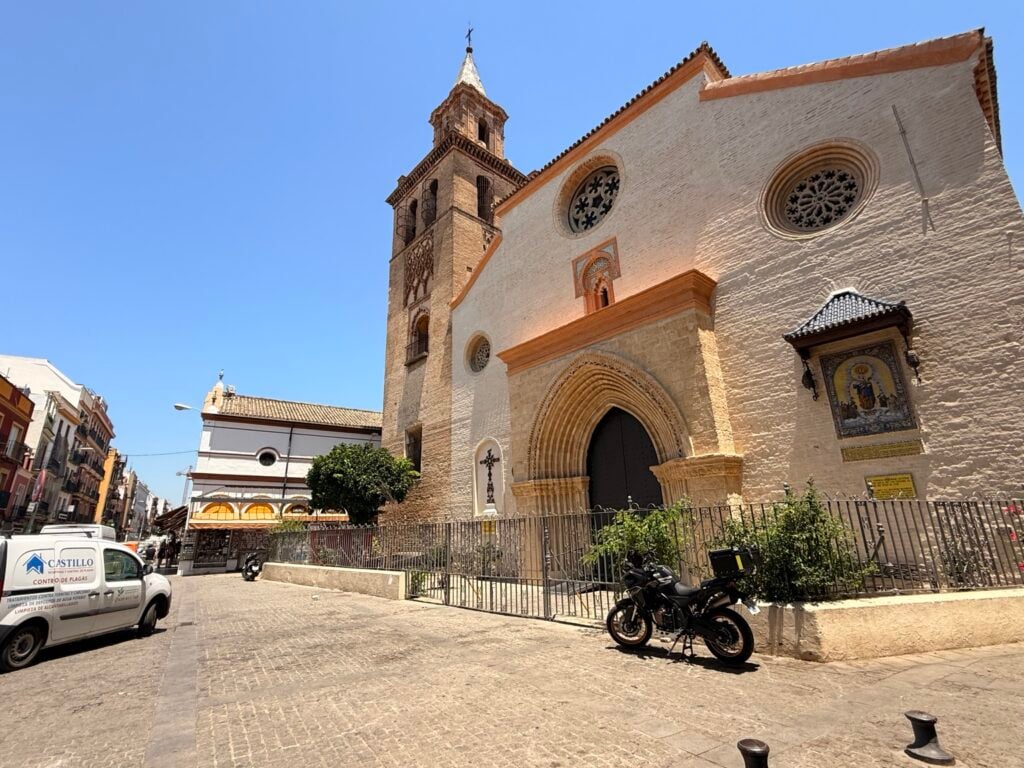
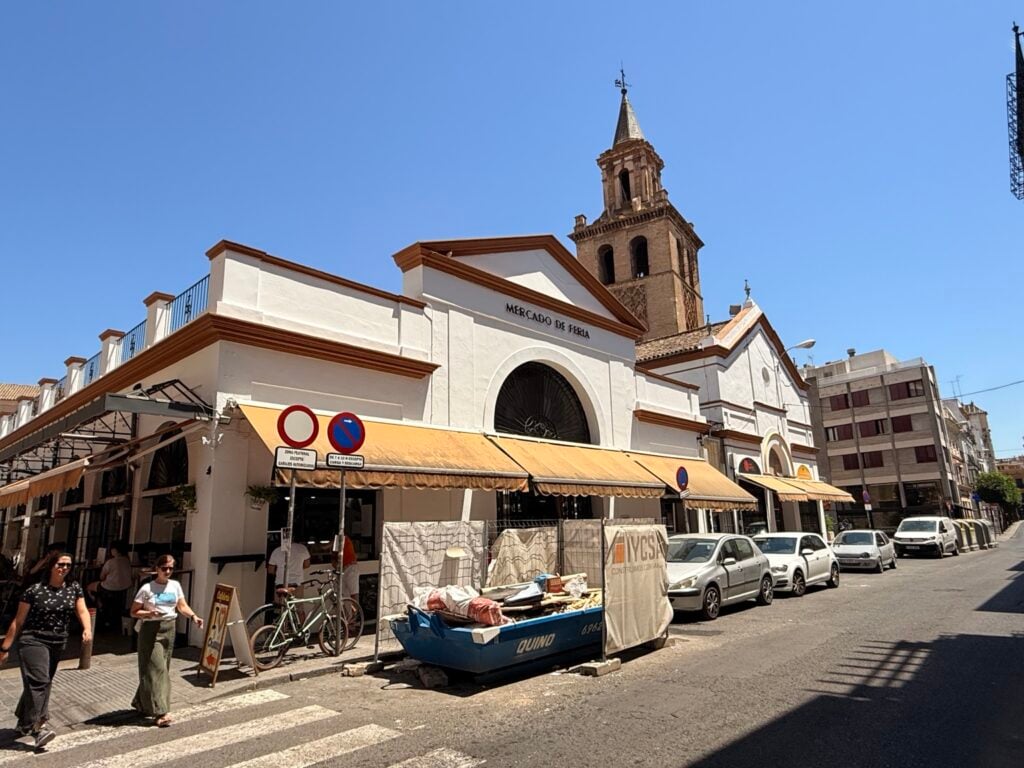
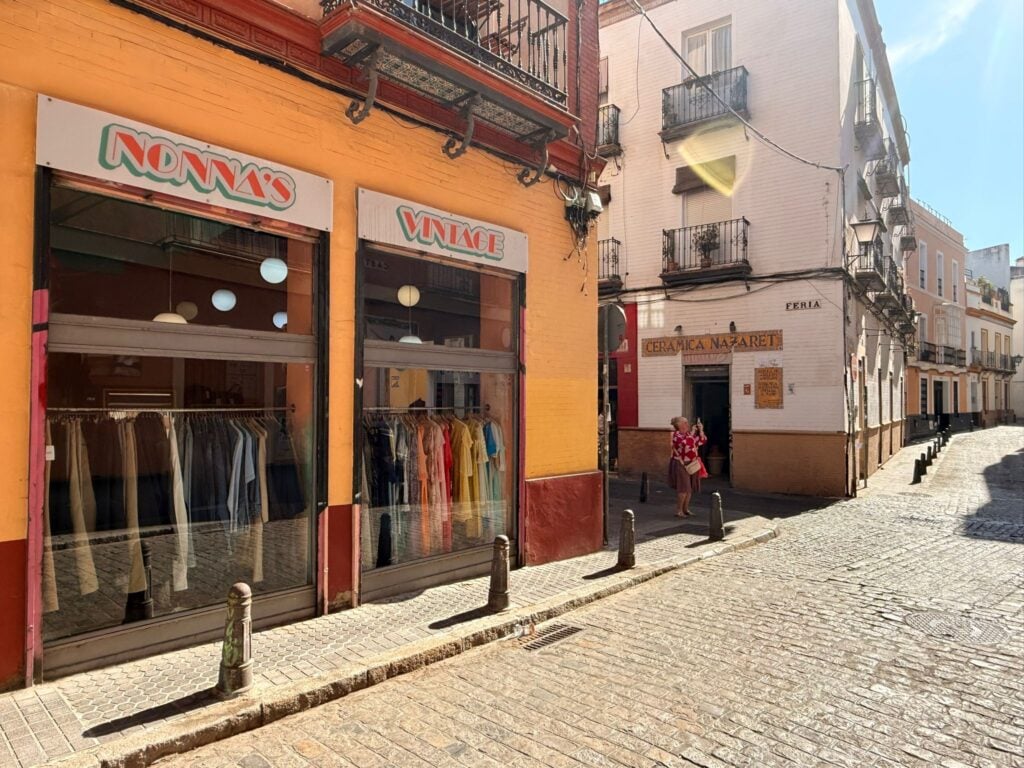
The streets themselves are worth the walk.
Rows of pastel-coloured houses and narrow lanes seem designed for wandering rather than following a map.
Around almost every corner lies another photogenic scene, whether it is a tiny chapel squeezed between apartment buildings or a centuries-old ceramic shop quietly trading as it has for generations.
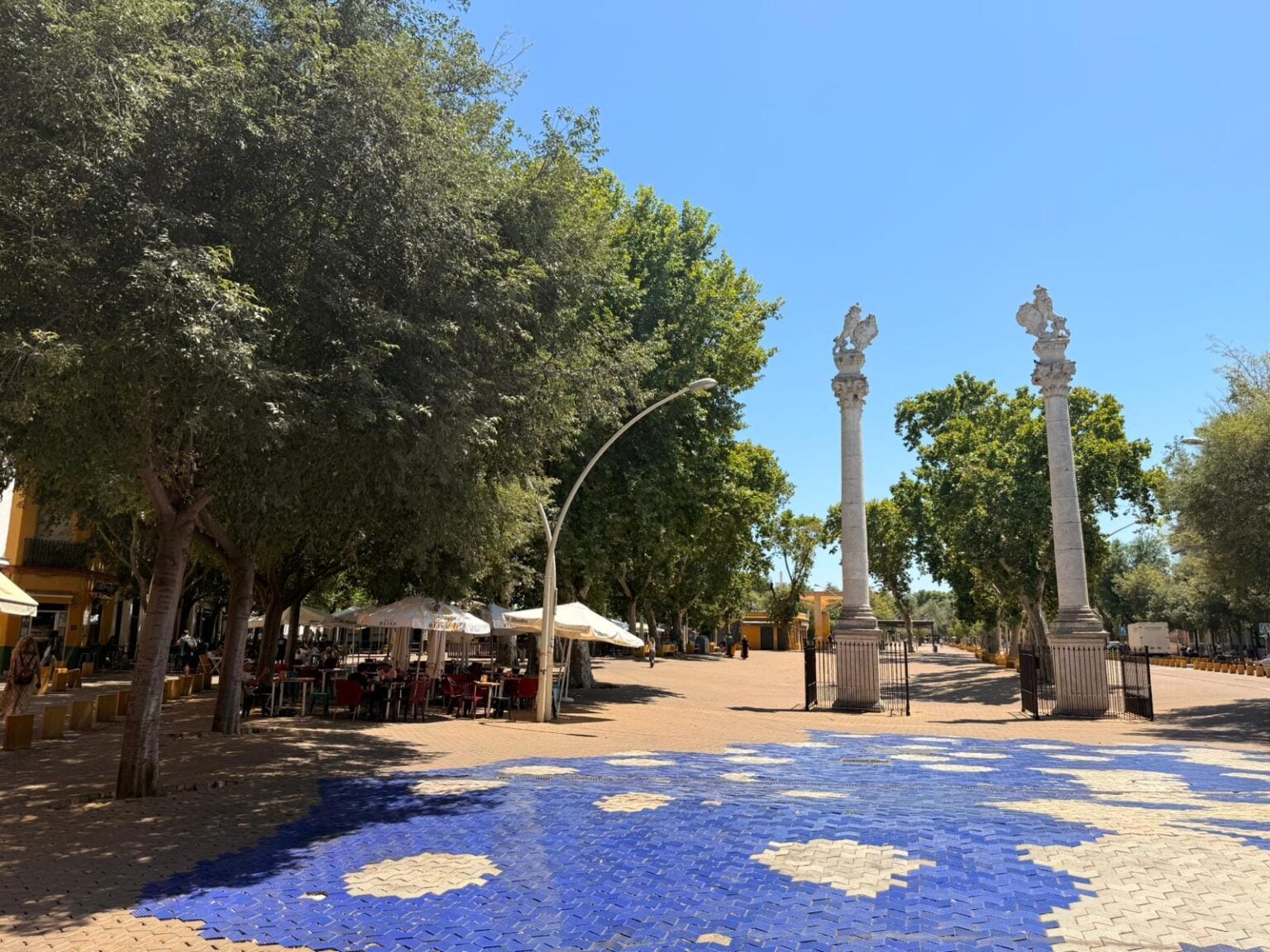
One of the district’s defining landmarks is the Alameda de Hercules, a vast tree-lined promenade often described as Europe’s oldest public garden.
Dominated by towering Roman columns topped with statues, it serves as the social heart of the neighbourhood.
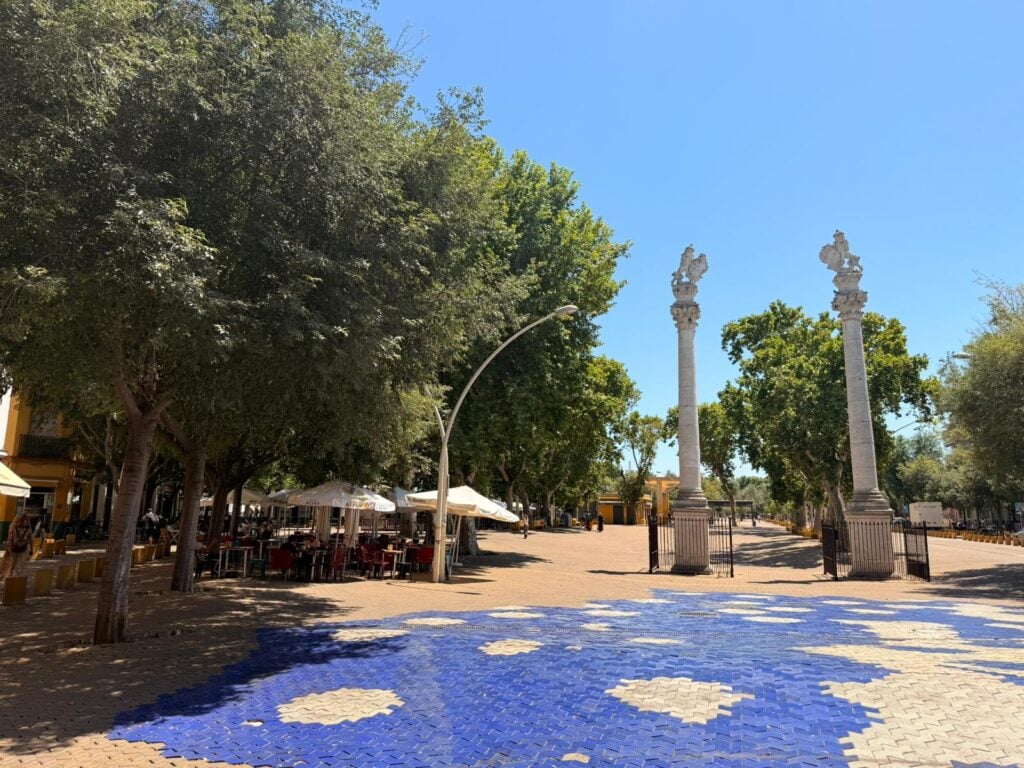
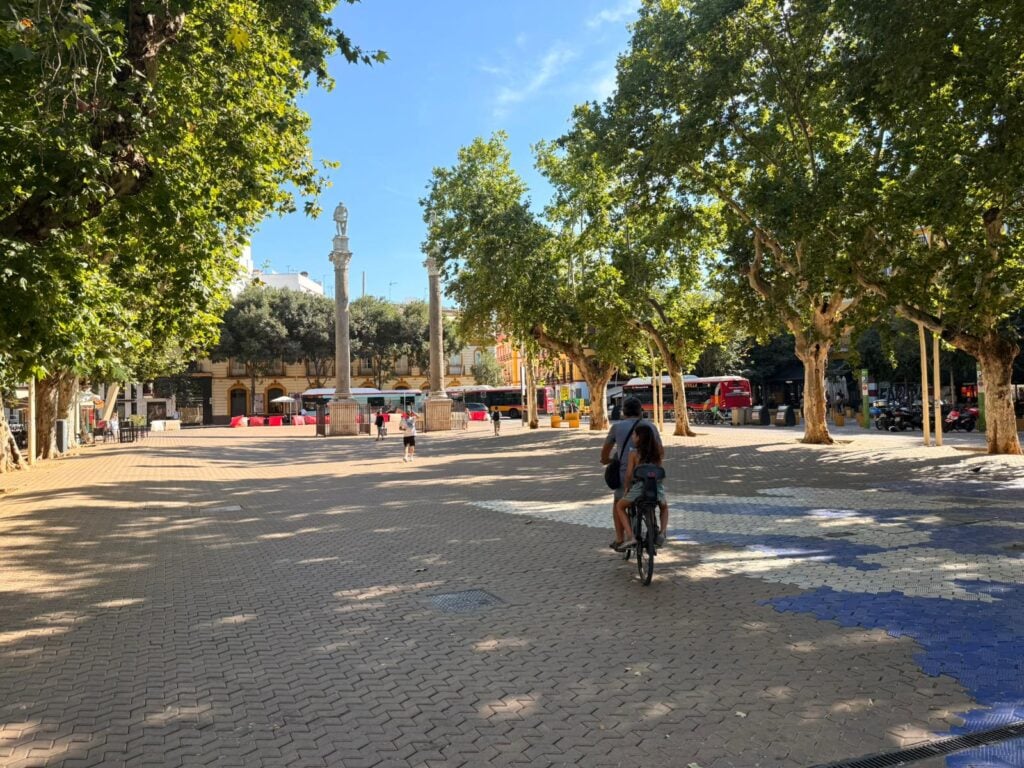
During the cooler evening hours it fills with families, runners, dog walkers and groups of friends enjoying drinks beneath the shade of the enormous trees.
Unlike many city squares that have become dominated by tourism, the Alameda still feels distinctly local.
Just a short stroll away sits the Mercado de Feria, one of Sevilla’s oldest food markets and an ideal place to sample local produce.
Inside, traditional fishmongers and greengrocers sit alongside modern tapas bars where customers perch on stools and order seafood straight from the counter.
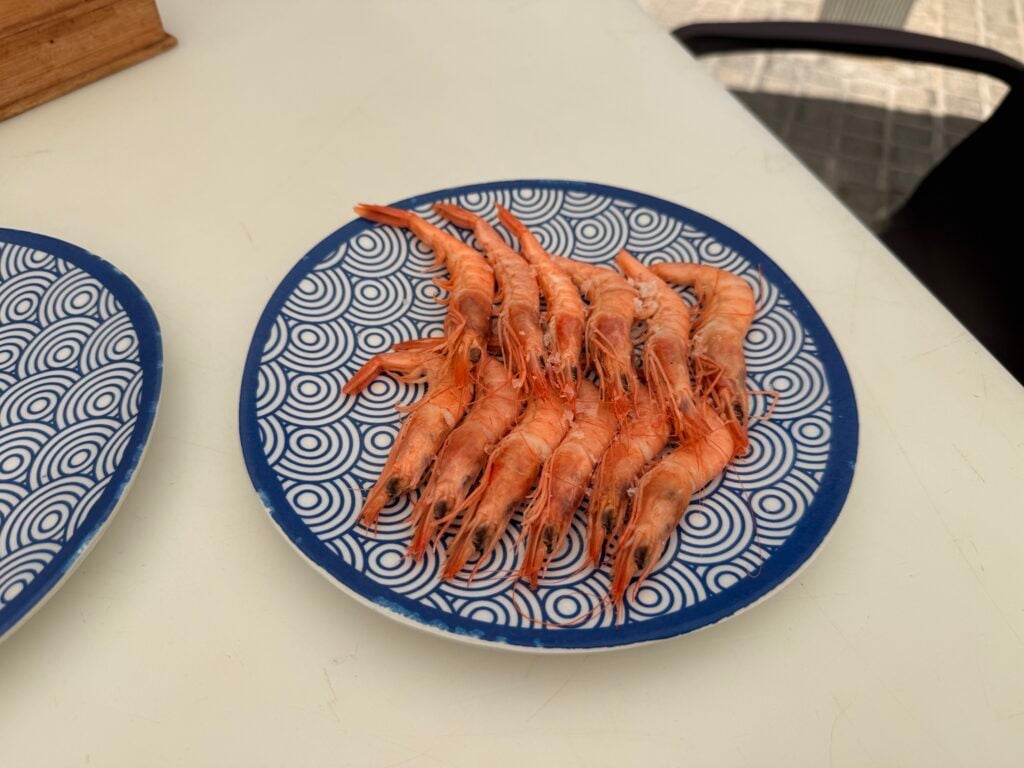
A freshly shucked oyster followed by a plate of boiled Huelva prawns offers a reminder of how seriously Andalucia takes its seafood.
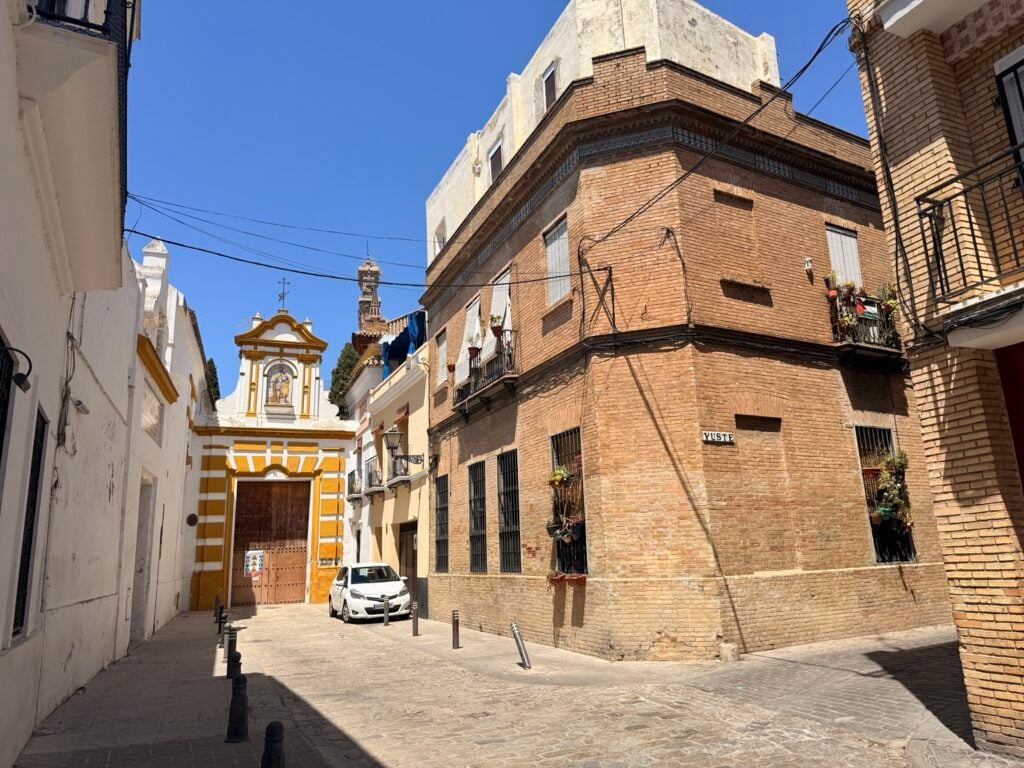
The district is also home to churches and convents that many tourists never discover. In San Lorenzo, centuries-old religious buildings rise unexpectedly from quiet residential streets.
The area also rewards those who prefer exploring without an itinerary.
Some of the most memorable moments come from turning down an unfamiliar street, discovering a hidden plaza or stumbling upon an architectural detail that would never make it into a guidebook.
There is also a growing independent spirit here.
Vintage clothing shops, artisan ceramics stores and small creative businesses have helped give the district a character that feels distinct from the souvenir-heavy streets found elsewhere in the city.
Perhaps most importantly, the northern quarter still feels lived in.
While debates over overtourism continue across Andalucia, this remains a part of Sevilla where daily life continues largely unchanged.
Washing hangs from balconies, neighbours greet each other by name and local bars remain full of regulars.
For travellers seeking the real Sevilla rather than the postcard version, that authenticity is increasingly valuable.
Read more Andalucia news at the Spanish Eye.