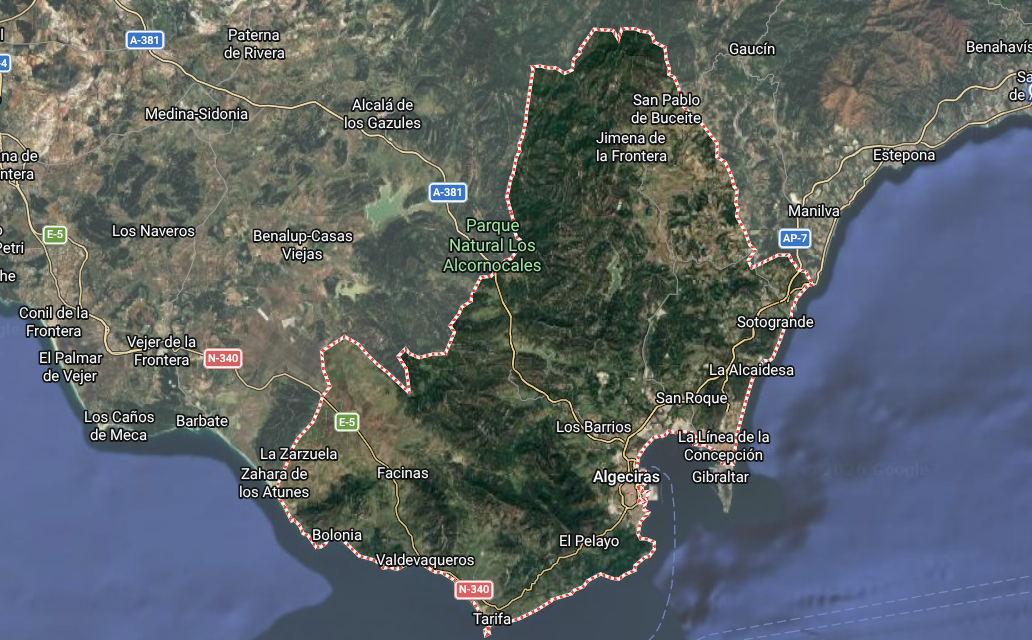

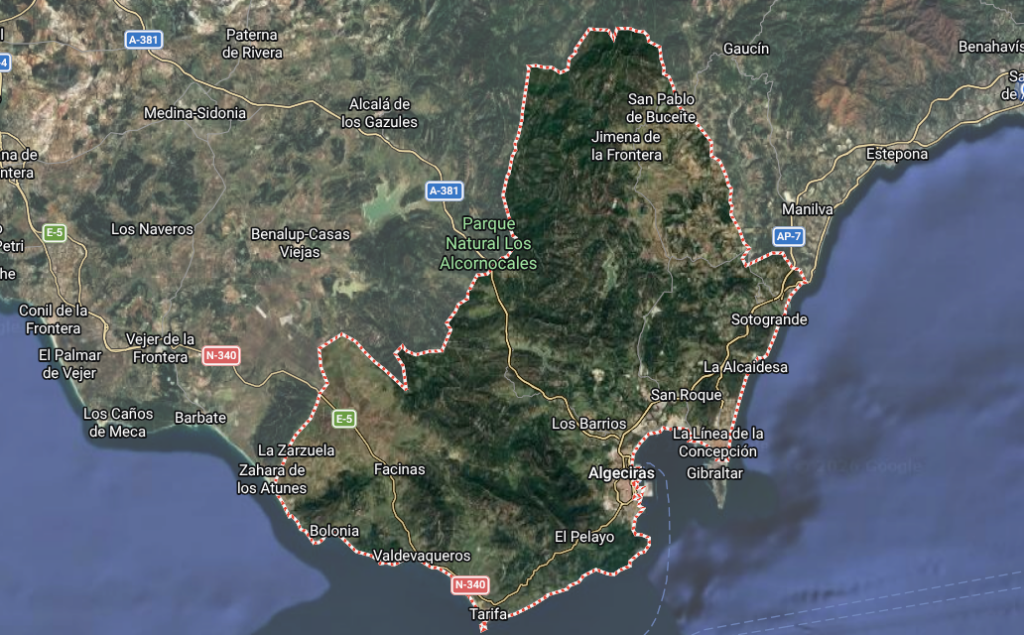
The Campo de Gibraltar region has launched an ambitious new tourism strategy aimed at attracting high-value visitors.
The strategy hopes to strengthen the area’s tourism sector over the next five years by bringing in luxury travellers, digital nomads and small cruise passengers.
The initiative forms part of the Campo de Gibraltar Smart Destination Tourism Sustainability Plan.
It will be managed by the different town halls that make up the region and funded through the European Union’s NextGeneration recovery programme.
Officials say the project will provide a clear roadmap for tourism development across the region between 2026 and 2030, while helping authorities create a ‘more competitive, sustainable and innovative visitor economy’.
The president of the Campo de Gibraltar association, Susana Perez Custodio, said the strategy will allow municipalities to ‘face future challenges with greater planning and cooperation’.
She was joined by tourism vice-president May Gallego Gavira in presenting the initiative.
As part of the project, each municipality will receive its own Local Tourism Strategic Plan, alongside an overarching regional strategy designed to boost the area’s appeal as a holiday destination.
The plans have been developed through a consultation process involving local councils, businesses and residents, with organisers aiming to ensure growth reflects the needs of communities.
One of the headline measures is the creation of a Regional Tourism Innovation Strategy focused on emerging and high-potential markets.
These include digital nomads, wellness tourism, the luxury travel sector, boutique cruise ships and the lucrative meetings, incentives, conferences and events (MICE) industry.
Officials also announced the development of a Tourism Sustainability Indicators System based on European standards, designed to help monitor the environmental, social and economic impact of tourism.
The project includes a training programme to improve skills within local administrations and tourism businesses, particularly in digitalisation, sustainability, accessibility and governance.
The strategy comes as destinations across Spain increasingly compete for higher-spending visitors.