
Doctors at one of Andalucia’s leading hospitals have warned that thyroid disorders are becoming increasingly common, particularly among women, as they revealed they now perform thousands of specialist tests every year.
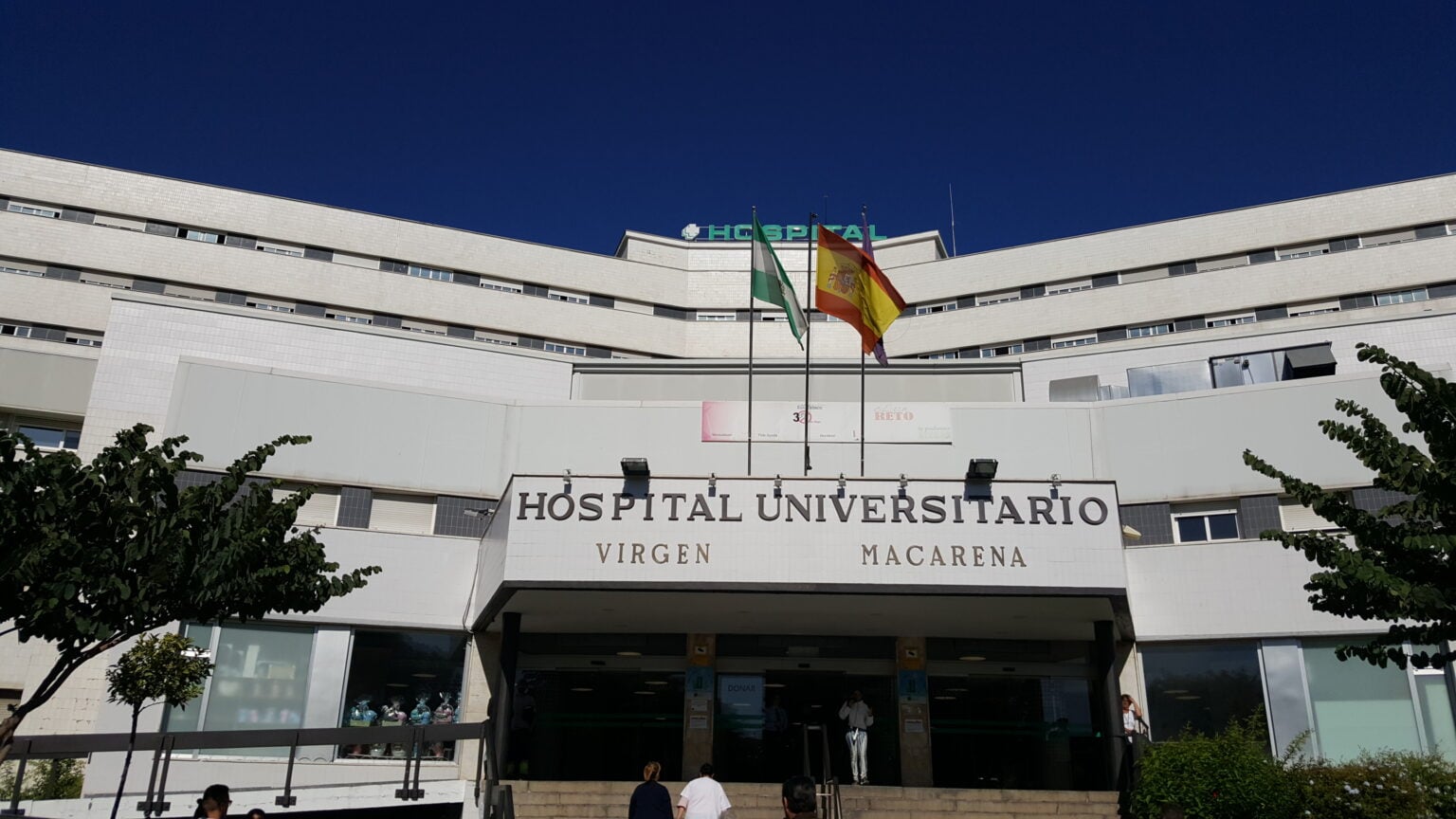
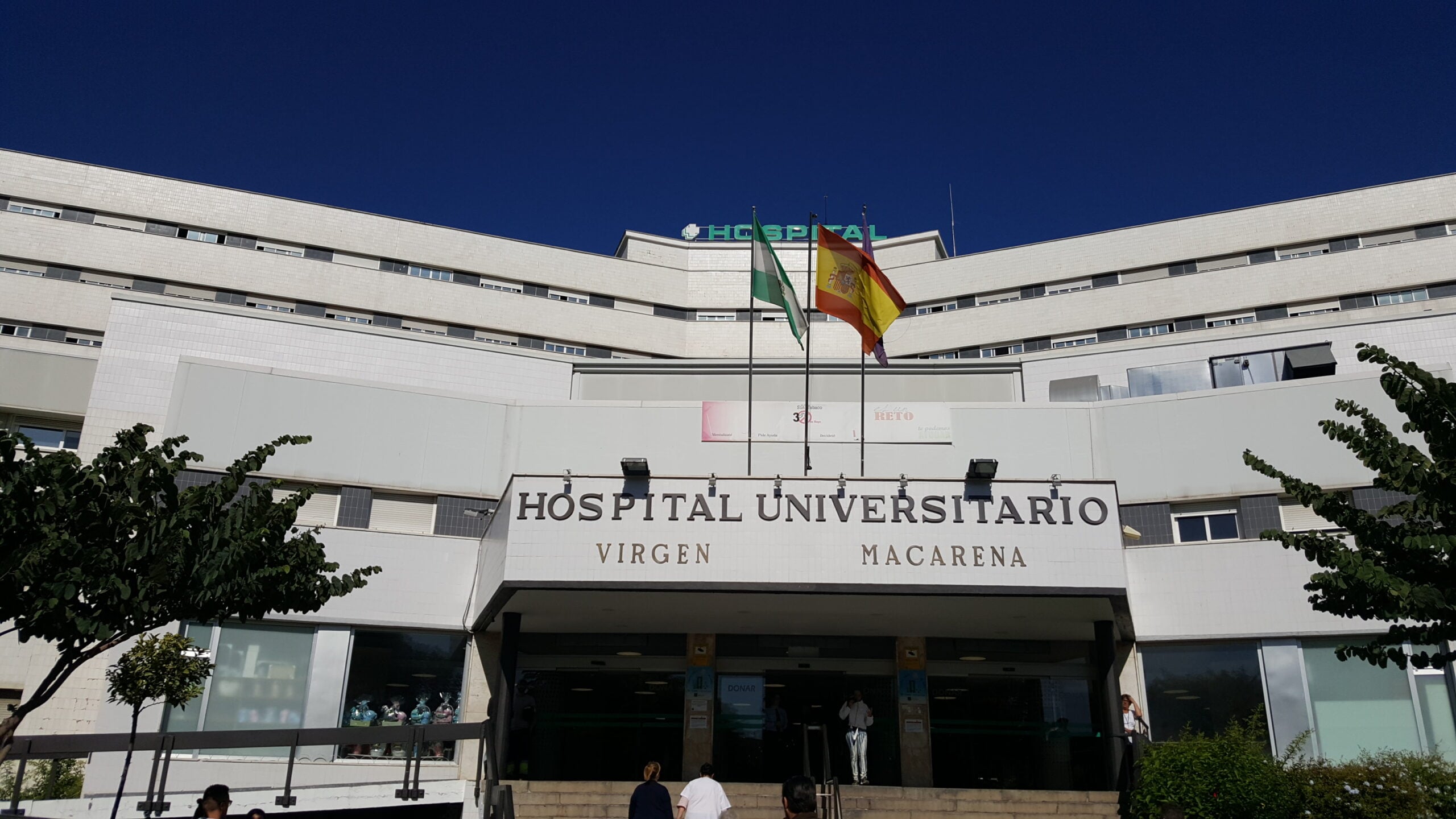
The Endocrinology and Nutrition Service at Virgen Macarena University Hospital marked World Thyroid Day by highlighting the growing demand for diagnosis and treatment of thyroid-related illnesses across the region.
The Sevilla hospital has become an official Andalucian reference unit for thyroid disease treatment, specialising in advanced ultrasound procedures, minimally invasive techniques and the treatment of Graves’ orbitopathy – an autoimmune condition commonly linked to hyperthyroidism that causes inflammation behind the eyes.
Each year, specialists at the hospital carry out almost 500 fine-needle aspiration biopsies on the thyroid gland to determine whether nodules are benign or potentially cancerous.
Doctors also perform around 60 minimally invasive ethanol ablation procedures annually, which are used to deactivate abnormal cells and reduce the size of thyroid nodules.
The thyroid gland plays a vital role in regulating metabolism, neurological development and growth in children through hormone production.
Experts at the hospital said maintaining adequate iodine intake remains key to good thyroid health.
‘A varied diet including sufficient dairy products and the use of iodised salt is enough to meet the iodine needs of any person,’ specialists explained.
The two most common thyroid disorders – hypothyroidism and hyperthyroidism – are both more frequently diagnosed in women and are usually detected through blood tests.
The hospital’s endocrinology department carries out almost 2,000 thyroid-related blood analyses every year.
Meanwhile, thyroid nodules are becoming increasingly common with age, especially among women and in areas with low iodine intake.
The hospital now performs more than 5,600 thyroid ultrasounds annually to detect enlargement of the gland, known as goitre, as well as uni- or multinodular conditions.
Doctors stressed that the vast majority of thyroid nodules are benign.
However, some can continue growing and eventually require treatment to reduce symptoms or remove them entirely.
Although malignant thyroid nodules are relatively uncommon, specialists said suspicious cases are usually identified during ultrasound scans before being investigated further through image-guided biopsy procedures.
Even in cancer cases, doctors stressed the outlook is generally very positive.
‘Most thyroid cancers have low aggressiveness and correct personalised treatment results in patients being cured,’ the specialists said.
Treatment usually involves specialised surgery, radioactive iodine therapy and long-term hormone replacement tablets to maintain normal thyroid function.
The hospital also operates a dedicated multidisciplinary thyroid cancer committee bringing together specialists from multiple fields to coordinate personalised treatment plans and improve patient outcomes.
Read more Andalucia news at the Spanish Eye.