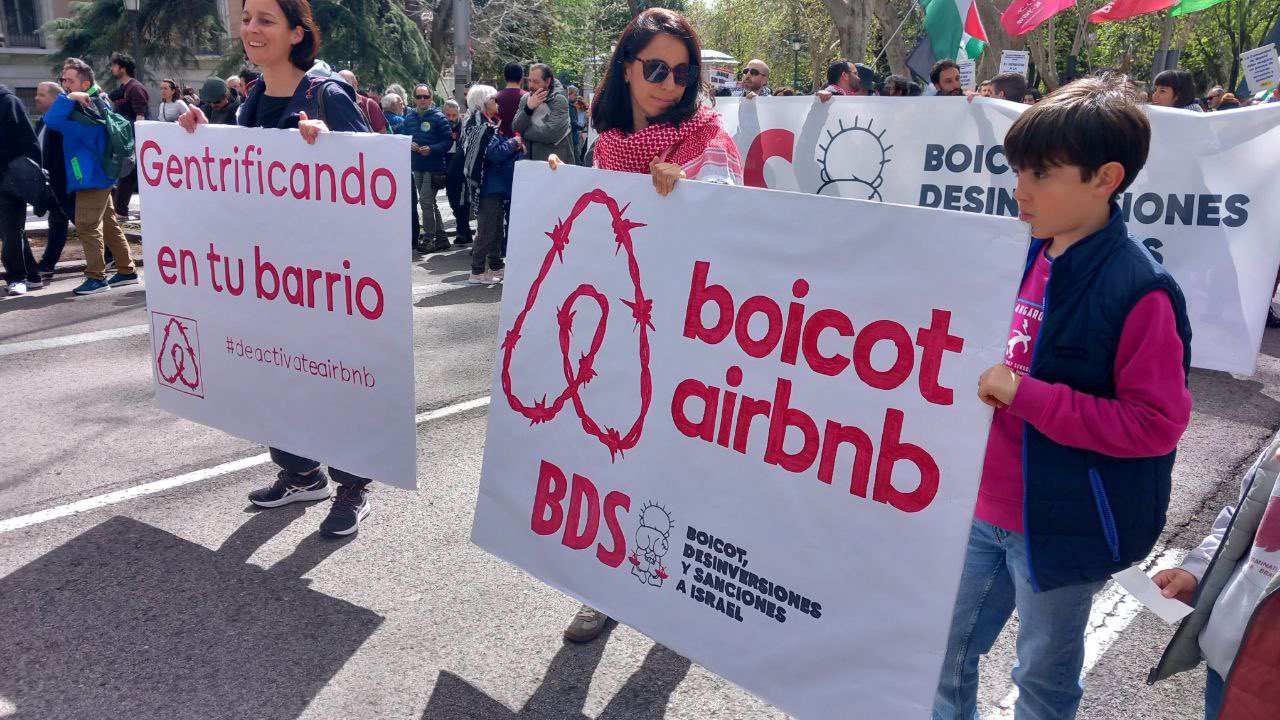

A total of 105 new tourist flat licences have been approved in Malaga city despite a moratorium on Airbnb-style lets.
The vast majority (81) will be built inside a single new development on Calle Paul Dukas, according to the Urban Planning Department.
A further six tourist apartments have been approved for nearby Calle Emilio de la Cerda, while another nine will be created on Calle Capuchinos after the demolition of existing buildings.
Six more holiday apartments are planned for Calle Regimiento, while four homes and a commercial premises on Calle Beatas will be converted into a new tourist apartment building containing four additional units.
In total, four separate buildings will account for 100 of the newly approved tourist apartments.
The approvals have reopened criticism of Malaga’s controversial tourist rental moratorium, which came into force in August 2025 and is due to remain until 2028.
While the measures restrict the creation of new individual holiday lets, entire buildings dedicated to tourist apartments are exempt because they are classified as hotel-style accommodation rather than standard residential housing.
Critics say this loophole is allowing tourism-focused developments, often owned by banks and vulture funds, to continue multiplying across the city despite growing anger over soaring rents and the disappearance of affordable housing.
The City Hall also revealed it has approved 49 separate licences allowing commercial premises to be converted into homes – many of which residents fear could later become more tourist accommodation.
The changes affect areas including Calle Barcenillas, Alameda Principal and Calle Francisco Correa.
Opposition politicians reacted furiously during the Urban Planning council meeting.
PSOE councillor Mariano Ruiz Araujo warned: ‘At this rate, my daughter won’t be able to live in Malaga.’
Con Malaga spokesperson Toni Morillas also attacked plans to continue selling off public land while the city struggles with a severe housing shortage.
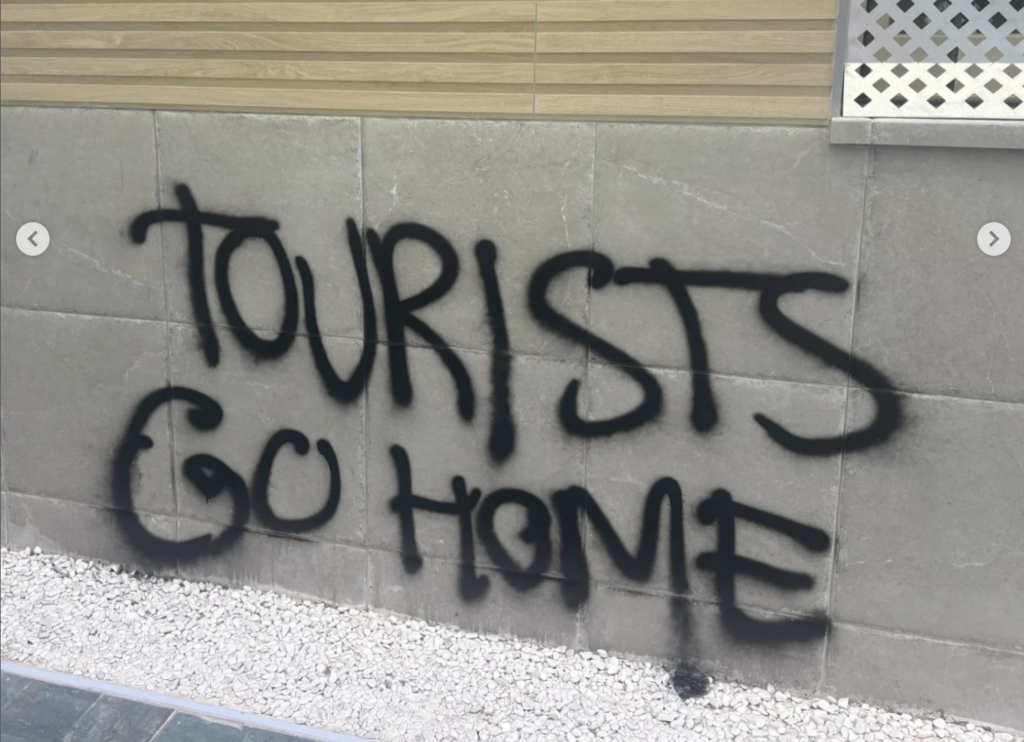
‘We are against continuing to sell public land that could be used for protected housing,’ she said.
According to Spain’s National Statistics Institute (INE), Malaga now has more than 48,200 tourist apartments – vastly outnumbering the amount of protected housing either already built or currently under construction.
Opposition groups and neighbourhood associations argue the city’s model is increasingly pushing local residents out of central districts while replacing traditional commerce with tourism-focused developments.
However, the ruling council insists the sale of public plots and approval of new developments are necessary to finance future urban projects and unlock further residential construction.
Read more Andalucia news at the Spanish Eye.