

Drivers heading to Spain envision scenic coastal roads and leisurely drives through whitewashed villages – and there’s no denying that the country is home to some beautiful routes.
But what many quickly discover is that Spanish roads come with a set of unofficial rules, bizarre habits and outright dangers that nobody warns you about before you arrive.
Fake parking attendants
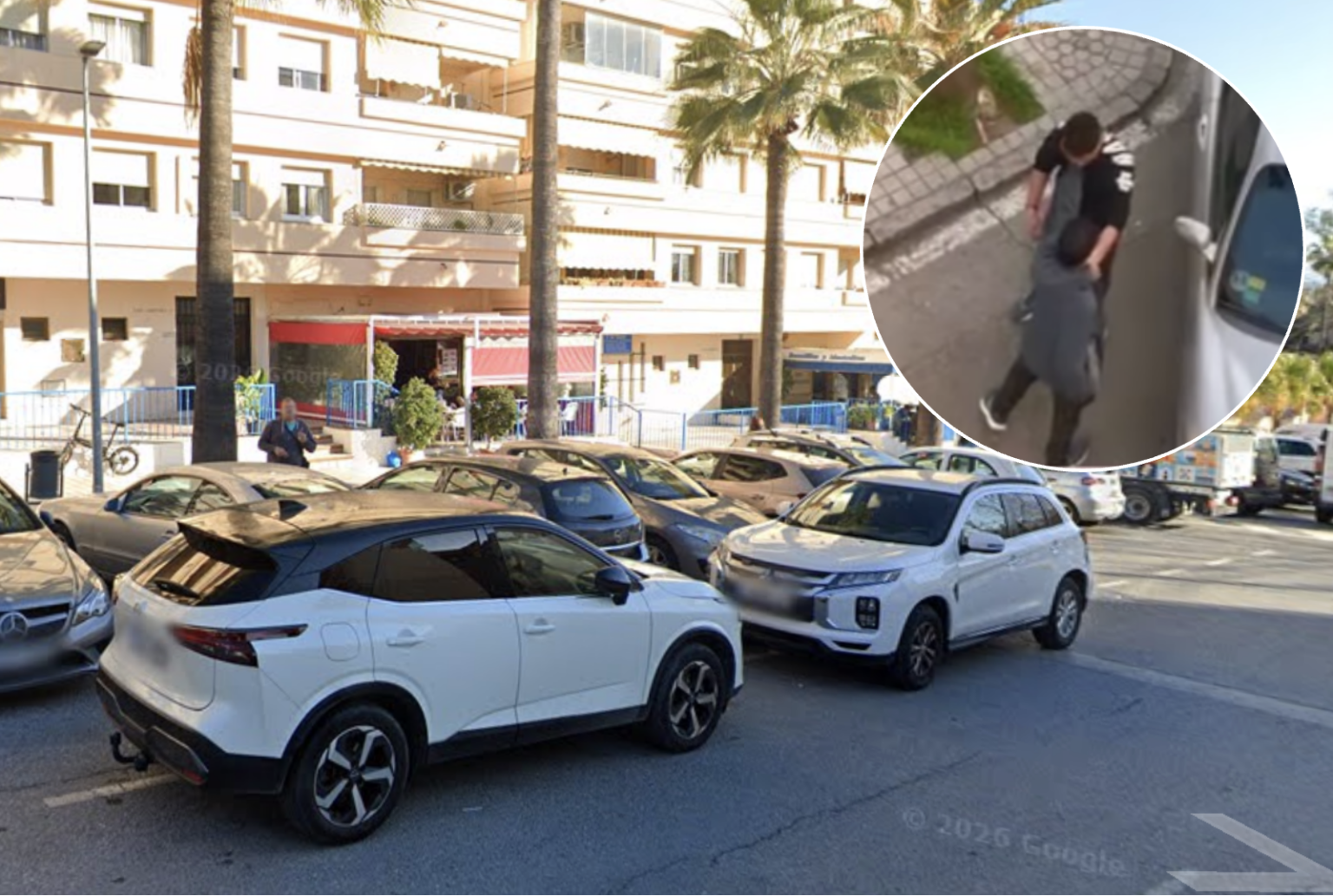
One of the first things you may notice is the army of illegal car park attendants that appear every summer along the Costa del Sol and in major cities like Sevilla, Malaga and Marbella.
You pull into what appears to be a perfectly normal public parking area only to find a man in a fluorescent vest frantically waving you into a spot before expecting a tip for ‘protecting’ your vehicle.
Refuse to pay and you are often left wondering whether your wing mirror will still be attached when you return.
The practice became such a scourge in Sevilla this year that one neighbourhood was forced to patrol the streets at night to usher them away, before the authorities cleared them out of the area.
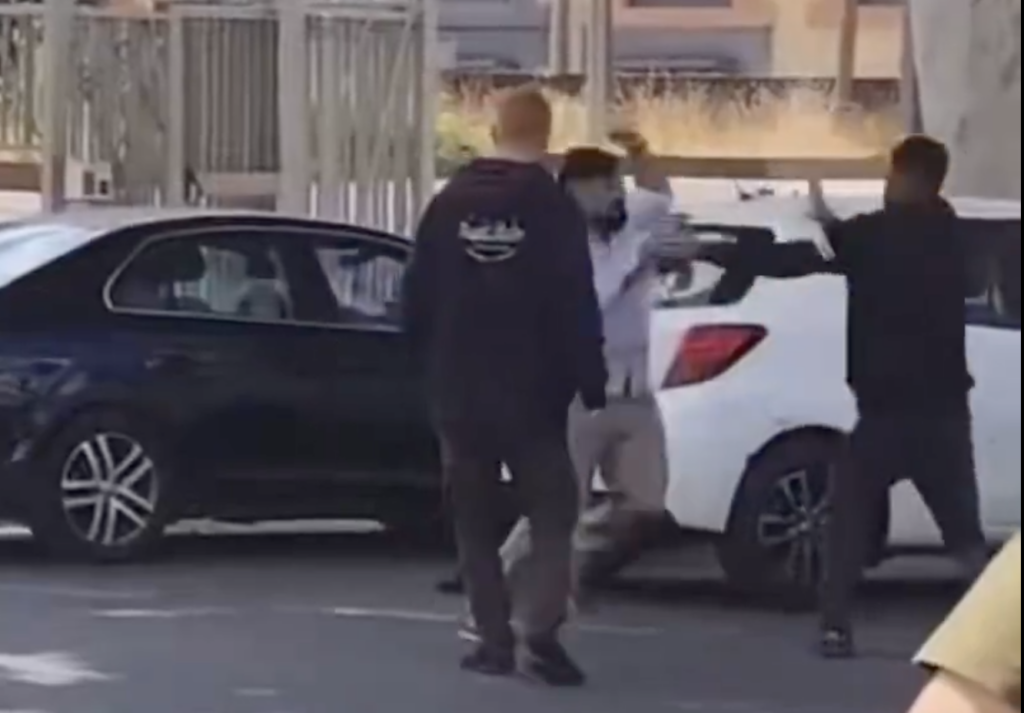
Just this week, however, a rival group of so-called ‘gorrillas’ were seen brawling in the heart of Sevilla city centre.
Double parking
Then there is Spain’s deeply entrenched double-parking culture.
Hazard lights here are often treated less like emergency signals and more like a magical invisibility cloak that permits absolutely anything.
Need to pop into the bank? Park in the middle of the road. Picking up bread? Hazard lights on. Quick coffee? Leave the car blocking half the street.
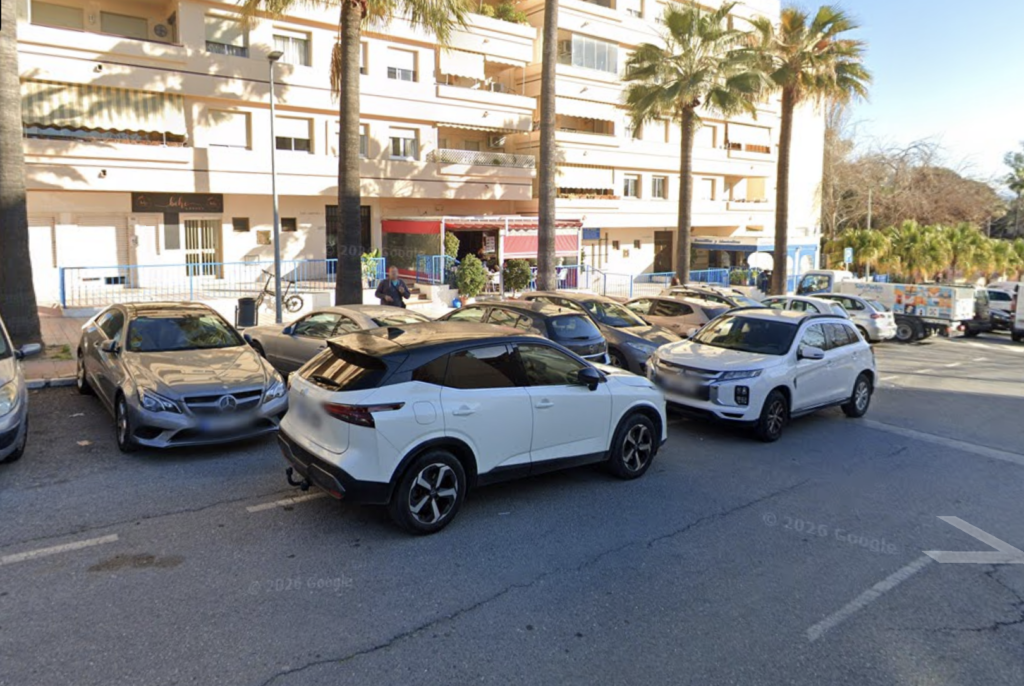
In many towns and cities, entire traffic systems appear to operate around people casually abandoning vehicles while they ‘just quickly’ run errands.
Parking nightmare
During high season, the parking situation becomes even more chaotic.
Summer on the Costa del Sol, for example, no longer feels like a three-month season, as it now stretches from Easter well into October in some areas, and this is when parking transforms into a blood sport.
Beach towns become giant mazes where drivers circle endlessly looking for a space while temperatures hit 35C.
Motorway slip roads
And then there are the motorway access roads.
Some of Spain’s slip roads seem to have been designed by people who have never actually driven a car.
Certain entry lanes onto roads such as the A-7 give drivers only a few seconds to accelerate before forcing them directly into fast-moving traffic with barely any merging space.
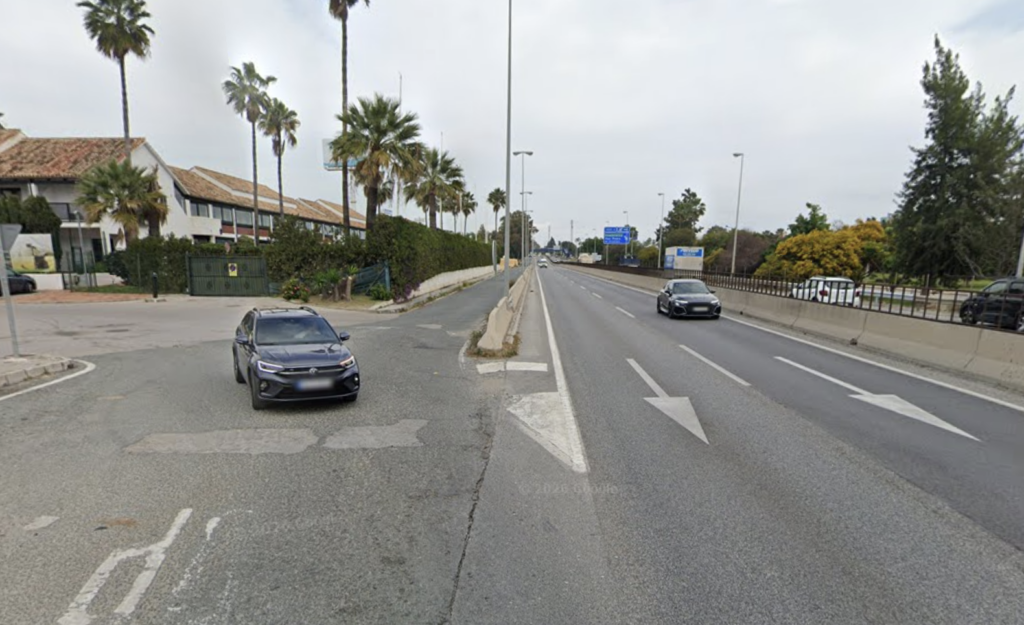
Joining can feel like trying to jump into a skipping rope at full speed while hoping somebody lets you in.
Lethal bus drivers
The A-7 itself comes with potentially lethal bus manoeuvres.
Along stretches of the Costa del Sol, buses frequently stop directly on dual carriageways, often with minimal lay-bys or separation from the road.
The moment passengers finish boarding, many simply launch themselves straight back into traffic with astonishing confidence, often leaving drivers behind slamming on brakes with virtually no warning.
Roundabouts and questionable zebra crossings
Roundabouts, meanwhile, bring their own set of adventures, with seemingly no one knowing what lane they are supposed to use.
The issue is so pervasive that the Spanish authorities, every year, release a new video or infographic explaining how to navigate roundabouts.
But one of the most baffling features is the placement of zebra crossings immediately after roundabout exits.
You are concentrating on exiting correctly, watching multiple lanes and checking mirrors, only to suddenly find pedestrians stepping directly into the road metres after the exit.
It creates an awkward split-second choice between watching incoming vehicles or scanning for pedestrians crossing almost immediately around the bend.
No indication
One of the worst offences is the sheer lack of indication.
There is nothing more inufriating than trying to join a roundabout and you have no idea if oncoming cars are taking the exit before you.
Very often, they will not indicate and will exit before you, robbing you of the chance to join the roundabout as by the time you realise where they are going, another car has come around.
It’s not all bad
Despite all of this, driving in Andalucia can still have its charm.
Road trips through the region can offer up beautifully green scenery, for example.
As can driving up scenic mountain roads (if you don’t have a fear of heights).
Read more Andalucia news at the Spanish Eye.





Been there, done that. I just take a breath and go about my way.