
Spain is on course for yet another record-breaking tourism year in 2026, experts have predicted.
Forecasts from the World Travel & Tourism Council (WTTC) say Spain will remain one of the world’s strongest-performing destinations, with international visitor spending expected to surge past €115billion.
That figure would represent growth of more than 5% compared to last year, while domestic tourism spending is also projected to hit around €75 billion.
The tourism body, which represents some of the world’s largest travel, hotel and financial firms, said global uncertainty has so far done little to dent people’s appetite for travel.
Spain has now strung together several consecutive record tourism years and 2026 appears set to add another.
The WTTC predicts tourism’s contribution to the Spanish economy will grow by 3.7% this year, further cementing the sector as one of the country’s key economic pillars.
Part of the expected growth is being linked to travellers changing holiday plans to avoid the Middle East amid escalating regional tensions.
While global tourism is forecast to expand by 3.2% overall, the WTTC expects the Middle East to be the only major region to suffer a sharp decline, with tourism GDP there projected to fall by 14.5%.
The biggest drop is expected in the United Arab Emirates, where tourism activity could contract by more than 22%.
Europe, meanwhile, is forecast to grow by 3.6%, with Spain and Italy expected to outperform much of the continent.
Industry analysts say some tourists who may previously have travelled to destinations in the Gulf are instead choosing Mediterranean countries viewed as safer and more stable – including Spain.
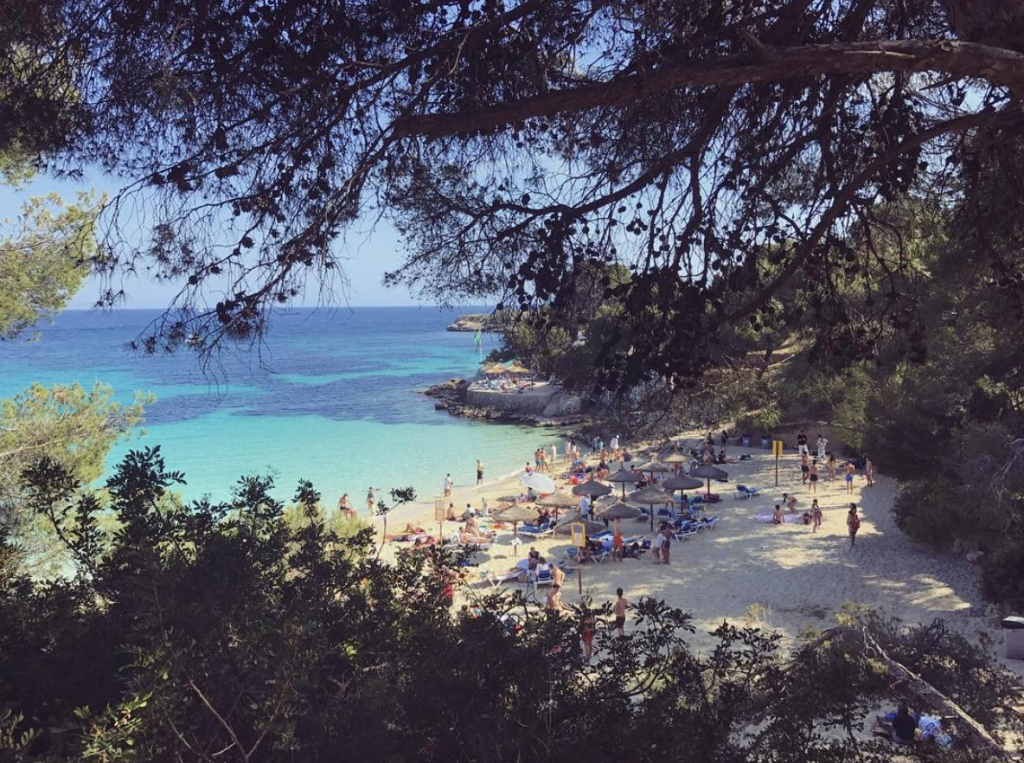
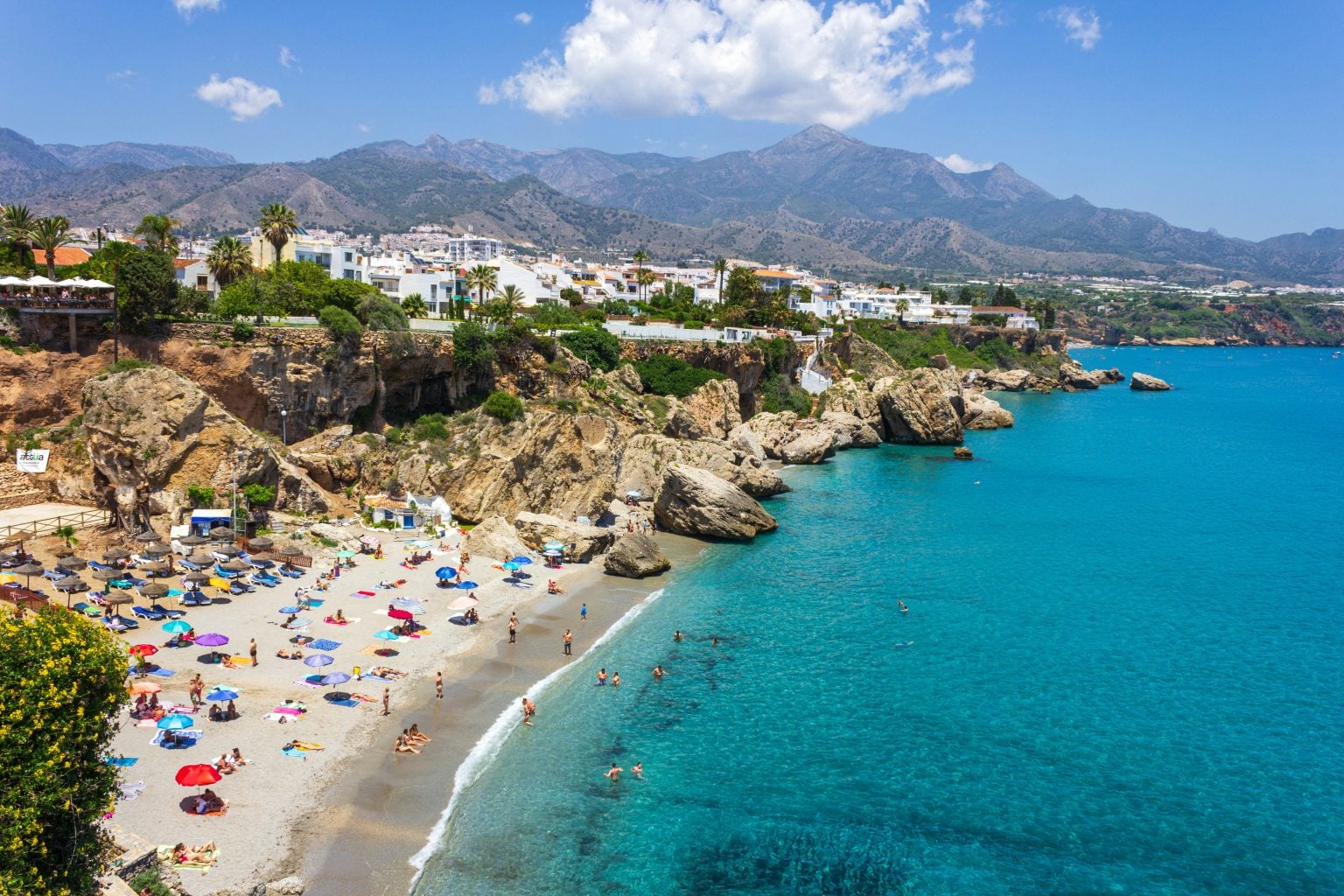
The Costa del Sol, Balearic Islands and Canary Islands are all expected to benefit from the trend.
Despite concerns over inflation and higher travel costs, the WTTC said demand for holidays remains extremely resilient.
The organisation also moved to reassure travellers over fears of aviation fuel shortages this summer, insisting there are no expected problems with kerosene supplies despite disruption to some flight routes in the region.
Although several airlines have cancelled certain domestic and short-haul routes linked to the conflict zone, authorities and tourism bodies continue to insist there is no wider threat to summer travel connectivity.