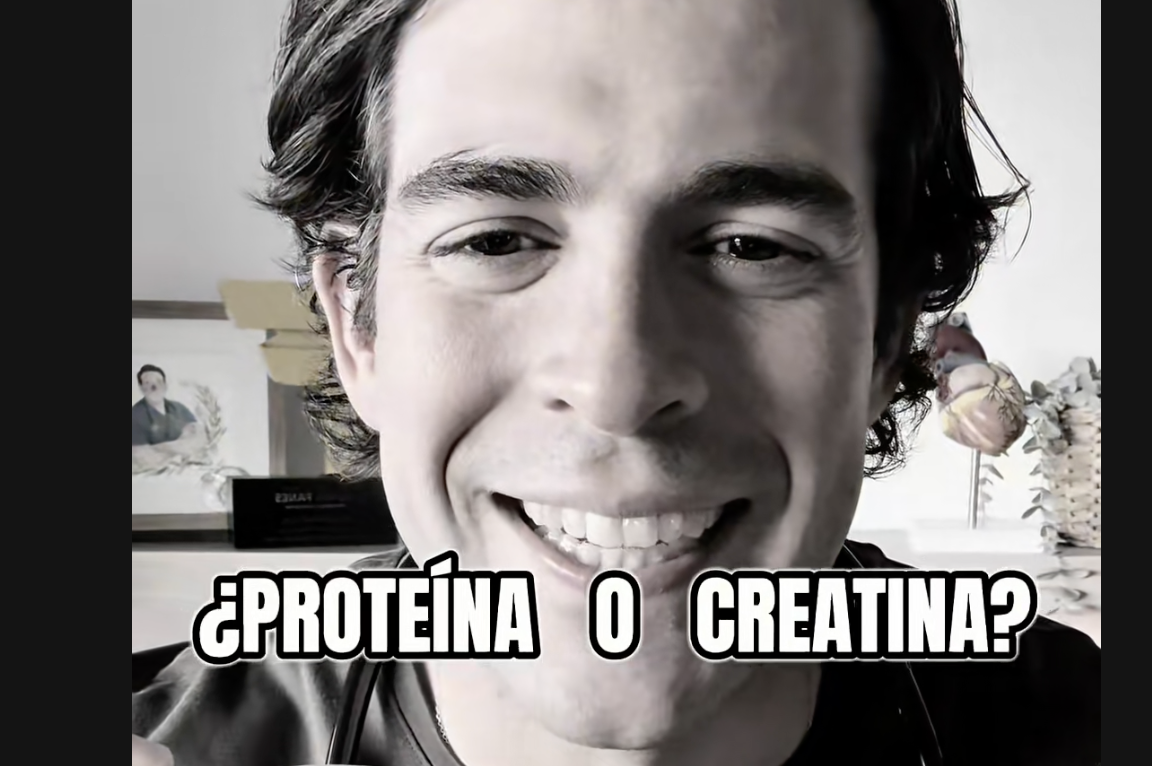

When it comes to supplements, one question keeps coming up: should you take protein or creatine?
According to Spanish cardiologist Aurelio Rojas, they’re not interchangeable, and they serve very different roles in your body.
Why protein matters for heart health
Protein isn’t just for gym-goers but an essential nutrient that helps maintain muscle mass, supports your immune system and keeps your metabolism functioning properly.
As you age, losing muscle mass is linked to a higher risk of frailty, type 2 diabetes and cardiovascular problems. In other words, not getting enough protein can indirectly impact your heart.
Rojas stresses that making sure you hit your daily protein intake is one of the most important things you can do.
As a rough guide:
- Sedentary adults need around 0.8g per kilo of body weight per day
- Active adults should aim for 1.2 to 1.6g
- Those doing regular strength training may need up to 2g
- Over-60s should target at least 1.2g to prevent muscle loss
For example, someone weighing 70kg would need between 56g and 110g per day depending on their lifestyle.
If you’re not reaching those levels through food alone, protein supplements can help fill the gap.
What creatine actually does
Creatine, on the other hand, works differently.
It’s a naturally occurring compound that helps your cells produce energy, particularly in muscle tissue.
Research suggests it can:
- improve strength
- boost physical performance
- help preserve muscle as you age
- support brain function in some cases
The typical dose studied is around 3 to 5 grams per day.
Rojas says creatine can be especially useful for people who train regularly, older adults, women going through menopause, and those with low meat or fish intake.
So which is better?
It’s not really a competition.
Protein is fundamental. It supports overall health and plays a long-term role in protecting your body — including your cardiovascular system.
Creatine is more targeted. It can enhance performance and help maintain muscle, but it’s not a replacement for proper nutrition.
Rojas makes it clear that no supplement can replace the basics.
Regular movement, a balanced diet and good sleep are still the foundation of good health, he says.
Read more Andalucia news at the Spanish Eye.