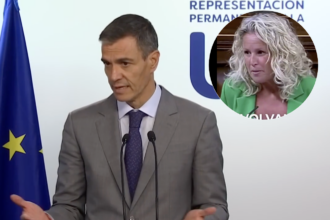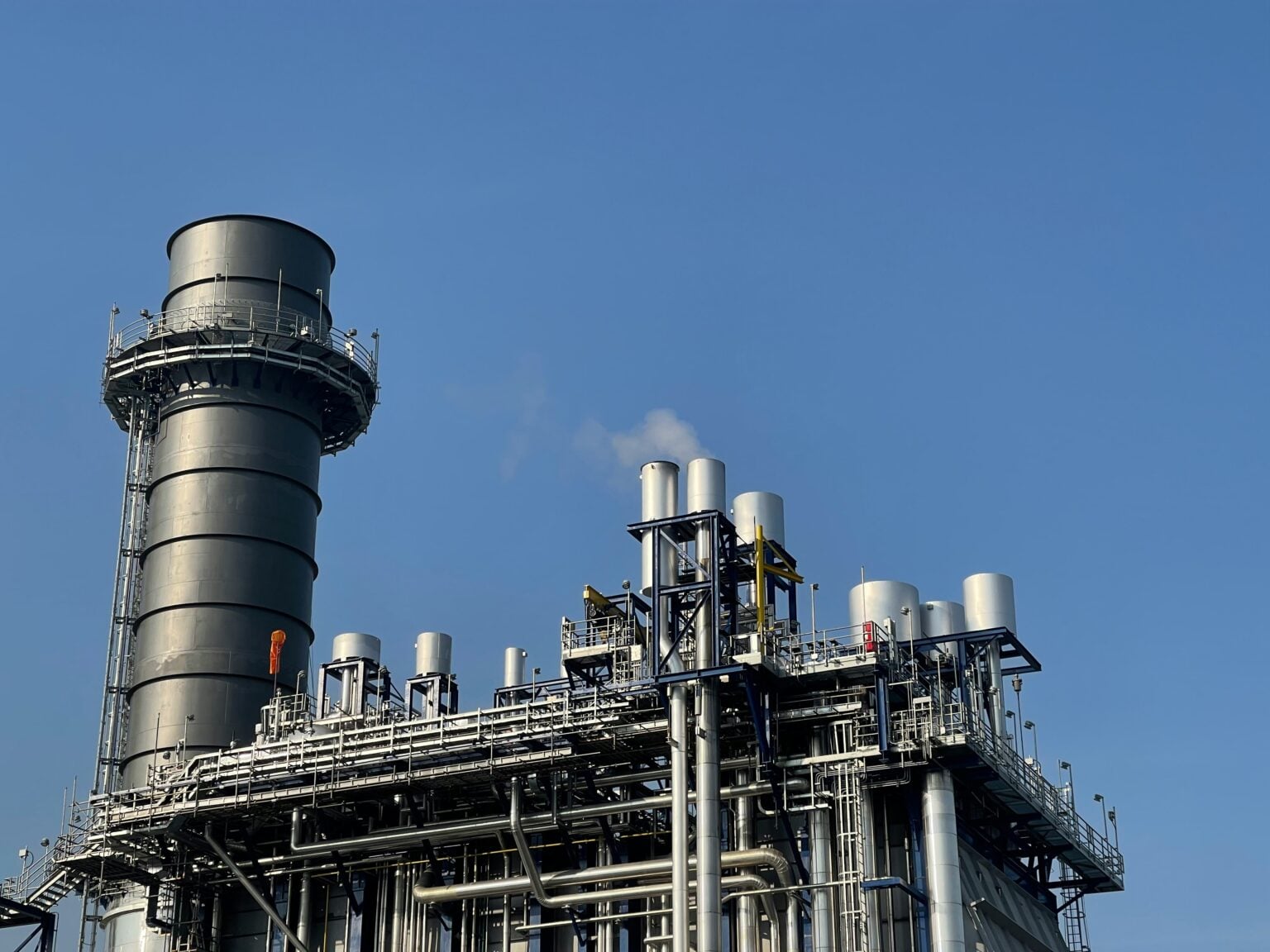

The European Commission is considering a plan that could see countries share fuel reserves in case of shortages amid the ongoing conflict in the Middle East.
It comes amid growing concerns over jet fuel supplies, as tensions in the vital Strait of Hormuz raise the risk of disruption to global energy markets.
Spain is seen as one of the best-positioned countries to help, thanks to its strong refining capacity.
The country produces around 80% of the fuel it consumes, meaning it has more flexibility than many EU partners that rely heavily on imports.
If shortages arise, particularly of kerosene used in aviation, Spain could be asked to share part of its reserves with other member states.
Speaking in Madrid, EU Energy Commissioner Dan Jørgensen said Brussels is preparing a package of measures to deal with potential supply risks.
‘We need to know what we have, what we buy and what we sell,’ he said, stressing the importance of data to determine whether resources need to be redistributed across the bloc.
The aim is to create a coordinated response, avoiding the kind of fragmentation seen during previous energy crises.
For now, there is no confirmed shortage of jet fuel in Spain.
Industry body ALA has already said supplies for the summer season are guaranteed, despite the geopolitical tensions.
However, officials acknowledge that the situation could change quickly depending on developments in the critical Strait of Hormuz.
As part of the upcoming EU package, the Commission is expected to recommend that member states cut electricity taxes to ease pressure on consumers.
But Jørgensen ruled out introducing a new windfall tax on energy companies – a measure previously backed by Spain – saying the current situation does not justify it.