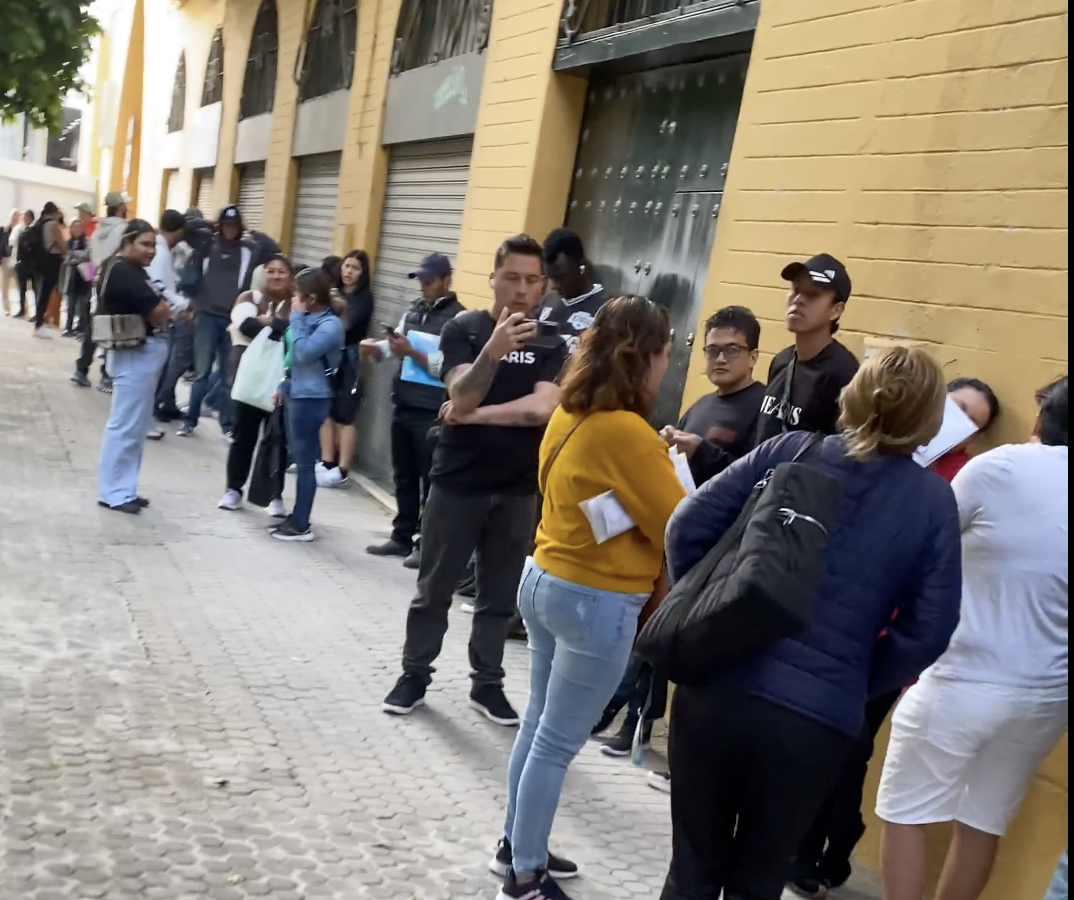

More than 200,000 migrants have already applied for Spain’s new regularisation programme, but charities warn that over a third may fail to qualify before the deadline expires later this month.
The extraordinary measure, approved by the government in April, allows certain undocumented migrants already living in the country to obtain legal residency, access healthcare and work legally.
However, the scheme does not grant Spanish nationality or voting rights.
According to estimates from NGOs and government sources, around 35% of applicants currently do not meet the requirements needed to secure legal status.
To qualify, applicants must prove their identity, demonstrate they have been living in Spain for at least five months and provide criminal record certificates from Spain and any other countries where they have resided.
Applicants may also qualify if they have previously worked in Spain or have dependent children or elderly relatives living in the country. The application deadline is June 30.
For many migrants, the programme represents a life-changing opportunity.
Alvaro, a 27-year-old industrial administration graduate from Colombia, is among those waiting for a decision.
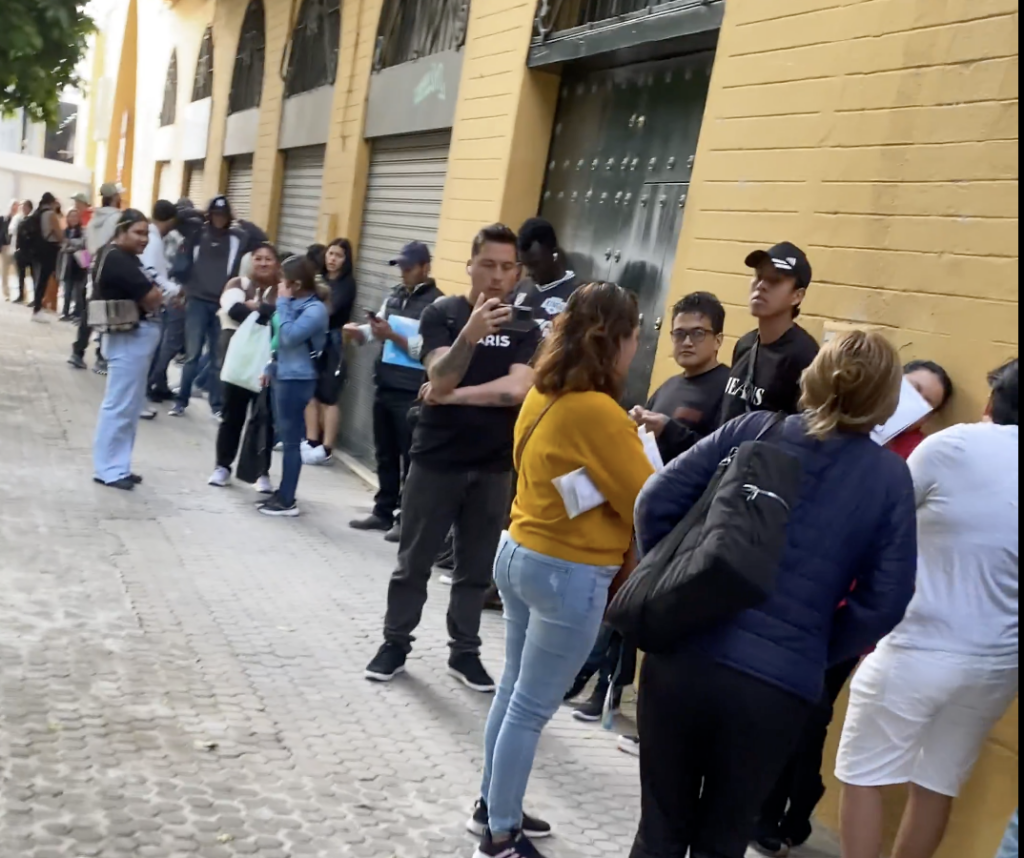
He currently lives with his brother in Los Palacios, near Sevilla, after arriving in Spain in search of better job prospects.
Although he says he already has several job offers in Andalucia, he cannot legally accept them until he receives a work permit.
‘I just want to start working,’ he explained to Europa Sur.
The jobs available to him are currently in construction, far removed from the career he trained for in Colombia, but he hopes they could provide a first step towards building a future in Spain.
Like many migrants, Alvaro entered Spain legally as a visitor.
He was required to show return flights, accommodation bookings and proof of funds before travelling – but he never boarded the return flight home.
If his application is rejected, he says he plans to remain in Spain and pursue residency through the country’s ‘arraigo’ system, which allows some undocumented migrants to regularise their status after living in Spain for a prolonged period and establishing links to the community.

One of the biggest problems facing applicants is paperwork.
Charities say demand for so-called vulnerability certificates has created significant bottlenecks.
These documents can only be issued by local authorities, social services departments or authorised organisations.
Sevilla-based NGO Luz Azul says it is currently helping more than 50 migrants every day navigate the process.
The organisation told Europa Sur that many applicants arrive confused about the requirements and often receive conflicting information from different public bodies.
‘There are people who have completed all their paperwork and have still been waiting weeks without a response,’ the organisation said.
The charity also revealed that between 80% and 90% of applicants hire lawyers to assist with the process, often paying around €500 for legal help.
Many migrants share information through social media groups, where recommendations for lawyers and advice on paperwork circulate rapidly.
NGOs warn that the system is becoming overwhelmed.
Some required certificates take more than 20 days to obtain, leaving many applicants racing against the June 30 deadline.
As a result, charities assisting migrants believe the government may ultimately be forced to extend the application period.
For now, thousands remain in limbo, waiting for a response that could determine whether they are able to live and work legally in Spain.
For people like Alvaro, the outcome could be life-changing.
‘I know many people have already received positive responses,’ he said. ‘Now I’m just waiting for mine.’