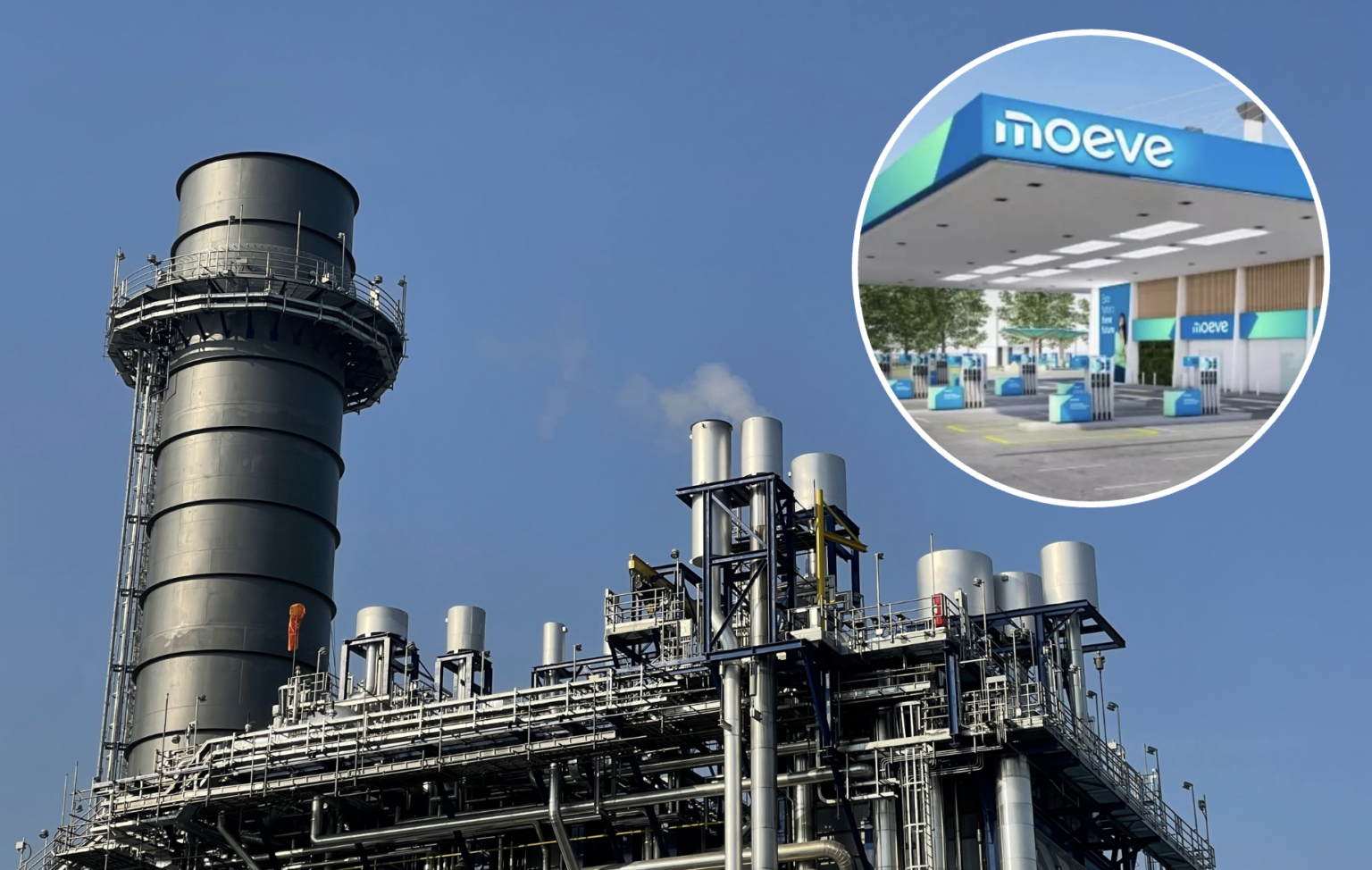

Energy firm Moeve is boosting its jet fuel production in Andalucia as fears grow over a potential shortage triggered by tensions in the Middle East, it has emerged.
The move comes as the closure of the vital Strait of Hormuz continues to disrupt supplies, raising alarm bells across the aviation sector.
Moeve, the former Cepsa, typically produces around three million tonnes of jet fuel a year, equalling roughly 58,700 barrels per day, at its energy parks in La Rabida (Huelva) and San Roque (Cadiz).
But with Middle East exports under pressure, the company has increased output at a critical moment, as Europe scrambles to secure supply.
The fuel in question, Jet A1, is essential for commercial aviation and any disruption to its availability risks grounding flights across the continent.
Six-week warning for Europe
The International Energy Agency (IEA) has warned Europe may have as little as six weeks of aviation fuel reserves, with airports already bracing for disruption if the situation drags on.
Industry bodies have gone further, warning of a potential ‘systemic crisis’ within three weeks if supply routes are not restored.
Around 40% of Europe’s imported aviation fuel is linked to flows through the Gulf, meaning prolonged disruption could quickly translate into shortages.
Spain in a stronger position for now
Spain is better placed than many of its European neighbours.

The country is a net exporter of aviation fuel, producing more than it consumes, and Moeve alone accounts for over a third of national output.
It also holds strategic reserves managed by Cores, the state-backed body overseeing emergency fuel stocks, alongside additional operational reserves held by companies themselves.
Crucially, Moeve sources crude oil from a diversified global mix, limiting its exposure to Middle East disruption.
That gives Spain a buffer but not immunity.
Flights at risk if crisis deepens
Even with increased production, the wider European system remains vulnerable.
If alternative supply cannot replace lost oil flows, experts warn the impact could be felt quickly:
Airlines may be forced to cut routes, flight prices could surge and airport operations may face disruption.
EU officials have so far played down immediate risks, insisting there is no current shortage, but acknowledge problems could emerge ‘in the near future’ if the crisis persists.
A race against time
Demand for aviation fuel is still rising globally, with the IEA forecasting 7.8 million barrels per day in 2026.
At the same time, Europe’s own refining capacity has shrunk in recent years, increasing reliance on imports, particularly from the Gulf.
That leaves the continent exposed, and means Spain’s ramped-up production may help cushion the blow.
However if the Hormuz crisis continues, it will not be enough to shield Europe entirely.
Read more Andalucia news at the Spanish Eye.