
Traders at Malaga’s famous Atarazanas Market say tourists are increasingly treating the historic food hall like a museum rather than a place to shop.
Complaints from stallholders have prompted Malaga City Hall to introduce new signs in both Spanish and English asking visitors not to touch produce, take photographs without permission or block the market’s narrow aisles.
The move comes after months of frustration among traders, many of whom say crowds of sightseers, many of them Brits, are making it difficult for genuine customers to move around the market.
Located in the heart of Malaga’s old town, Atarazanas is one of the city’s most popular attractions, drawing thousands of visitors every week.
But some stallholders claim tourism is now beginning to work against them.
‘There are times when the market is completely full of tourists,’ said market president Julian Sanchez Guerrero.
‘The aisles become blocked and people complain. Around 90% of those who come through are tourists and many of them spend their time touching the products.’
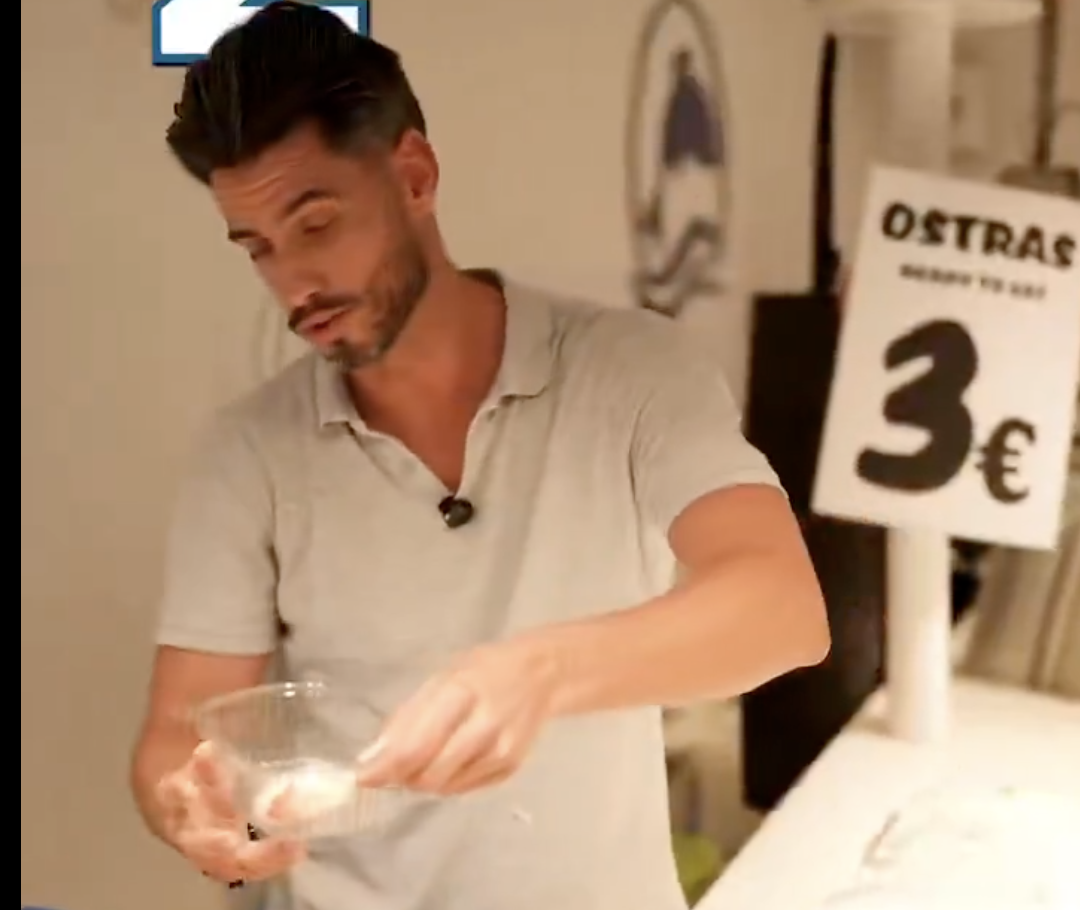
Several traders said visitors regularly stop to photograph seafood displays, film workers preparing food and crowd around stalls without making purchases.
‘They come as if this were a museum,’ said Alicia and Lola to La Opinion de Malaga. The women work at a takeaway breakfast and ice cream business inside the market.
‘The corridors are saturated with people taking photos and wandering around without buying anything.’
The frustrations are shared by locals on social media.
One wrote on X: ‘The guiri swells with pride from taking photos and fondling the products, but doesn’t buy a damn thing!’
Another said about the warning signs being in English: ‘In English, since the Malagueños no longer manage to shop there because they are dodging so many guiris.’
Some traders pointed to cruise tourism as a particular challenge.
Paola Garcia, who runs a delicatessen stall, said many visitors arriving from cruise ships have little reason to spend money in the market because meals are already included in their holiday packages.
‘In summer, business slows down because of the all-inclusive tourist,’ she said.
According to traders, visitors often ask for free samples while filming staff preparing products.
‘People watch us slicing expensive ham and think we’re here to hand out tastings,’ García said. ‘To try it, you have to buy it.’
One unexpected complaint centres on the market’s public toilets.
Several workers claim organised tour groups regularly use the facilities, creating long queues for staff.
Fishmonger Inma said workers sometimes have to wait behind 15 or 20 people simply to use the bathroom during a busy shift.
Some traders have even suggested introducing a symbolic €1 charge for tourists entering the market, arguing the money could help pay for additional cleaning, maintenance and security.
Others believe limiting visitor numbers would improve the experience for both shoppers and traders.
Despite the frustrations, not all stallholders agree that tourists are to blame.
Many acknowledge that international visitors now provide a significant proportion of their income and warn against creating the impression that tourists are unwelcome.
Long-time shopper Maria, who has been using the market for more than 50 years, admitted the crowds can be frustrating but insisted Atarazanas remains one of Malaga’s most special places.
Read more Andalucia news at the Spanish Eye.