
The Costa Tropical has been described as Spain’s most underrated coastline by The Times newspaper.
While millions of tourists flock to the Costa del Sol each year, Granada’s neighbouring coast remains largely overlooked by international visitors – despite offering dramatic scenery, historic towns, hidden beaches and one of the most unique climates in Europe.
The coastline stretches for around 80km between Nerja and La Rabita, squeezed between the Mediterranean Sea and the foothills of the Sierra Nevada. What it lacks in size, it more than makes up for in character.
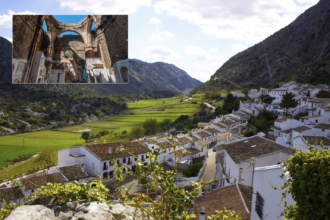
One of the first things visitors notice is the landscape.
Steep mountains plunge directly into the sea, creating a coastline of rugged cliffs, secluded coves and spectacular viewpoints.
Ancient watchtowers and centuries-old castles stand guard above the shoreline, reminders of the region’s strategic importance throughout history.
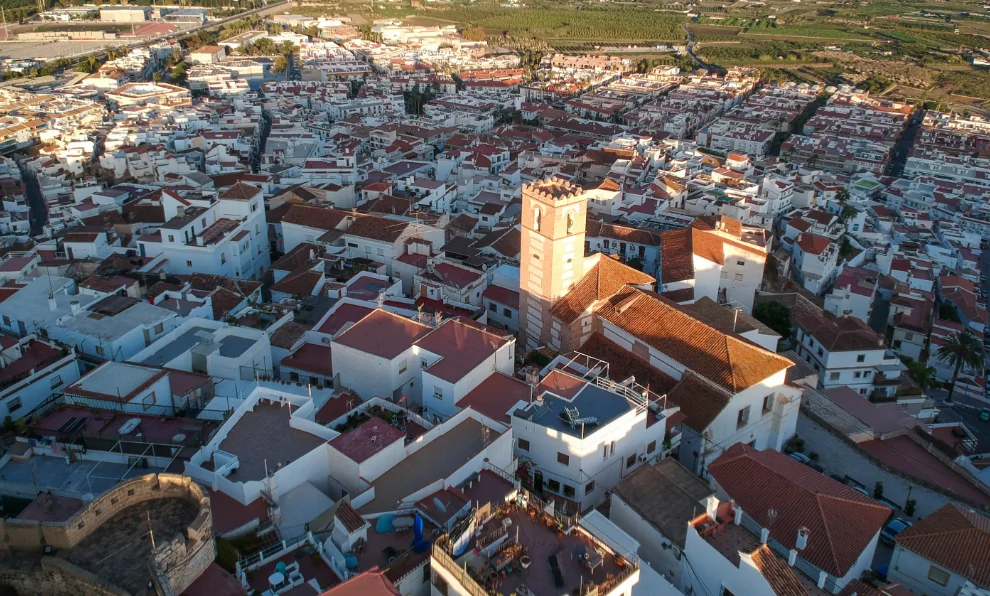
Among the highlights are the hilltop castles of Salobreña and Almuñecar, both offering stunning views across the Mediterranean.
The Costa Tropical owes its name to its extraordinary microclimate.
Protected by the Sierra Nevada mountains, the area enjoys mild winters and warm summers, creating conditions that allow tropical fruits to thrive. Mangoes, cherimoyas, avocados, figs and pomegranates are grown throughout the region.
It is also home to mainland Europe’s only commercial coffee plantation, a little-known fact that surprises many visitors.
La Herradura: a local favourite
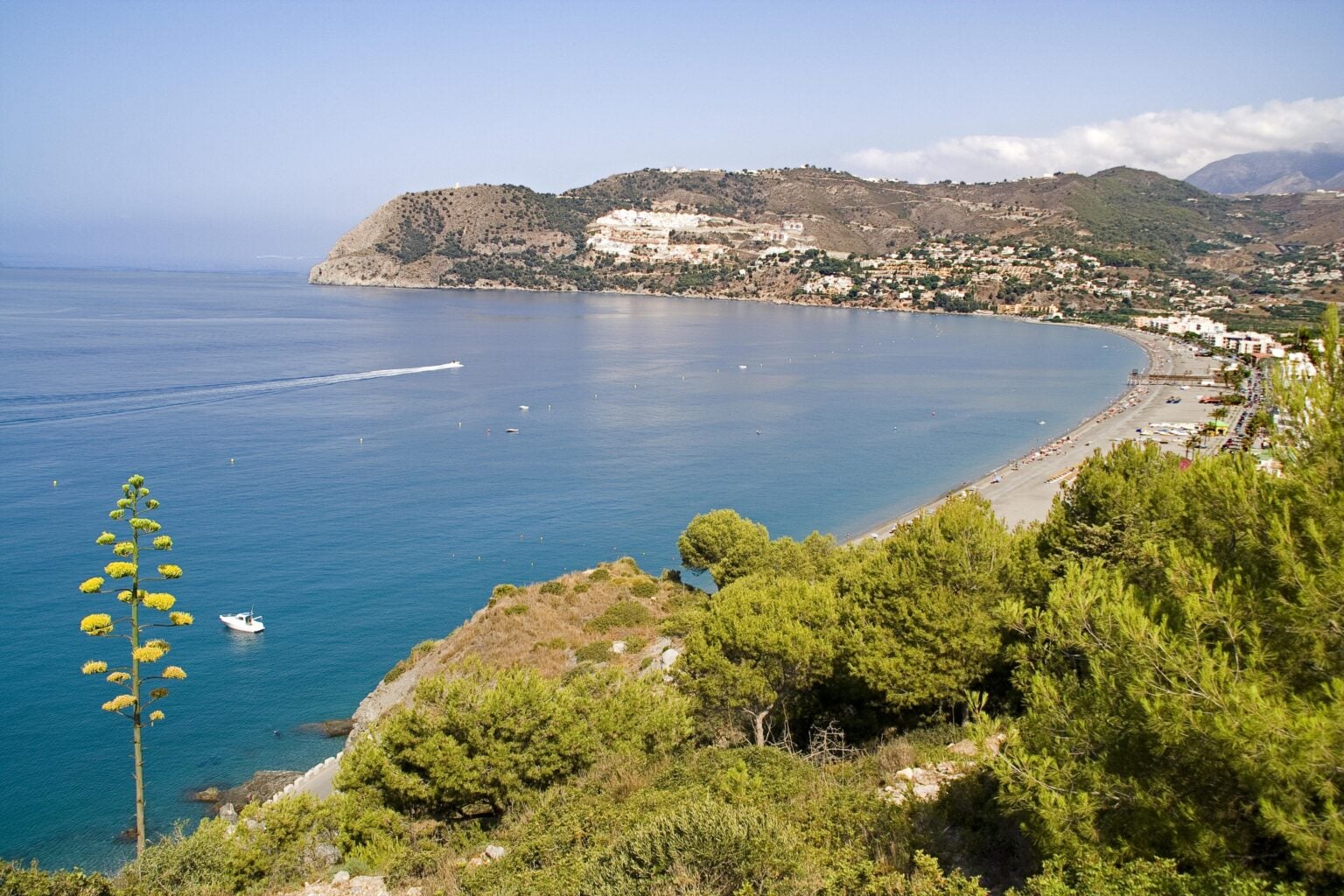
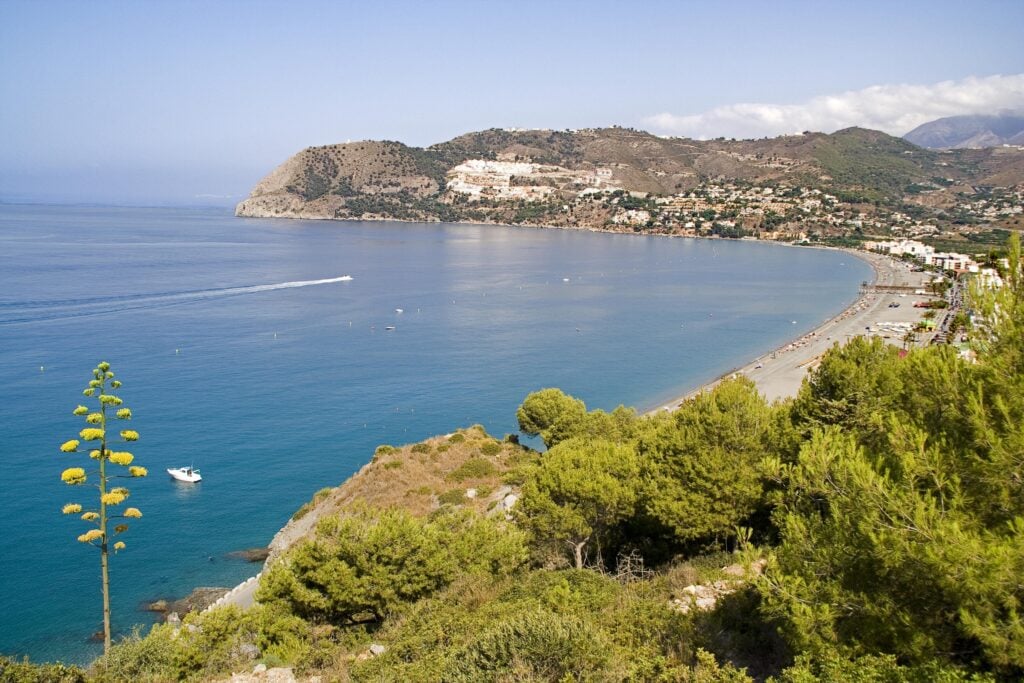
Among the many towns along the coast, La Herradura is often considered one of the most beautiful.
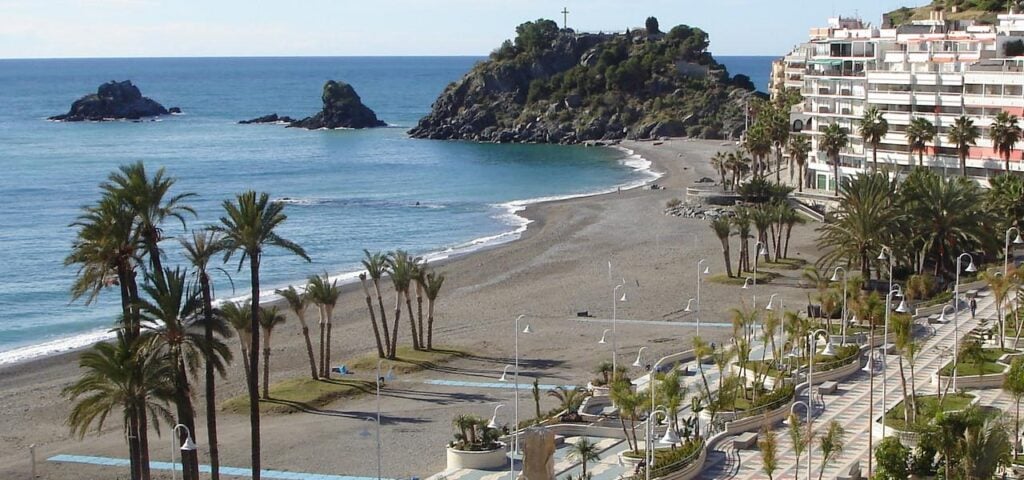
The bay is framed by two dramatic headlands, Punta de la Mona and Cerro Gordo, creating a stunning natural setting around its long pebble beach.
Unlike many coastal resorts elsewhere in Spain, La Herradura has avoided large-scale development. There are no rows of high-rise hotels dominating the skyline.
Instead, visitors will find a relaxed atmosphere, whitewashed houses, independent restaurants and a community made up largely of Spaniards alongside a small number of northern European residents.
Beaches worth seeking out
Part of the Costa Tropical’s appeal is that many of its finest beaches remain relatively unknown.
One of the standout spots is Playa de Cantarrijan, a picturesque beach hidden beneath towering cliffs in the protected Cerro Gordo Natural Area.
Elsewhere, small coves and quiet stretches of coastline provide a welcome alternative to the busier beaches found further west on the Costa del Sol.
Outdoor living at its best
The Costa Tropical is a destination built around the outdoors.
Visitors can spend their days kayaking along the cliffs, paddleboarding across calm bays, diving in crystal-clear waters or exploring hiking trails that connect mountain villages with the coast.
The region is also famous for its traditional chiringuitos, where diners can enjoy fresh seafood with their feet practically in the sand while looking out across the Mediterranean.
A different side of southern Spain
Perhaps the biggest surprise about the Costa Tropical is how few international visitors know about it.
Despite being just an hour from Malaga Airport, it has retained a distinctly Spanish feel and remains far less developed than many of the country’s better-known coastal destinations.
For travellers looking for authentic Andalucía, dramatic landscapes, historic towns and beautiful beaches without the crowds, Granada’s Costa Tropical may be one of Spain’s best-kept secrets.