
Weeks after Andalucia’s regional elections, there is still no sign of formal negotiations between the centre-right Partido Popular and hard-right Vox.
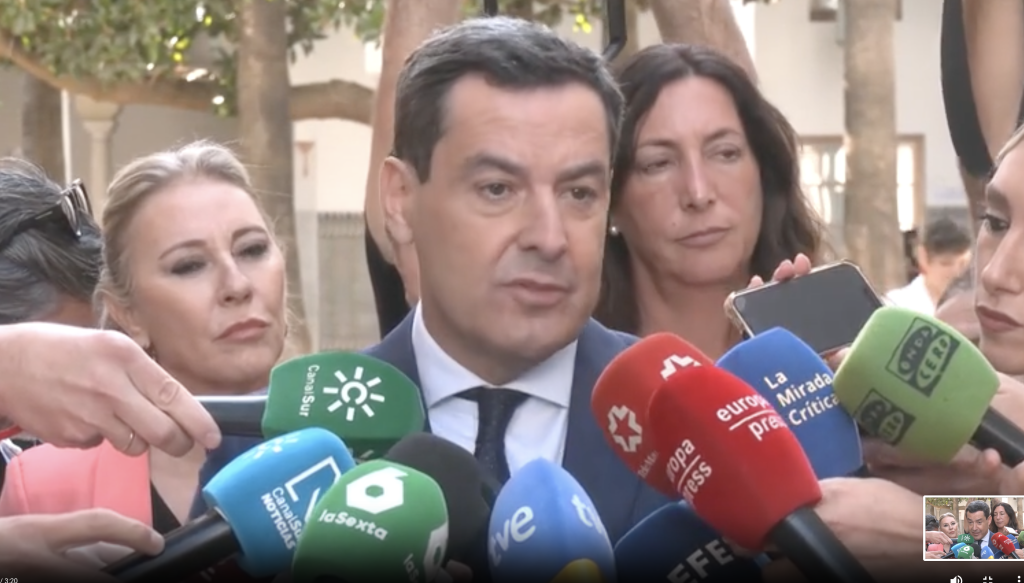
This is despite the fact that the two parties appear destined to reach some form of agreement if Juanma Moreno is to remain president.
The May 17 election left Andalucía with a hung parliament after Moreno’s PP increased its vote share but fell two seats short of an outright majority.
During the campaign, Moreno repeatedly described governing with Vox as ‘a problem’, but the election result means he is likely to need the support of Santiago Abascal’s party to secure his investiture and pass future legislation.
For now, both sides appear to be engaged in a political waiting game.
While PP figures insist there is still plenty of time before parliament is constituted on June 11, Vox says it is becoming frustrated by the lack of contact.
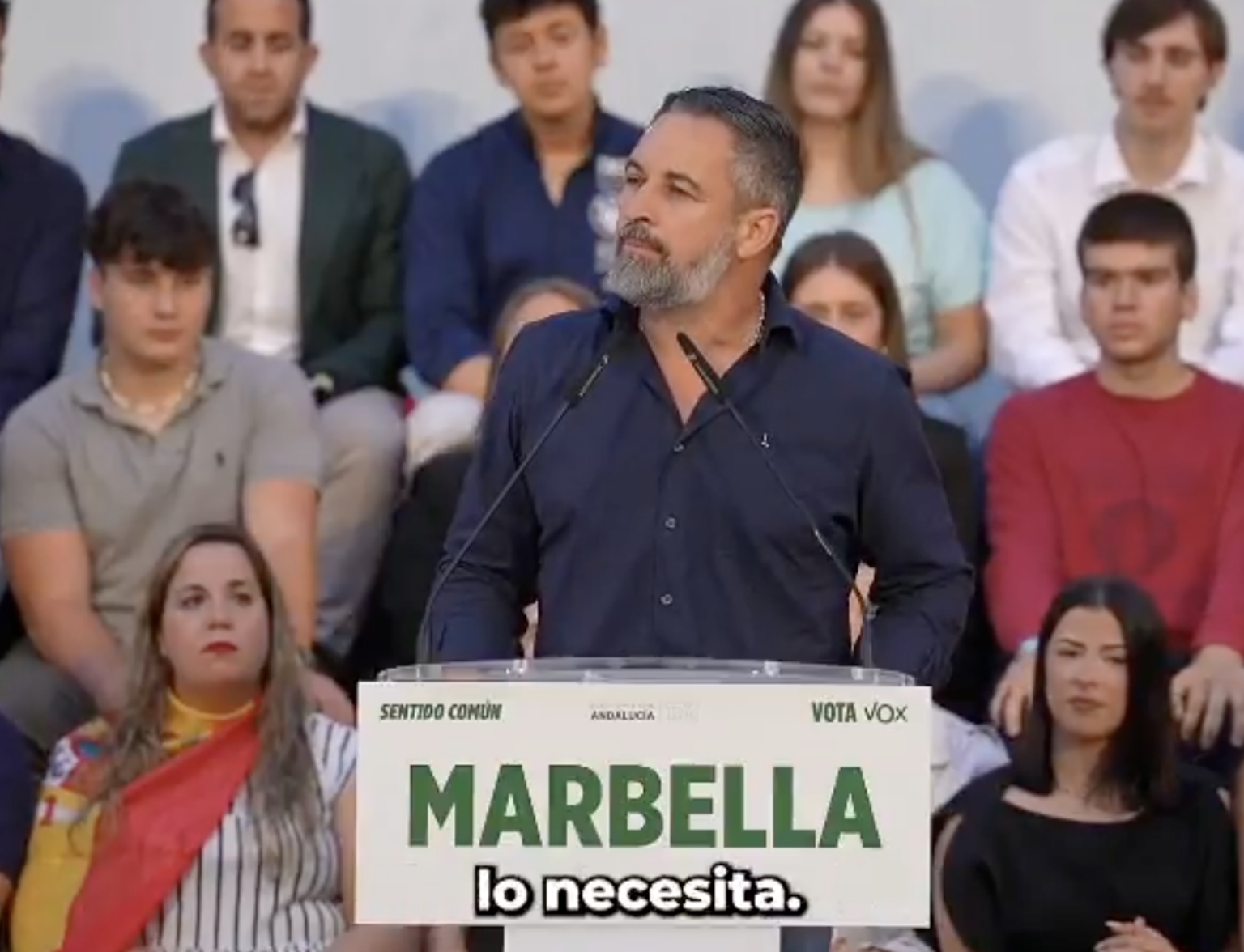
Vox parliamentary spokesman Manuel Gavira has publicly called on Moreno to name a date and time for talks, insisting that Andalucía ‘cannot afford to waste a single second’.
So what exactly is Vox demanding?
According to Gavira, the party’s priorities are already well known.
They include what Vox describes as ‘national priority’ policies, support for farmers, tax cuts and a tougher approach to what the party calls ‘mass immigration’.
The same demands have featured prominently in negotiations between Vox and the PP in other regions, including Aragon and Extremadura.
‘What is wrong with these measures when Moreno’s colleagues elsewhere have already approved them?’ Gavira recently asked reporters.
The issue of immigration is expected to be one of the most contentious.
Vox has repeatedly campaigned on tougher border controls, deportations for illegal migrants and restrictions on migration-related spending, positions that have often placed it at odds with both the left and more moderate elements of the PP.
The party is also pushing for measures aimed at reducing taxes and increasing support for Andalucia’s agricultural sector, which remains a key part of the regional economy.
For now, Vox has stopped short of publicly demanding ministerial positions within the regional government.
However, Gavira has not ruled out the possibility and has repeatedly stressed the need for direct negotiations.
He has also challenged Moreno’s recent suggestion that he would be more comfortable reaching agreements with the PSOE on certain issues.
‘If he wants to be president, he has two options,’ Gavira said. ‘Either he reaches an agreement with Vox or he reaches an agreement with the left.’
The PP, meanwhile, appears keen to avoid a formal coalition if possible.
Party leaders have pointed to the arrangement used by Sevilla mayor Jose Luis Sanz as a potential model, whereby the PP governs alone while negotiating issue-by-issue support from Vox when necessary.
National PP leader Alberto Nuñez Feijoo recently described that approach as ‘a model worth copying’.
The Andalucian parliament will formally convene on June 11, when members of the parliamentary board will be appointed.
Only then are negotiations expected to begin in earnest.
After parliament is constituted, the speaker will have 15 working days to nominate a candidate for investiture.
While the deadline for a confidence vote extends much later into the summer, political analysts agree that Moreno’s path back to power almost certainly runs through Vox.
Read more Andalucia news at the Spanish Eye.