
Childhood cancer is one of the cruellest challenges any family can face.
Yet in Andalucia, survival rates for young patients are now among the highest in Europe at 84%, according to the region’s health authorities.
This figure, announced over the weekend by Antonio Sanz, the Junta’s minister for health, reflects not just advances in medical treatment but a deepening investment in infrastructure, care and support.
One of the cornerstones of Andalucia’s success is its network of specialist cancer units across major hospitals in Sevilla, Malaga and Granada.
This year, the Junta approved the creation of a new regional network for paediatric and adolescent cancer care, ensuring uniform treatment standards across all eight provinces.
For families in rural areas, this reduces the need to travel long distances and ensures early access to diagnosis and treatment, which are both key to survival.
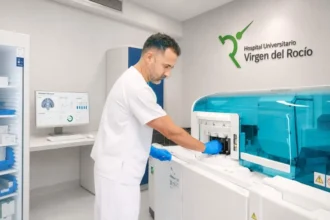
In Sevilla’s Virgen del Rocio Hospital, one of the region’s most advanced medical facilities, a new adolescent oncology ward will soon open its doors.
Known as ‘Planta Cero’, the unit will cater to teenagers aged 14 to 18, offering 12 private rooms and spaces tailored to the unique emotional and physical needs of that age group.
‘This is about dignity and quality of life,’ said Sanz during a fundraising event this weekend. ‘These are young people, not just patients.’
The facility forms part of a broader strategy to adapt paediatric care to different age brackets, recognising that teenagers often fall through the cracks of child and adult services.
Sanz made the announcement during the ‘Tus kilómetros nos dan vida’ charity run in Sevilla’s Alamillo Park.
The event is organised annually by oncologists and families to raise funds for Sehop, a foundation supporting childhood cancer research.
The Junta has also expanded day units for paediatric oncology, allowing many children to receive treatment without overnight hospital stays. This has helped reduce the psychological burden on families and limit disruption to education and family life.
Fewer admissions also mean a more efficient use of resources, another key factor in maintaining high standards despite pressure on the public healthcare system.
Still, officials admit the system needs modernisation. Sanz has called for a ‘deep renewal’ of the public health service to meet growing demand.
But he was quick to defend the dedication of its staff, saying: ‘What we have in Andalucía is a service that still works, thanks to the extraordinary commitment of its professionals.’
Read more Andalucia news at the Spanish Eye.