

It’s one of the most sought after supermarket items for British expats in Spain and the star of the Full English breakfast.
But behind those sizzling strips lies an ongoing debate that has left many wondering: does eating bacon really increase your risk of cancer?
The short answer is yes – but it’s all about how much and how often you eat it.
The science behind the concern
Bacon is classified as a processed meat, meaning it has been preserved by smoking, curing, or adding salt and chemical preservatives such as nitrates and nitrites.
These compounds help prevent bacterial growth and give bacon its distinctive flavour and pink colour.
However, when processed meats like bacon are cooked at high temperatures, nitrites can form nitrosamines, which are chemical compounds that are known to be carcinogenic.
In 2015, the World Health Organization (WHO) placed processed meats in Group 1 of carcinogens, alongside tobacco and asbestos.
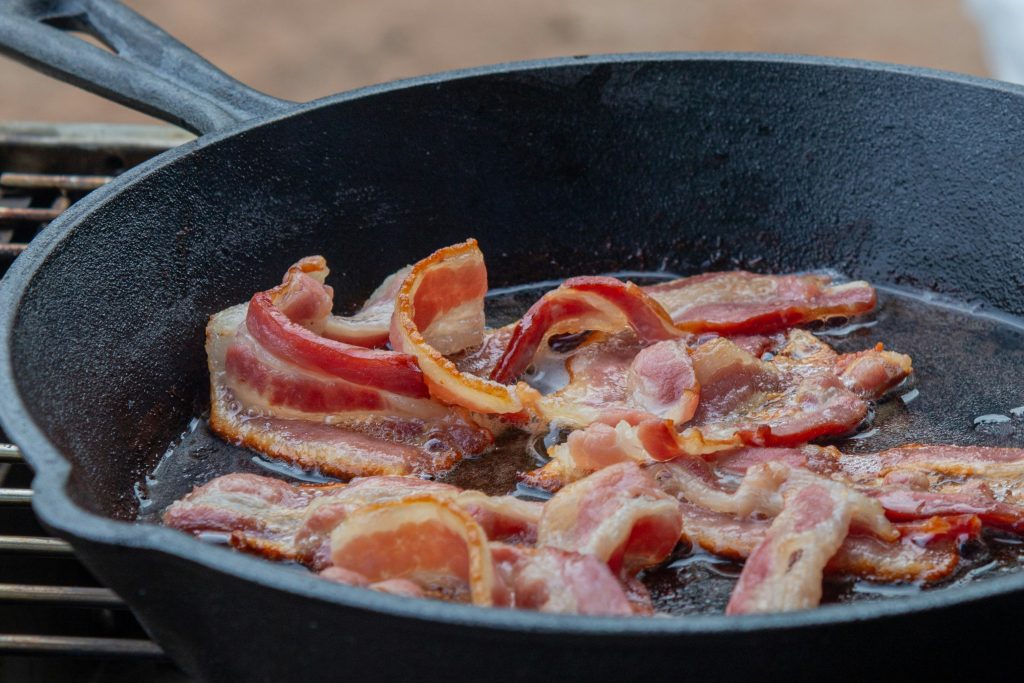
This doesn’t mean bacon is as dangerous as smoking, but it does mean there is strong evidence linking regular consumption to colorectal (bowel) cancer.
The heart-health factor
Beyond cancer risk, bacon is also high in saturated fats and cholesterol, both of which can negatively impact cardiovascular health.
Regular consumption of foods rich in saturated fats can raise LDL (‘bad’) cholesterol levels, which in turn contributes to the build-up of plaque in the arteries. Over time, this increases the risk of heart disease, stroke, and other cardiovascular complications.
A typical two-rashers serving of fried bacon contains around 8 to 10 grams of fat, nearly half of which is saturated.
Combined with its high sodium content, bacon can contribute to high blood pressure and further strain on the cardiovascular system, especially if eaten frequently or as part of a diet already heavy in processed foods.
How much is too much?
According to the WHO and other major health bodies, eating 50 grams of processed meat per day (about two rashers of bacon) increases the risk of colorectal cancer by around 18%.
That doesn’t mean a bacon sandwich here and there will cause cancer, but eating it daily or several times a week could gradually increase your long-term risk – not only of cancer, but also of cardiovascular disease.
As I often tell my patients, risk is cumulative, and depends on your overall diet and lifestyle.
A person who eats plenty of vegetables, fibre and whole foods will offset some of that risk compared to someone whose diet is heavy in red and processed meats.
Healthier choices and alternatives
If you love bacon, there’s no need to banish it forever. Instead, think moderation and smarter choices:
- Limit it to occasional treats, once or twice a month rather than several times a week.
- Avoid charring or overcooking, burnt or crispy edges produce more harmful compounds.
- Try nitrate-free or reduced-salt versions, while not risk-free, they contain fewer additives.
- Choose leaner cuts and drain excess fat, reducing total saturated fat intake helps your heart.
Consider plant-based alternatives, as products made from tempeh, tofu or mushrooms can replicate the flavour and crunch without the carcinogenic or cholesterol load.
Cancer and heart disease risk aren’t determined by one food alone. It’s the overall pattern of your diet that matters most. A balanced Mediterranean-style diet that is rich in vegetables, olive oil, legumes, nuts and fish has been consistently shown to reduce the risk of cancer, heart disease and premature death.
So, if bacon brings you joy, enjoy it in small amounts, surrounded by healthier foods and habits. It’s not about perfection, it’s about balance.