
Supermarket bosses have sounded the alarm over a worrying uptick in shoplifting and robberies by organised criminal networks.
Such theft in Malaga has become a professional operation, far removed from the old days of petty or desperate shoplifting.
According to Malaga Hoy, local chains have seen a sharp rise in thefts carried out by coordinated groups, many of which operate across several stores and towns.
‘The biggest problem we have now are organised gangs,’ said Sergio Cuberos, founder and managing director of Maskom Supermercados.
‘They know what to steal, how to get out unnoticed and where to sell it afterwards.’
Cuberos explained that behind these thefts is a parallel black market where stolen goods are sold at half price – sometimes door to door, or even at street markets.
‘There are people who buy stolen salmon, Iberico ham, cosmetics or cheese without realising, or without caring, where it came from,’ he said.
These thieves usually work in pairs or small teams, arriving on electric scooters or motorbikes, and targeting peak shopping hours when stores are busiest.

‘They hide valuable, flat products and leave quickly. It’s all calculated,’ added Cuberos.
Among the items most frequently stolen are cold meats, chocolate, deodorants, olive oil, cheese and cleaning products, all small but high-value goods that are easy to conceal.
‘Chocolate has become almost off-limits,’ Cuberos admitted. ‘It’s valuable, easy to hide, and resells well.’
Alcohol, once the top target, is now less appealing thanks to magnetic caps, bottle seals and door alarms.
‘Now when an alarm sounds, it gives them away,’ said Cuberos. ‘They prefer things they can slip inside a jacket.’
Cuberos, who has been in the business for decades, said the modern shoplifter is not driven by hunger.
‘Nobody steals because they’re hungry anymore,’ he stressed. ‘The so-called “theft of necessity” barely exists. They do it because there’s a market waiting to buy what they take.’
Since the 2014 change in Spanish law, thefts under €400 are classed as minor offences, but this has not reduced crime. Instead, it has made thieves more specialised and systematic.
Each individual theft may seem small, but the cumulative losses are huge. Industry figures suggest so-called ‘unknown losses’ – the difference between actual and recorded stock – account for between 1% and 2% of total supermarket turnover.
To combat the problem, supermarkets are investing heavily in surveillance and deterrence, from multiple CCTV cameras and entry gates to magnetic labels and locked displays. Yet the costs are steep.
‘If you don’t protect yourself, you’re the first to be hit,’ Cuberos warned.
Hiring private security is often unviable due to cost. ‘You can’t have a guard just for petty thefts. The business wouldn’t survive,’ he added.
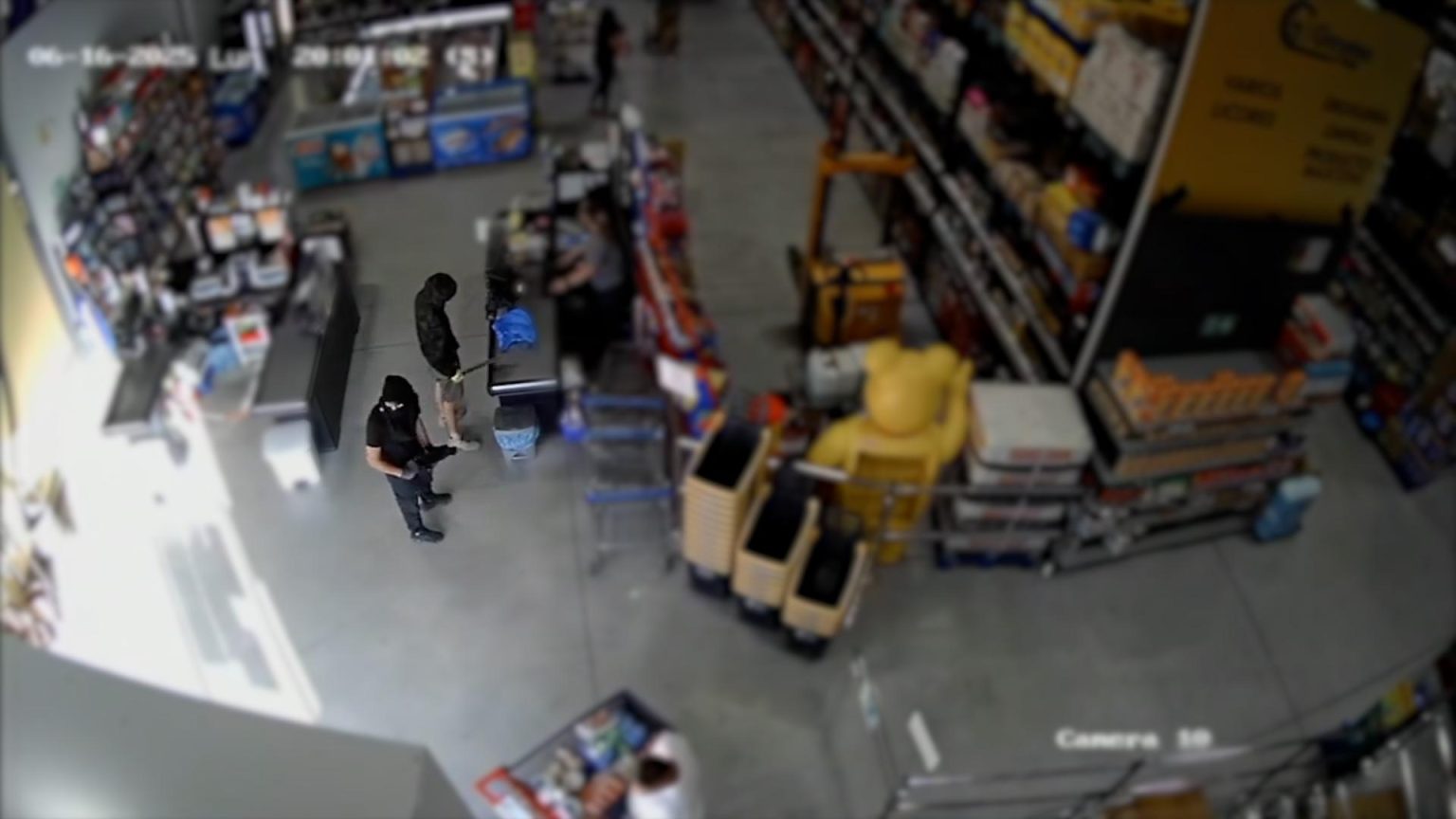
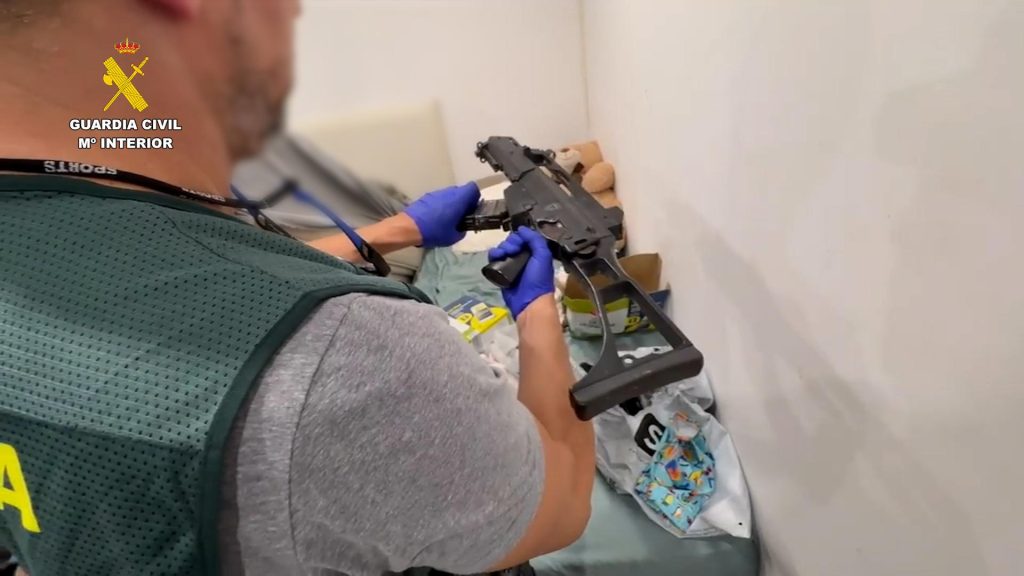
In one recent case this summer, the Guardia Civil dismantled a violent gang that used machetes and fake assault rifles to rob supermarkets in Malaga province.
Dubbed Operacion Guamparas, the investigation led to the arrest of three suspects accused of multiple armed robberies.
Police said the group had surveyed and timed their targets carefully, often striking near closing hours to grab daily takings before fleeing on scooters. All three are now in pre-trial detention.
Read more Costa del Crime news at the Spanish Eye.