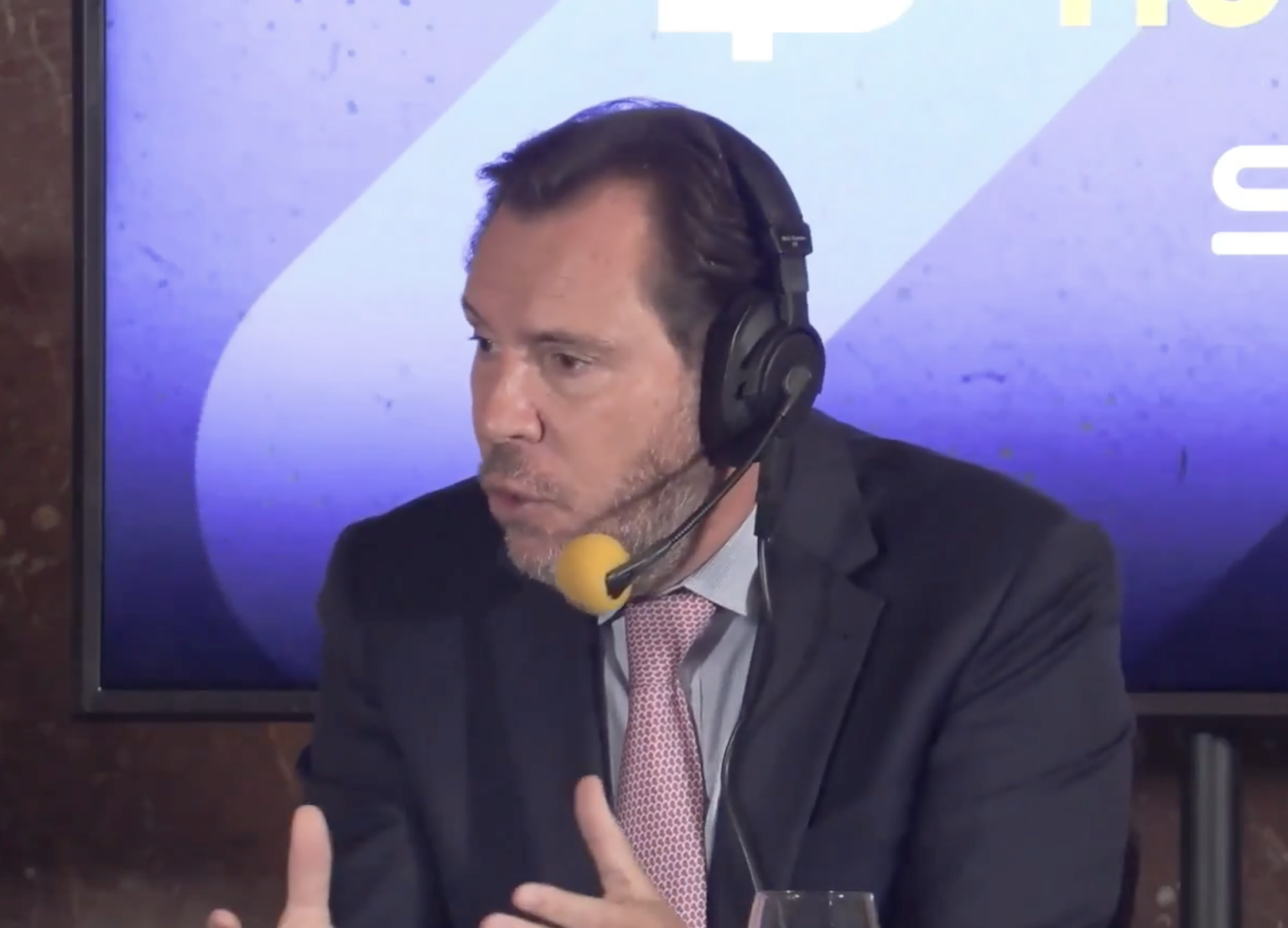

The Spanish government does not have the ‘necessary tools’ to solve the country’s housing crisis in the short term, the transport minister has admitted.
Oscar Puente also conceded that the coalition government was not ‘sufficiently forward-looking’ during the previous legislature, when it had a larger parliamentary majority and greater scope to introduce significant reforms.
‘The government’s attention was perhaps not focused there,’ Puente told Cadena SER on Friday.
He said the housing emergency had revealed itself ‘in all its harshness’ during Sanchez’s second term, particularly over the past two or three years.
Government blames lack of political support
Puente argued that the government now lacks the regulatory tools required to tackle the crisis, particularly when Parliament is unwilling to support its proposals.
He also blamed PP-controlled regional governments and councils for refusing to implement key elements of Spain’s Housing Law.
‘Against Parliament, against the Partido Popular’s autonomous communities and against the councils, little or nothing can be done in regulatory matters,’ he said.
Puente claimed the rejection of the government’s two emergency housing decrees justified Sanchez’s decision to call a snap general election for November 29.
He said voters must now choose between two competing models: one that treats housing as a genuine right and another that allows homes to remain assets for speculation and private enrichment.
The decrees were defeated after the PP, Vox and Junts voted against them in Congress, depriving the government of the parliamentary support needed for their approval.
Building and regulating
According to Puente, Spain must address its housing shortage through two principal approaches.
The first is expanding the country’s limited public housing stock.
The government has proposed measures including the creation of the Casa 47 public housing company and the construction of homes on land belonging to the Ministry of Defence.
The second approach involves regulating the private market to cap or reduce prices.
However, Puente admitted that the central government currently has ‘very limited’ power in this area because many housing responsibilities belong to regional and municipal authorities.
‘When Parliament rejects the government’s solutions, the democratically reasonable response is to give citizens their voice at the ballot box,’ he said.
Maricarmen’s death a ‘turning point’
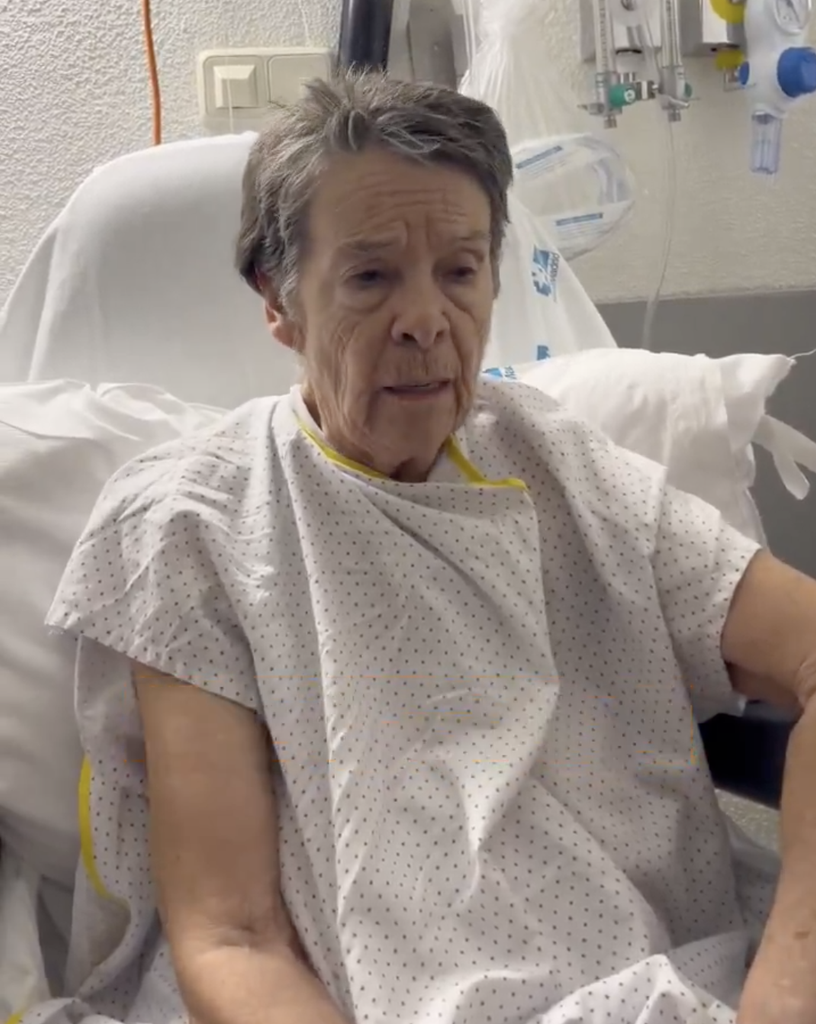
Puente also addressed the death of Maricarmen Abascal, the 87-year-old Madrid tenant whose eviction prompted demonstrations and protest camps across Spain.
She died in hospital this week after being admitted on the day she was removed from her rented home.
An agreement had subsequently been reached that would have allowed her to return to the property following her discharge.
Puente described the case as both a ‘turning point’ and a ‘trigger’ that should force authorities to intensify the mechanisms available to protect vulnerable tenants.