
The Partido Popular and Vox remain on course to secure a commanding majority in the snap general election in Spain, a new poll has suggested.
The October DYM Polibarometro projects that the two right-wing parties would win between 200 and 208 seats in the 350-member Congress of Deputies.
Only 176 MPs are required for an absolute majority.
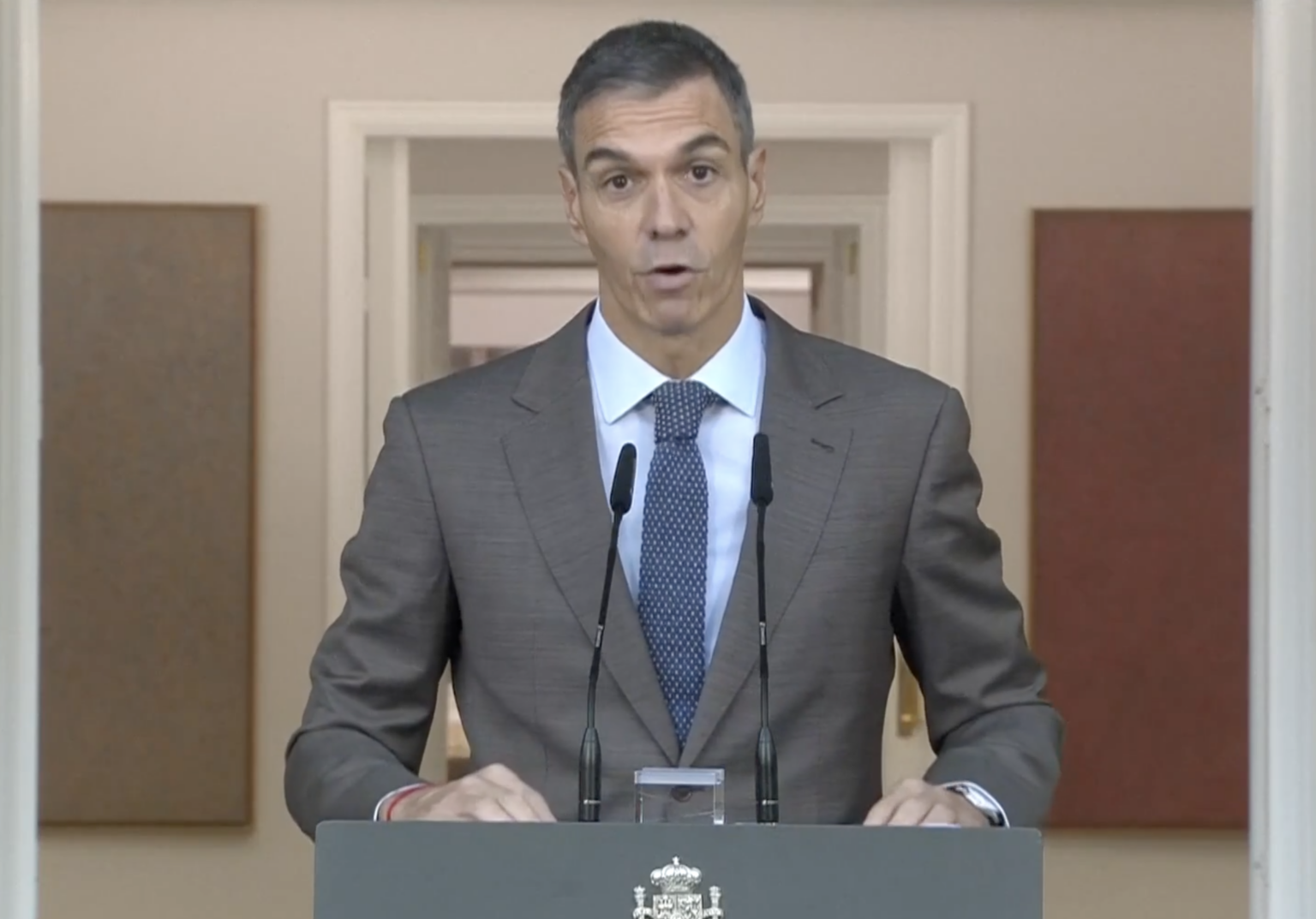
The survey suggests that the political fallout from the housing crisis and Pedro Sanchez’s decision to call an election have improved support for the PSOE, but not enough to threaten the dominance of the right-wing bloc.
DYM surveyed 1,011 people online between October 5 and 7, immediately after Sanchez called the election for November 29.
The research was completed before the death of Maricarmen Abascal, the 87-year-old woman whose eviction triggered widespread protests, occupations and calls for a general strike.
Vox reaches record high
Support for the PP slipped by 0.7 percentage points, falling from 34.7% in September to 34%.
However, that decline was offset by another rise for Vox, which climbed from 17.3% to a record 18.2%.
The hard-right party has experienced sustained growth since the spring, with concerns surrounding immigration and the recent mass arrivals in Ceuta expected to play an important role in the campaign.
Even at the lower end of DYM’s projection, the PP and Vox would have a majority 24 seats above the threshold required to govern.

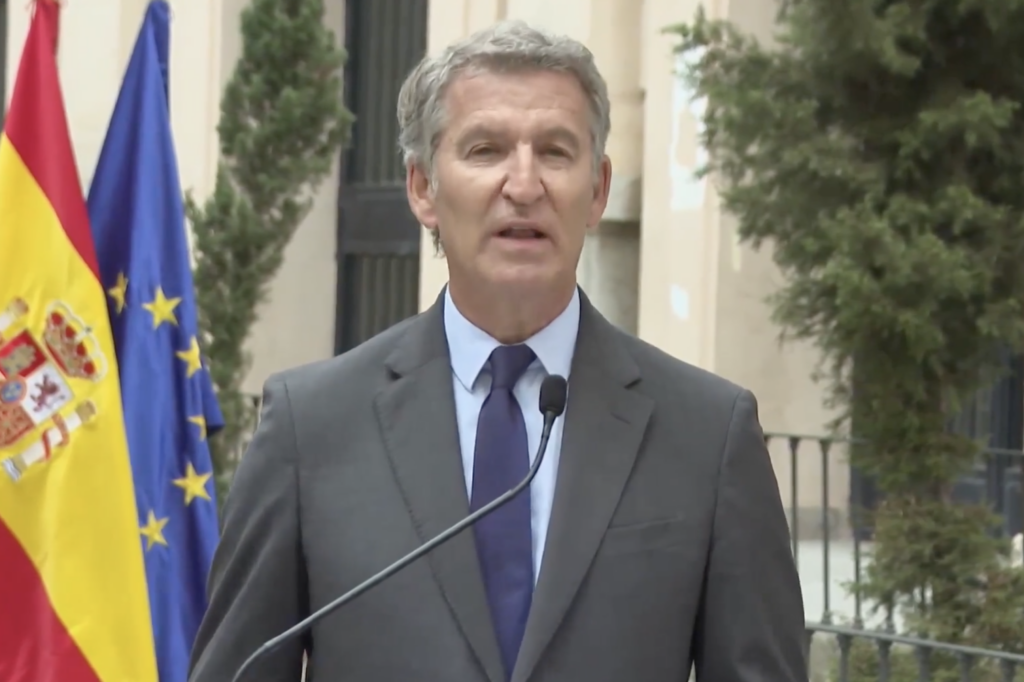
The result would leave Alberto Nuñez Feijoo in a strong position to become prime minister, although he would almost certainly require the support of Santiago Abascal.
PSOE receives housing boost
The PSOE recorded the joint-largest movement in the poll, rising from 26.3% to 28.2%.
Housing demonstrations and the controversy surrounding the rejection of the government’s two housing decrees appear to have helped Sanchez recover some ground.
However, that improvement has not extended to the parties on the PSOE’s left.
Support for the emerging Frente Amplio alliance dropped from 4.5% to 3.6%, leaving the progressive bloc without a realistic route to a parliamentary majority under the current projections.
The poll also found that Sanchez’s personal rating had increased from three to 3.5 out of 10.
That put him slightly ahead of Feijoo, whose score rose from 3.2 to 3.3.
Abascal increased from 2.9 to three, while outgoing Sumar leader Yolanda Diaz rose from three to 3.3. Diaz is not expected to lead the new Frente Amplio alliance into the election.
Government approval improves
Public perceptions of the government also improved following the housing crisis.
The cabinet’s rating rose from 3.7 to four out of 10, reversing the downward trend recorded in previous surveys.
A total of 35.3% of respondents viewed the government’s management positively, compared with 36% who rated it negatively, representing a statistical tie.
Nevertheless, voters remained far more likely to expect Feijoo to form the next government.
Some 47.4% believed a coalition led by the PP leader was the most likely outcome, while only 26.4% expected Sanchez to assemble another governing majority.
The campaign still has around seven weeks to run, but the poll indicates that Sanchez will need substantially more than a modest PSOE recovery to prevent a PP-Vox government taking office.