
Malaga recorded Spain’s second-highest number of assets confiscated from drug traffickers last year, surpassed only by Cadiz.
A total of 155 assets were added to the province’s confiscated-property inventory in 2025, new figures show.
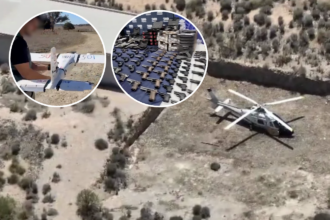
The haul included 71 vehicles, nine boats, six properties and six pieces of jewellery, according to the latest annual report on Spain’s Fund for Confiscated Assets.
Seizures rise by almost 35%
The number of confiscated assets recorded in Malaga has risen sharply over the past two years.
There were 115 in 2023, followed by 147 in 2024, an increase of 27.8%. The figure then rose by another 5.4% to 155 in 2025.
Taken together, that represents an increase of almost 35% in just two years.
Assets do not automatically become state property when police seize them during an investigation.
They normally enter the fund only after a final court ruling confirms their confiscation. Cars, boats, homes, jewellery and other valuables must then be examined, valued and classified before they can be sold.

Luxury goods may also have to be authenticated to establish whether they are genuine or counterfeit.
It means many more items were seized over the two-year period but have yet to be added to the official fund.
State raises €5.25m
Across Spain, the state raised €5.25million from the sale of confiscated assets during 2025.
Properties generated the largest share, bringing in €3.41million. Vehicles raised a further €1.52million, while boats generated €269,081 and other objects €53,605.
The money is channelled back into programmes aimed at preventing drug use, treating addiction and supporting police, customs officers, prosecutors and other agencies involved in fighting the illegal drugs trade.
The figures come as European security services increasingly focus on the economic power of criminal networks operating around the Costa del Sol.
International groups, including organisations connected to the so-called Mocro Maffia, have been linked to drug trafficking, money laundering and violent disputes across southern Spain.
Freezing bank accounts and confiscating property can therefore be as important as intercepting the drugs themselves, depriving criminal groups of the profits used to finance further operations.