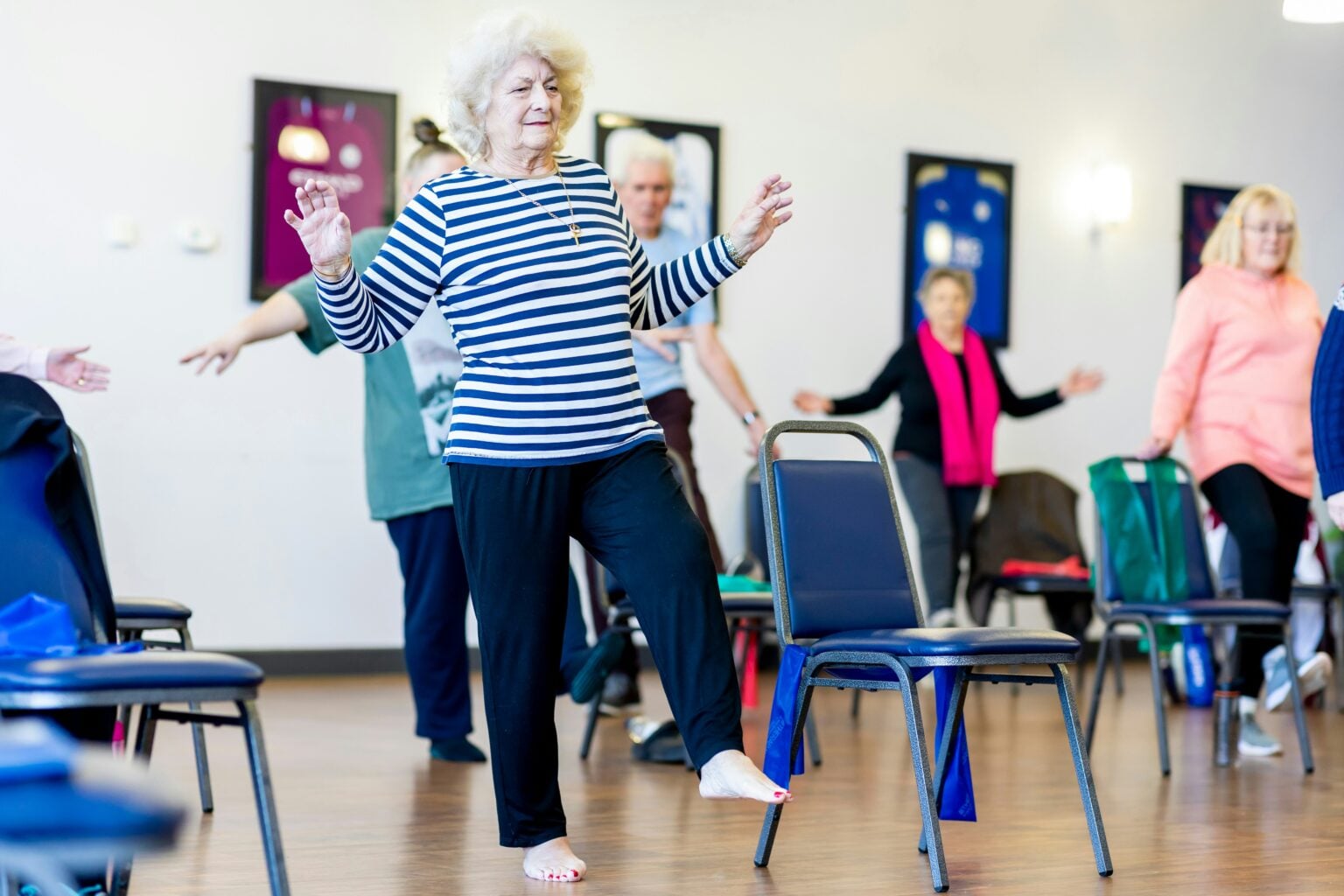

Andalucia will relaunch a health screening programme for people aged over 65 in 2027 as authorities prepare for a sharp rise in the region’s elderly population.
More than 1.7 million people aged 65 or over currently live in Andalucia, representing approximately 20% of its population of more than 8.7 million, according to the regional government.
That proportion is expected to increase considerably over the coming years.
Projections from the Institute of Statistics and Cartography of Andalucia suggest over-65s could account for around 28% of the region’s population by 2040. People aged 80 and above are expected to represent more than 8%.
The Junta says its renewed health examination programme will assess older residents’ independence, identify early signs of frailty and detect health or care needs before they result in serious disability.
The scheme is due to be reactivated in 2027 and will operate through local health centres.
Officials want it to become the main entry point for population-wide frailty screening, with patients referred to adapted physical activity programmes and other preventive services when necessary.
Exercise to play a central role
The announcement formed part of the Junta’s message marking the United Nations’ International Day of Older Persons, held annually on October 1.
Health officials said the aim should not simply be to increase life expectancy, but to extend the number of years people can live independently and without requiring substantial care.
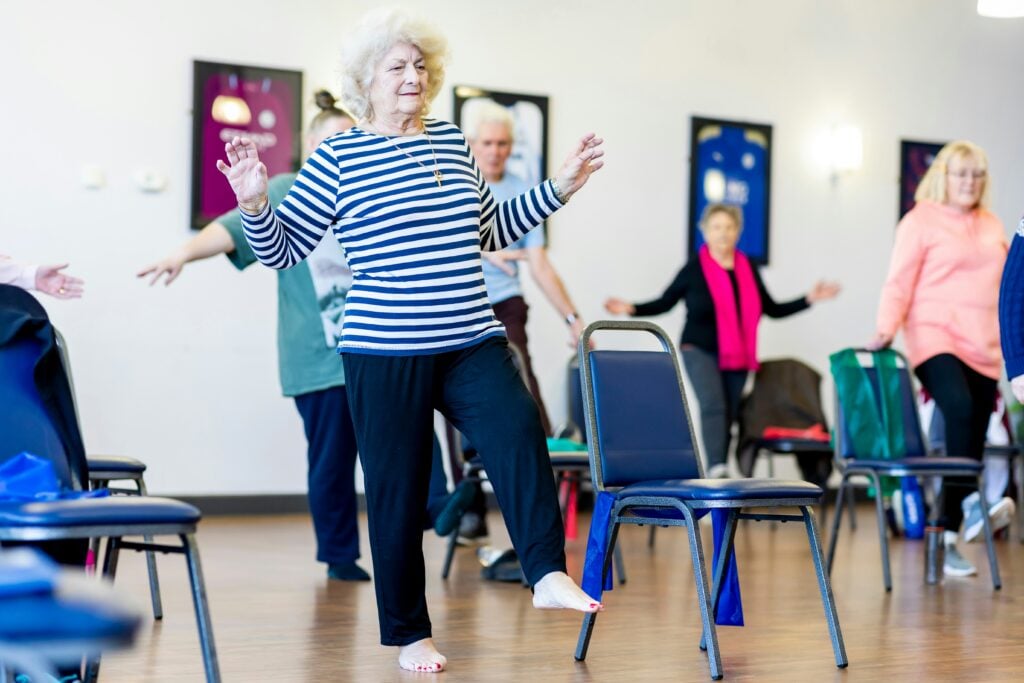
Regular physical activity is considered an important tool for maintaining mobility and functional ability as people age.
Frailty describes a gradual reduction in the body’s physical reserves that makes someone more vulnerable to illness, falls and other health problems. Although it becomes more common with age, it is not considered an unavoidable consequence of growing older.
Spain’s Ministry of Health says early detection, prevention and treatment are central to reducing the risk of falls and other adverse health outcomes among older people.
Multicomponent exercise programmes can incorporate strength, balance and walking exercises. These are intended to preserve muscle mass, improve stability and reduce the risk of falls.
Regular activity can also help people manage some chronic health conditions and may support cognitive and emotional wellbeing. Group sessions can provide the additional benefit of reducing social isolation.
The appropriate type and intensity will depend on the person’s health, mobility and existing medical conditions.
Exercise referrals through health centres
The Junta’s existing Physical Exercise Prescription Plan, known as PAPEF, is designed to link Andalucia’s public healthcare system with qualified professionals working in local Active Physical Exercise Units.
A healthcare professional can assess an inactive patient and, where appropriate, refer them to a supervised programme suited to their needs.
The regional plan, which runs until 2030, aims to establish a common system for recommending, prescribing and monitoring exercise across Andalucia.
It operates alongside the Healthy Living Promotion Strategy for Andalucia 2024-2030, which covers physical activity, nutrition, sleep, emotional wellbeing and other areas of health.
Older residents and their families are being encouraged to ask their health centre about suitable exercise and the programmes available locally.
Anyone who has been inactive for a long period or has a chronic condition, mobility difficulties or a history of falls should seek professional advice before beginning a demanding new exercise routine.