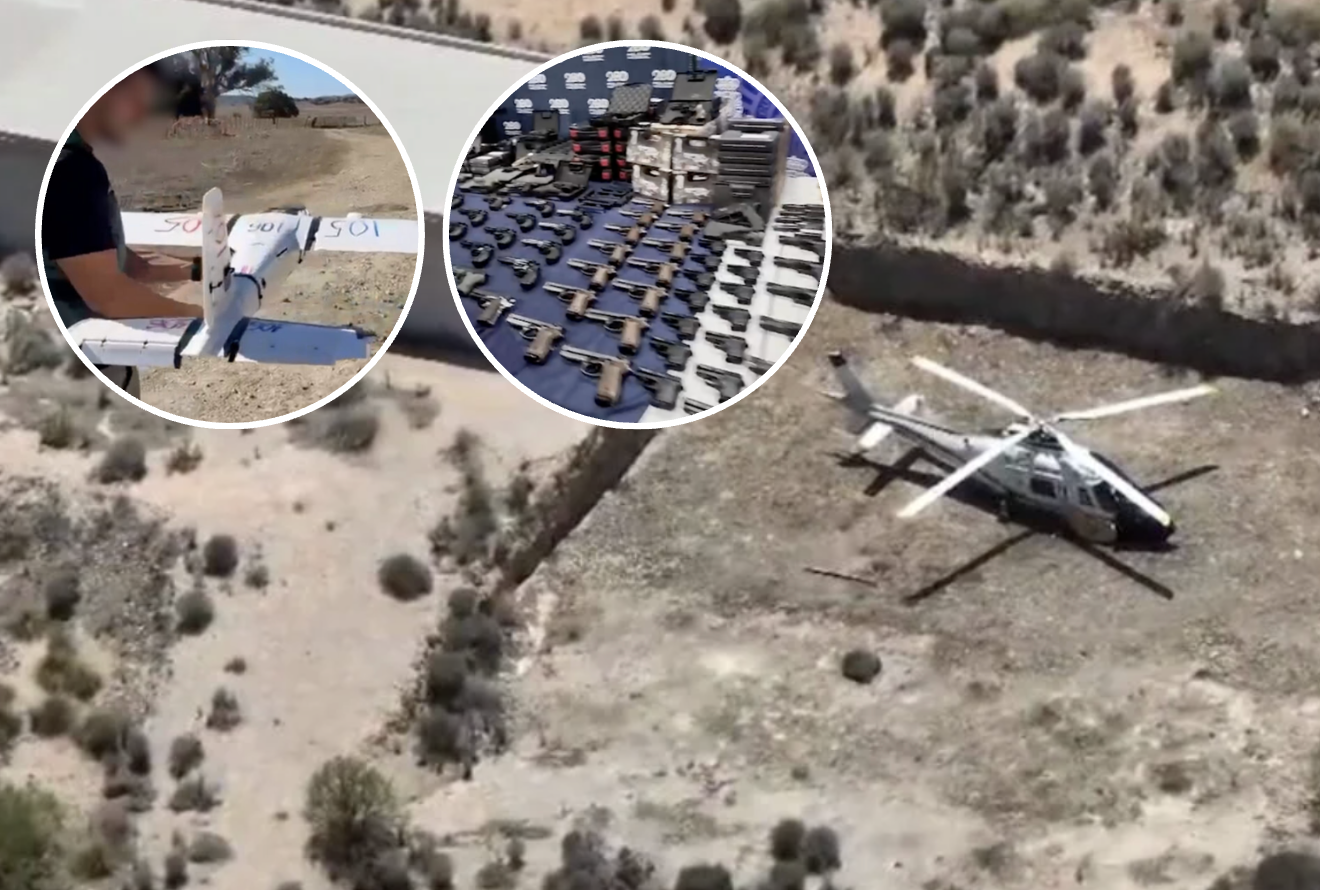

Drug-trafficking gangs in Andalucia are becoming increasingly violent and ‘militarised’, prosecutors have warned.
An Andalucian Public Prosecutor’s Office report says organisations are increasingly using assault rifles, encrypted communications, helicopters, drones and even recruits with experience in recent war zones.
The sobering document describes the region as a crucial hub in Europe’s drug-trafficking network.
It warned of a complete criminal ecosystem encompassing cannabis production, cocaine and hashish imports, fuel networks supplying high-speed narco boats, inland storage facilities and sophisticated international money-laundering operations.
‘The phenomenon has gained density, sophistication and violence,’ the report said.
Assault rifles and military technology
Prosecutors warned that weapons of war, including AK-47-style assault rifles and submachine guns, are no longer exceptional.
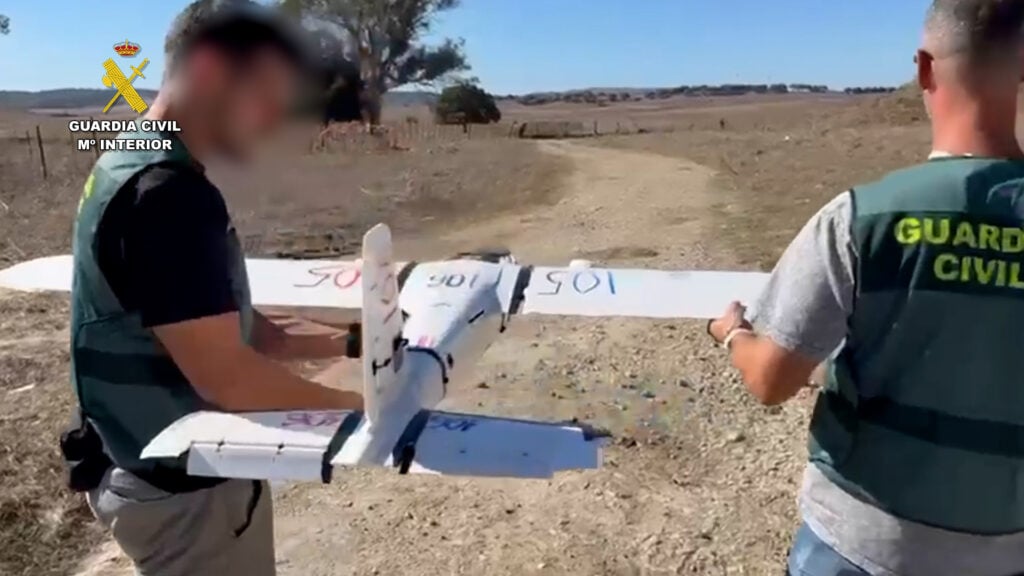
Criminal groups have also acquired night-vision equipment, surveillance cameras, helicopters, drones, signal jammers and secure encrypted communications.
Some gangs reportedly include individuals with experience in recent armed conflicts.

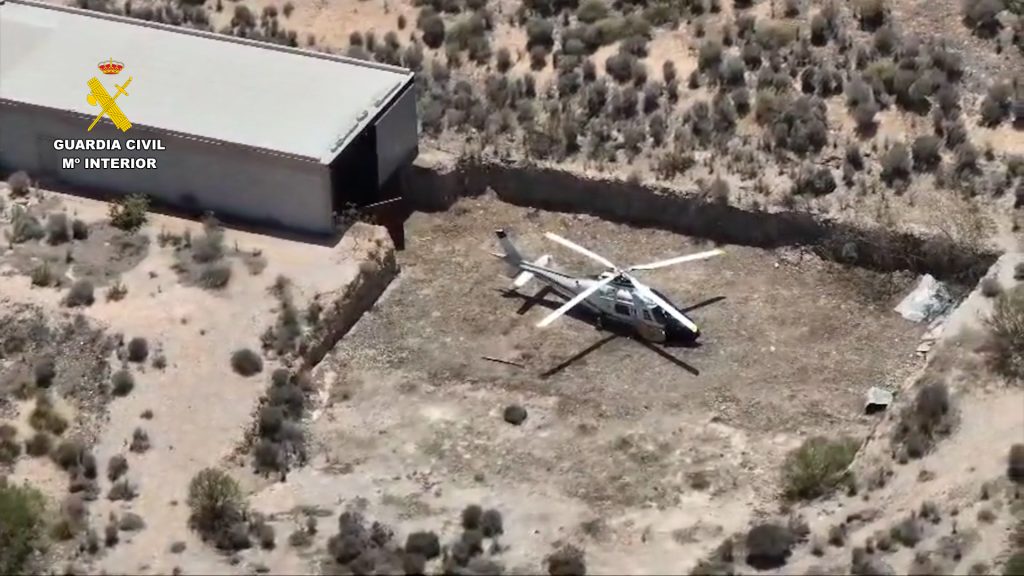
The report said violent score-settling, robberies between rival gangs and high-speed escapes ending in crashes and casualties continued throughout 2025.
Specialist groups known as vuelcos also remain active, targeting other criminal organisations to steal their drug shipments.
Andalucia has consequently established itself as a meeting point for international trafficking networks, prosecutors said.
Cocaine seizures measured in tonnes
The growing cocaine trade represented the most significant shift during the year.
Authorities intercepted shipments of up to 13 tonnes concealed inside containers at Algeciras port, while a separate operation in Sanlucar de Barrameda recovered 415kg.
Sevilla and the Guadalquivir River have become a major route for transporting huge quantities of cocaine inland.
Two separate operations led to seizures of 6.5 tonnes and 2.88 tonnes respectively.
Prosecutors warned that rival organisations have intensified their use of violence to secure control of the river and its banks, forcing authorities to deploy additional naval and aerial resources.
Almeria has also emerged as a new arrival and storage point, changing the traditional geography of cocaine trafficking in the region.
Hashish corridor
Cadiz and Huelva remain the backbone of the Atlantic hashish corridor, with Malaga and Almeria also playing a significant role.
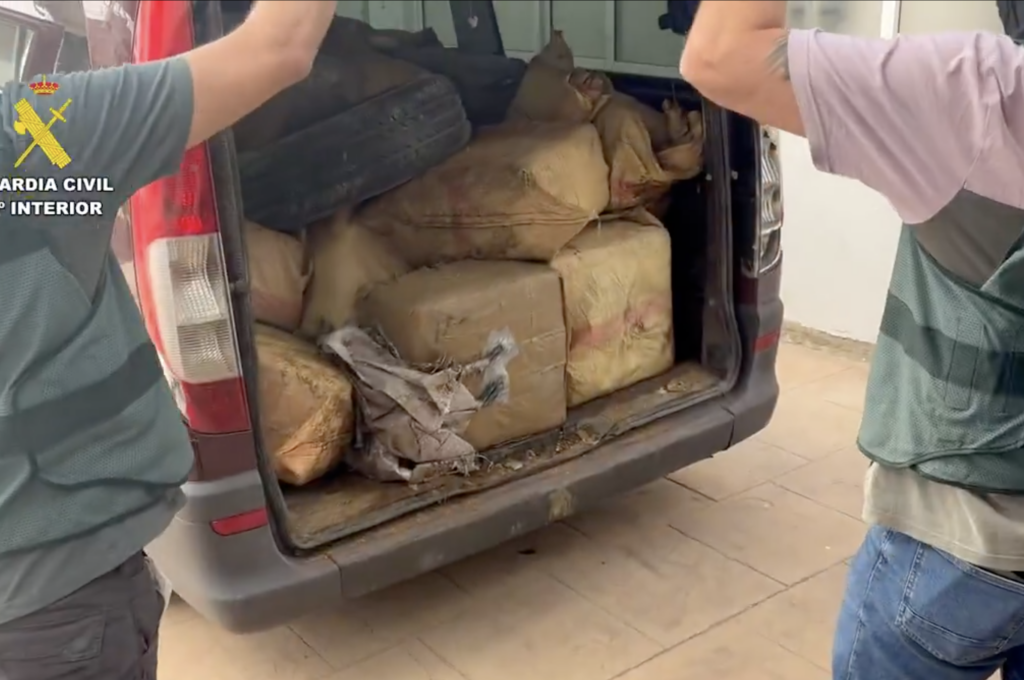
Traffickers are increasingly using hidden compartments in heavy goods vehicles arriving from Morocco.
Authorities discovered loads of 23 tonnes and 15 tonnes in separate lorries at Algeciras port, while another vehicle intercepted in Almeria was carrying 13.7 tonnes.
In Ceuta, criminal networks have adopted methods including the excavation of tunnels near the Moroccan border.
High-speed boats continue to unload drugs around the Guadalquivir estuary and the coast of Barbate.
The vessels being used are becoming larger and capable of remaining at sea for longer, making it harder for police to intercept them or arrest their crews.
Narco-fuel networks
Prosecutors described petaqueo – the storage and supply of fuel for narco boats – as the ‘keystone’ of the maritime trafficking infrastructure.
Specialist organisations are now believed to operate almost exclusively within this sector.
They reportedly control underground fuel tanks holding tens of thousands of litres, tanker lorries and containers capable of storing more than 1,000 litres each.
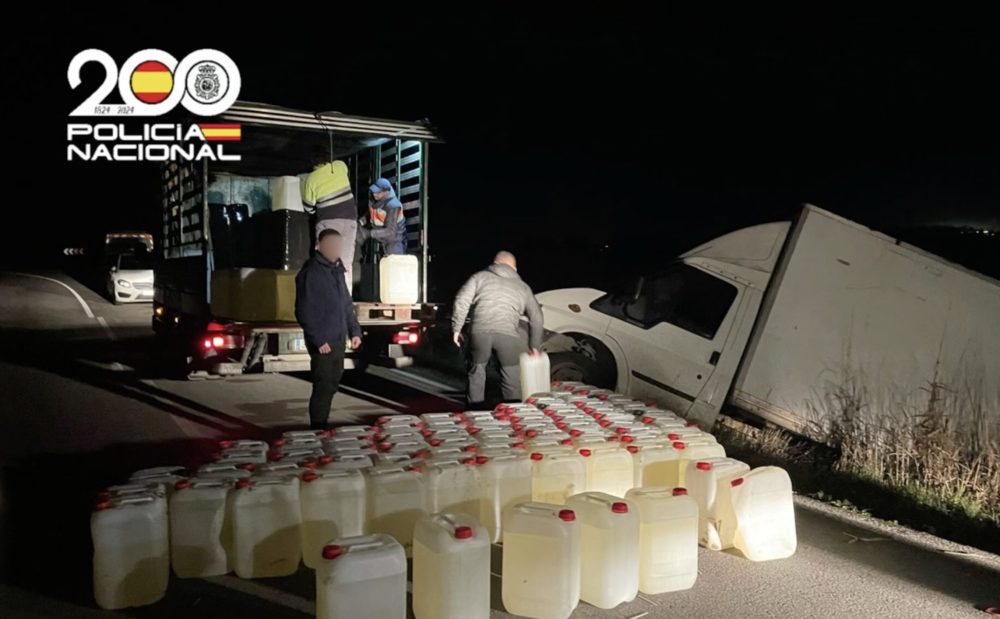
Their supply chains can refuel several high-speed boats every day.
Prosecutors warned that the enormous profits generated by each operation had weakened the deterrent effect of isolated police interventions.
The fuel networks also create a serious danger for residents.
Petrol is being stored in garages beneath apartment buildings and transported without adequate safety precautions, often during nocturnal operations close to populated areas.
‘These are scenarios for an explosion that we cannot normalise,’ the report warned.
Prosecutors want courts to be able to remove the driving licences of people convicted of transporting fuel for narco boats.
They also called for stronger links between drug-trafficking prosecutions and environmental offences, particularly when operations damage protected areas.
Prosecutors demand reinforcements in Marbella and Almeria
The report warned that specialist anti-drug prosecutors are struggling under the growing complexity of organised-crime investigations.
In both Marbella and Almeria, the designated anti-drug prosecutor works without additional prosecutorial support or a specialised section.
Cases often involve large numbers of suspects, prolonged restrictions on individual rights and numerous separate proceedings covering drug trafficking, contraband, weapons and money laundering.
The prosecutors must also coordinate constantly with police, oversee the work of colleagues and attend complex trials.
The Public Prosecutor’s Office said at least one additional prosecutor was required in each jurisdiction.